
El libro Interchange - Principiante - Unidad 16
Aquí encontrarás el vocabulario de la Unidad 16 del libro de curso Interchange Beginner, como "reunión", "cuidar niños", "popular", etc.
Revisión
Tarjetas de memoria
formas
Ortografía
Cuestionario
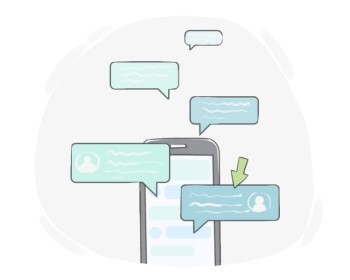
a written or spoken piece of information or communication sent to or left for another person

mensaje

using imagination and original ideas to create or develop something
creativo

an event in which people meet, either in person or online, to talk about something
reunión, junta
used to show a particular place or position
a

used to show that something exists or happens inside a space or area
en


(second-person pronoun) used for referring to the one or the people we are writing or talking to
tú, vosotros

(subjective third-person singular pronoun) used when referring to a male human or animal that was already mentioned or one that is easy to identify
él
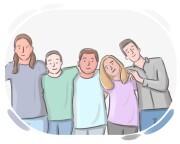
(subjective first-person plural pronoun) used by a speaker when they want to talk or write about themselves and at least one other person
nosotros

(subjective third-person plural pronoun) used when referring to the things or people that were already mentioned
ellos/ellas

(objective first-person singular pronoun) used by the speaker to refer to themselves when they are the object of a sentence
me
Por favor, pásame la sal.
(second-person pronoun) used for referring to the one or the people we are writing or talking to
tú, vosotros
(objective third-person singular pronoun) used when referring to a male human or animal as the object of a sentence
él, lo
Lo vi en el parque ayer.

(objective third-person singular pronoun) used when referring to a female human or animal that is the object of a sentence
la, ella
El gato la arañó cuando intentó levantarlo.
(objective first-person plural pronoun) used by the speaker to refer to themselves and at least one other person when they are the object of a sentence
nosotros
El profesor nos asignó el proyecto.
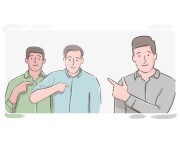
(objective third-person plural pronoun) used when referring to the aforementioned things or people that are the object of a sentence
ellos, ellas
El profesor repartió hojas de trabajo y les pidió que las completaran.
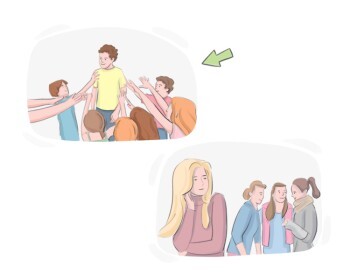
receiving a lot of love and attention from many people
popular
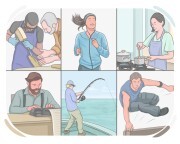
something that a person spends time doing, particularly to accomplish a certain purpose
actividad
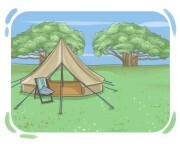
the activity of living outdoors in a tent, camper, etc. on a vacation
campamento, camping
Me encanta la paz y la tranquilidad que viene con el camping.
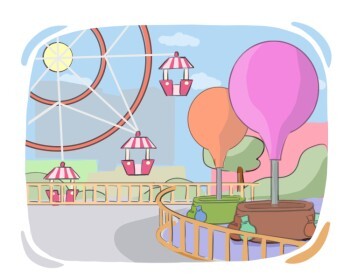
a large place where people go and pay to have fun and enjoy games, rides, or other activities
parque de atracciones
Ella ganó un animal de peluche en uno de los juegos del carnaval en el parque de atracciones.

an event held outdoors on a street or in a public place where people can enjoy food, entertainment, and other activities
feria callejera, fiesta de la calle
La feria callejera presentó música en vivo, camiones de comida y juegos.
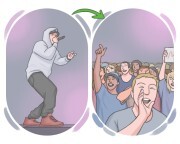
a public performance of music by singers or instrumentalists
concierto
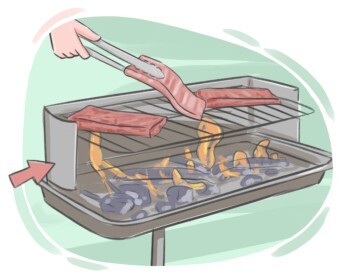
an outdoor party during which food, such as meat, fish, etc. is cooked on a metal frame over an open fire
barbacoa, asado
El barbacoa comienza a las 3 pm, no olvides traer tu apetito.
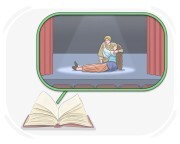
a written story that is meant to be performed on a stage, radio, or television
teatro
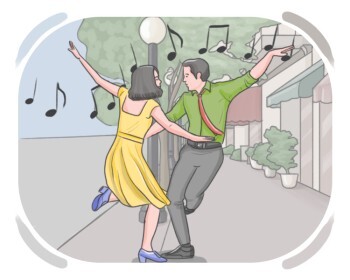
any theatrical performance that combines singing, dancing, and acting to tell a story
musical
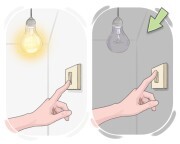
to cause a machine, device, or system to stop working or flowing, usually by pressing a button or turning a switch
apagar un aparato o cortar un flujo, apagar mediante un botón o interruptor
Por favor recuerda apagar las luces antes de salir de la habitación.

to wish to do or have something
querer
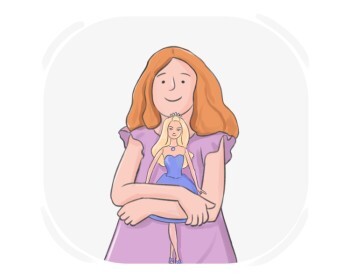
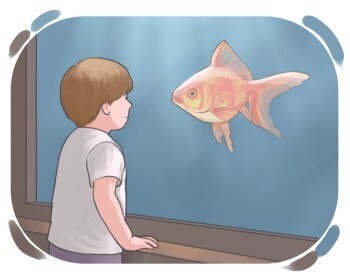
to notice a thing or person with our eyes
ver
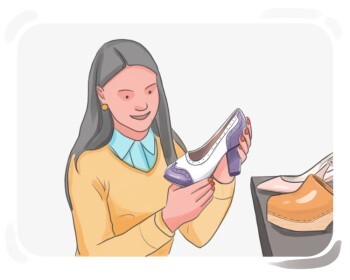
to feel that someone or something is good, enjoyable, or interesting
gustar
used to indicate a habitual tendency, preference, or desire
[vebro en condicional simple]
to move over a particular distance
ir, recorrer
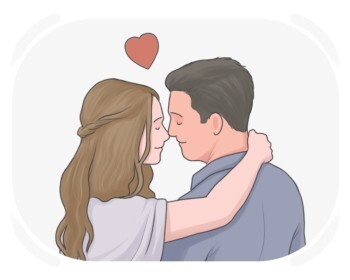
to have very strong feelings for someone or something that is important to us and we like a lot and want to take care of
querer
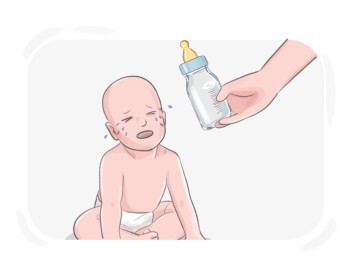
to want something or someone that we must have if we want to do or be something
necesitar
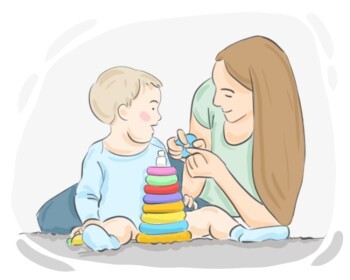
to take care of a child or children while their parents are away
cuidar niños, hacer de niñera
Él cuida a sus primos menores todos los fines de semana.
the maximum extent or quantity of something that is legally permitted or allowed by regulations or laws
límite, umbral
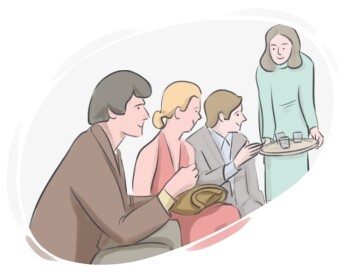
to be the organizer of an event such as a meeting, party, etc. to which people are invited
alojar
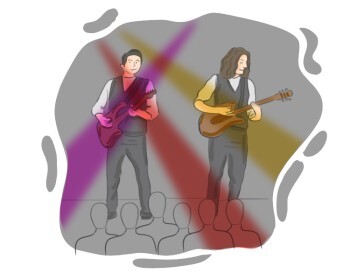
a group of musicians and singers playing popular music
banda, grupo
to discover information about something or someone by looking, asking, or investigating
descubrir
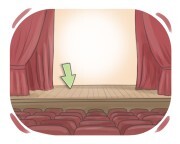
an elevated area, especially in theaters, on which artists perform for the audience
escenario
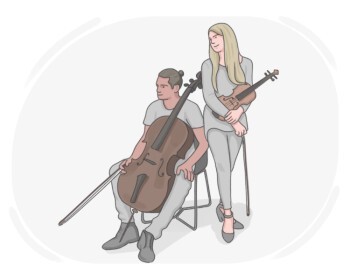
a person who plays, performs, or composes music, especially professionally
músico
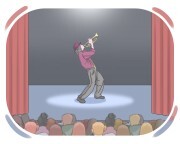
to give a performance of something such as a play or a piece of music for entertainment
representar, interpretar
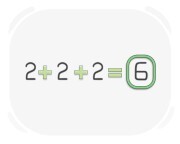
the complete amount or entirety of something
total
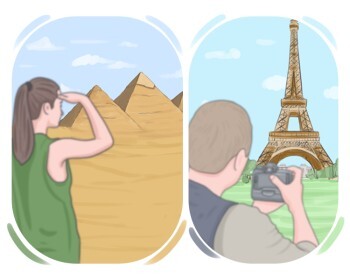
to visit places one has never seen before
explorar
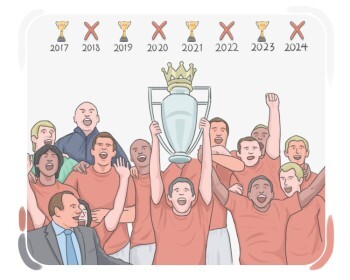
on some occasions but not always
a veces

a person's signature, usually from someone famous or important
autógrafo
El fanático recogió autógrafos de varios músicos.
referring to two things together
ambos, los dos
El comité decidió que ambas propuestas tenían mérito y deberían ser consideradas más a fondo.
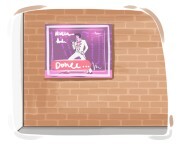
a large printed picture, notice, or advertisement displayed on a wall or other public surface
póster, cartel
to write one's name or mark on a document to indicate acceptance, approval, or endorsement of its contents
firmar
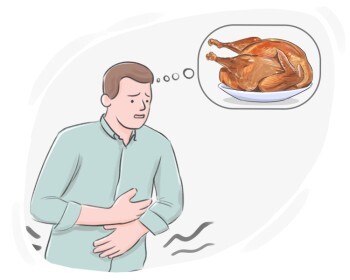
feeling a need or desire to eat food
hambriento, needing food
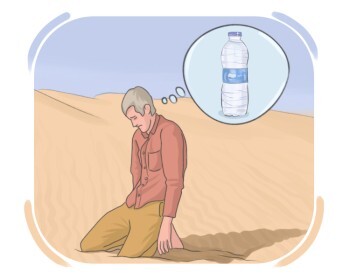
wanting or needing a drink
sediento, needing a drink
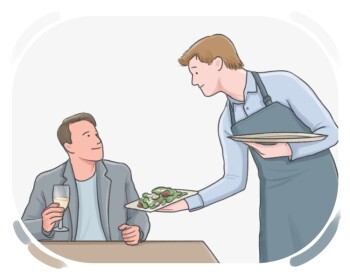
to offer something, typically food or drink, to someone
servir, ofrecer comida o bebida
Ella sirvió una selección de vinos finos con la cena.
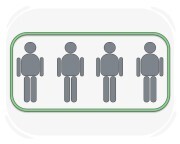
every single person in a group, community, or society, without exception
todos
En el concierto, todo el mundo se puso de pie y aplaudió a los talentosos intérpretes.

to look for and buy different things from stores or websites
hacer compras

the middle part or point of an area or object
centro
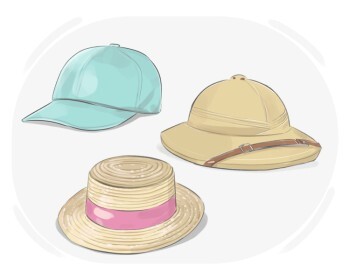
a piece of clothing often with a brim that we wear on our heads, for warmth, as a fashion item or as part of a uniform
gorro
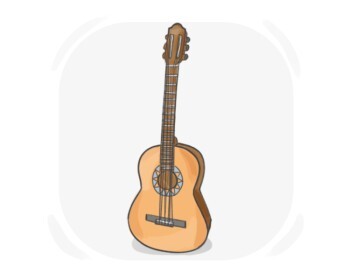
a musical instrument, usually with six strings, that we play by pulling the strings with our fingers or with a plectrum
guitarra
