pattern

Книга Interchange - Начальный - Блок 16

Здесь вы найдете словарный запас из Раздела 16 учебника Interchange Beginner, такие как "встреча", "присматривать за детьми", "популярный" и т.д.

Обзор

Флэш-карточки

формы

Правописание

Тест

Начать учиться
Interchange - Beginner
message
message
[существительное]

a written or spoken piece of information or communication sent to or left for another person

сообщение

сообщение

Ex: The email contained an important business message.

В электронном письме содержалось важное деловое сообщение.

Закрыть
Войти
creative
creative
[прилагательное]

making use of imagination or innovation in bringing something into existence

творческий

творческий

Ex: My friend is very creative, she designed and sewed her own dress for the party .

Моя подруга очень креативная, она сама разработала и сшила свое платье для вечеринки.

Закрыть
Войти
meeting
meeting
[существительное]

an event in which people meet, either in person or online, to talk about something

совещание

совещание

Ex: We have a meeting scheduled for 10 a.m. tomorrow .

У нас запланирована встреча на 10 утра завтра.

Закрыть
Войти
at
at
[предлог]

used to show a particular place or position

в,  на

в, на

Ex: The sign indicates the entrance at the museum .

Знак указывает на вход в музей.

Закрыть
Войти
in
in
[предлог]

used to show that something exists or happens inside a space or area

в

в

Ex: The cups are in the cupboard .

Чашки в шкафу.

Закрыть
Войти
on
on
[предлог]

in contact with and upheld by a surface

на

на

Ex: Books were stacked on the floor .

Книги были сложены на полу.

Закрыть
Войти
you
you
[местоимение]

(second-person pronoun) used for referring to the one or the people we are writing or talking to

ты, вы

ты, вы

Ex: You should take a break and relax .

Ты должен сделать перерыв и расслабиться.

Закрыть
Войти
he
he
[местоимение]

(subjective third-person singular pronoun) used when referring to a male human or animal that was already mentioned or one that is easy to identify

он

он

Ex: He is the one who fixed the leaky faucet in the kitchen .

Он тот, кто починил протекающий кран на кухне.

Закрыть
Войти
we
we
[местоимение]

(subjective first-person plural pronoun) used by a speaker when they want to talk or write about themselves and at least one other person

мы

мы

Ex: We need to decide on a date for the party .

Нам нужно определиться с датой вечеринки.

Закрыть
Войти
they
they
[местоимение]

(subjective third-person plural pronoun) used when referring to the things or people that were already mentioned

они

они

Ex: What time are they arriving at the airport ?

Во сколько они приезжают в аэропорт?

Закрыть
Войти
me
me
[местоимение]

(objective first-person singular pronoun) used by the speaker to refer to themselves when they are the object of a sentence

мне, меня

мне, меня

Ex: My friend took a photo of my family and me at the park .

Мой друг сделал фото моей семьи и меня в парке.

Закрыть
Войти
you
you
[местоимение]

(second-person pronoun) used for referring to the one or the people we are writing or talking to

ты, вы

ты, вы

Ex: You should take a break and relax .

Ты должен сделать перерыв и расслабиться.

Закрыть
Войти
him
him
[местоимение]

(objective third-person singular pronoun) used when referring to a male human or animal as the object of a sentence

его, ему

его, ему

Ex: The dog followed him everywhere he went.

Собака следовала за ним везде, куда бы он ни пошел.

Закрыть
Войти
her
her
[местоимение]

(objective third-person singular pronoun) used when referring to a female human or animal that is the object of a sentence

ее, ей

ее, ей

Ex: They presented her with a bouquet of flowers.

Ей подарили букет цветов.

Закрыть
Войти
us
us
[местоимение]

(objective first-person plural pronoun) used by the speaker to refer to themselves and at least one other person when they are the object of a sentence

нас, нам

нас, нам

Ex: The tour guide showed us around the museum.

Экскурсовод показал нам музей.

Закрыть
Войти
them
them
[местоимение]

(objective third-person plural pronoun) used when referring to the aforementioned things or people that are the object of a sentence

им, их

им, их

Ex: The librarian showed them where to find the books and how to check them out.

Библиотекарь показал им, где найти книги и как их взять.

Закрыть
Войти
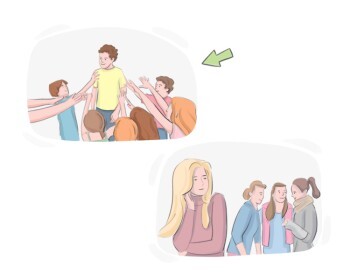
popular
popular
[прилагательное]

receiving a lot of love and attention from many people

популярный

популярный

Ex: His songs are popular because they are easy to dance to .

Его песни популярны, потому что под них легко танцевать.

Закрыть
Войти
activity
activity
[существительное]

something that a person spends time doing, particularly to accomplish a certain purpose

деятельность

деятельность

Ex: Solving puzzles and brain teasers can be a challenging but stimulating activity.

Решение головоломок и загадок может быть сложной, но стимулирующей деятельностью.

Закрыть
Войти
camping
camping
[существительное]

the activity of ‌living outdoors in a tent, camper, etc. on a vacation

лагерь

лагерь

Ex: We are planning a camping trip for the weekend .

Мы планируем поездку в кемпинг на выходные.

Закрыть
Войти
amusement park
amusement park
[существительное]

a large place where people go and pay to have fun and enjoy games, rides, or other activities

парк развлечений

парк развлечений

Ex: He celebrated his birthday with friends at the amusement park, riding the bumper cars and playing mini-golf .

Он отметил свой день рождения с друзьями в парке развлечений, катаясь на автодроме и играя в мини-гольф.

Закрыть
Войти
street fair
street fair
[существительное]

an event held outdoors on a street or in a public place where people can enjoy food, entertainment, and other activities

уличная ярмарка

уличная ярмарка

Ex: A variety of international cuisines were available at the street fair.

Разнообразие международных кухонь было доступно на уличной ярмарке.

Закрыть
Войти
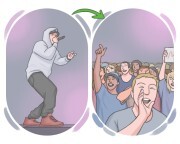
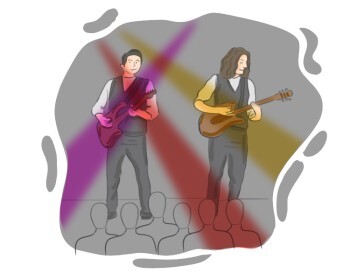
concert
concert
[существительное]

a public performance by musicians or singers

концерт

концерт

Ex: The school is hosting a concert to showcase the students ' musical talents .

Школа проводит концерт, чтобы продемонстрировать музыкальные таланты учеников.

Закрыть
Войти
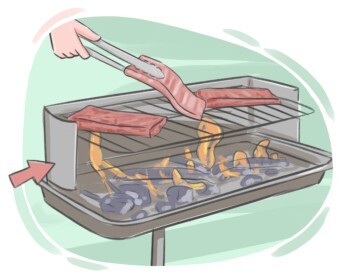
barbecue
barbecue
[существительное]

an outdoor party during which food, such as meat, fish, etc. is cooked on a metal frame over an open fire

барбекю

барбекю

Ex: We 're planning a barbecue in the backyard this weekend with friends and family .

Мы планируем барбекю во дворе в эти выходные с друзьями и семьей.

Закрыть
Войти
play
play
[существительное]

a written story that is meant to be performed on a stage, radio, or television

пьеса
пьеса

Ex: Her award-winning play received rave reviews from both critics and audiences .

Её награждённая пьеса получила восторженные отзывы как от критиков, так и от зрителей.

Закрыть
Войти
musical
musical
[существительное]

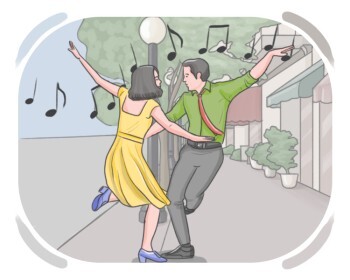
any theatrical performance that combines singing, dancing, and acting to tell a story

мюзикл

мюзикл

Ex: I was captivated by the emotional depth of the musical, as it beautifully conveyed the characters' struggles and triumphs through powerful performances.

Я был очарован эмоциональной глубиной мюзикла, так как он прекрасно передавал борьбу и триумфы персонажей через мощные выступления.

Закрыть
Войти
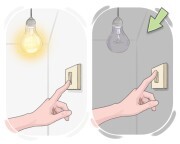
to turn off
to turn off
[глагол]

to cause a machine, device, or system to stop working or flowing, usually by pressing a button or turning a switch

выключить

выключить

Ex: Make sure to turn off the stove when you are done cooking.

Убедитесь, что вы выключили плиту, когда закончите готовить.

Закрыть
Войти
to want
to want
[глагол]

to wish to do or have something

хотеть

хотеть

Ex: What does she want for her birthday?

Что она хочет на день рождения?

Закрыть
Войти
to have
to have
[глагол]

to hold or own something

иметь

иметь

Ex: He has a Bachelor 's degree in Computer Science .

У него есть степень бакалавра в области компьютерных наук.

Закрыть
Войти
to see
to see
[глагол]

to notice a thing or person with our eyes

видеть

видеть

Ex: They saw a flower blooming in the garden.

Они увидели цветок, расцветающий в саду.

Закрыть
Войти
to like
to like
[глагол]

to feel that someone or something is good, enjoyable, or interesting

нравиться

нравиться

Ex: What kind of music do you like?

Какую музыку ты любишь?

Закрыть
Войти
would
would
[глагол]

used to indicate a habitual tendency, preference, or desire

было бы

было бы

Ex: She would prefer tea to coffee .

Она предпочла бы чай кофе.

Закрыть
Войти
to go
to go
[глагол]

to move over a particular distance

идти, ходить

идти, ходить

Ex: On their cycling tour , they went many miles each day , enjoying the landscapes along the way .

Во время велосипедного тура они проезжали много миль каждый день, наслаждаясь пейзажами по пути.

Закрыть
Войти
to love
to love
[глагол]

to have very strong feelings for someone or something that is important to us and we like a lot and want to take care of

любить, обожать
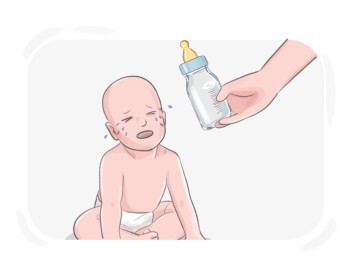
любить, обожать

Ex: They love their hometown and take pride in its history and traditions .

Они любят свой родной город и гордятся его историей и традициями.

Закрыть
Войти
to need
to need
[глагол]

to want something or someone that we must have if we want to do or be something

нуждаться
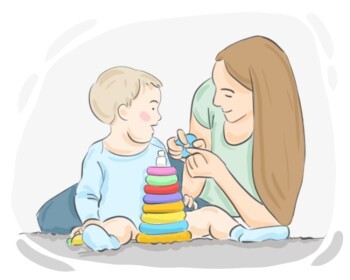
нуждаться

Ex: The house needs cleaning before the guests arrive .

Дому нужна уборка до прихода гостей.

Закрыть
Войти
to babysit
to babysit
[глагол]

to take care of a child or children while their parents are away

нянчить

нянчить

Ex: She loves to babysit because she enjoys playing with children .

Она любит сидеть с детьми, потому что ей нравится играть с ними.

Закрыть
Войти
limit
limit
[существительное]

the maximum extent or quantity of something that is legally permitted or allowed by regulations or laws

предел, лимит

предел, лимит

Ex: There are strict limits on the emission of pollutants from industrial plants to protect the environment .

Существуют строгие ограничения на выброс загрязняющих веществ промышленными предприятиями для защиты окружающей среды.

Закрыть
Войти
to host
to host
[глагол]

to be the organizer of an event such as a meeting, party, etc. to which people are invited

принимать гостей

принимать гостей

Ex: Families hosted a neighborhood block party .

Семьи организовали соседскую вечеринку.

Закрыть
Войти
band
band
[существительное]

a group of musicians and singers playing popular music

группа

группа

Ex: She sings lead vocals in a local indie band that performs at small venues around the city .

Она поёт ведущий вокал в местной инди-группе, которая выступает на небольших площадках по всему городу.

Закрыть
Войти
to check
to check
[глагол]

to discover information about something or someone by looking, asking, or investigating

проверять

проверять

Ex: Can you please check whether the documents are in the file cabinet ?

Можете ли вы, пожалуйста, проверить, находятся ли документы в картотеке?

Закрыть
Войти
stage
stage
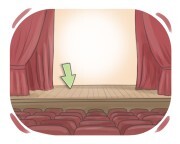
[существительное]

an elevated area, especially in theaters, on which artists perform for the audience

сцена
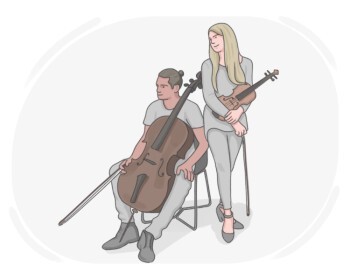
сцена

Ex: The comedian 's performance had the entire stage lit up with laughter .

Выступление комика осветило всю сцену смехом.

Закрыть
Войти
musician
musician
[существительное]

someone who plays a musical instrument or writes music, especially as a profession

музыкант

музыкант

Ex: The young musician won a scholarship to a prestigious music school .

Молодой музыкант выиграл стипендию в престижную музыкальную школу.

Закрыть
Войти
to perform
to perform
[глагол]

to give a performance of something such as a play or a piece of music for entertainment

выступать, исполнять

выступать, исполнять

Ex: They perform a traditional dance at the festival every year .

Они исполняют традиционный танец на фестивале каждый год.

Закрыть
Войти
total
total
[существительное]

the complete amount or entirety of something

итог

итог

Ex: All the items together make up the total.

Все предметы вместе составляют общую сумму.

Закрыть
Войти
to explore
to explore
[глагол]

to visit places one has never seen before

исследовать

исследовать

Ex: Last summer , they explored the historic landmarks of the European cities .

Прошлым летом они исследовали исторические достопримечательности европейских городов.

Закрыть
Войти
sometimes
sometimes
[наречие]

on some occasions but not always

иногда

иногда

Ex: We sometimes visit our relatives during the holidays .

Мы иногда навещаем наших родственников во время праздников.

Закрыть
Войти
autograph
autograph
[существительное]

a person's signature, usually from someone famous or important

автограф, подпись

автограф, подпись

Ex: They were excited to see the celebrity giving autographs at the event .

Они были взволнованы, увидев знаменитость, раздающую автографы на мероприятии.

Закрыть
Войти
both
both
[прилагательное]

referring to two things together

оба

оба

Ex: He can speak both Spanish and French, making him an asset in international business meetings.

Он может говорить как по-испански, так и по-французски, что делает его ценным участником международных деловых встреч.

Закрыть
Войти
poster
poster
[существительное]

a large printed picture or notice, typically used for advertising or decoration

плакат

плакат

Ex: The school principal announced a contest for students to design a poster promoting kindness , with the winning entry to be displayed in the hallways .

Директор школы объявил конкурс для студентов на разработку плаката, пропагандирующего доброту, при этом победившая работа будет размещена в коридорах.

Закрыть
Войти
to sign
to sign
[глагол]

to write one's name or mark on a document to indicate acceptance, approval, or endorsement of its contents

подписать

подписать

Ex: Right now , the executive is actively signing letters for the upcoming mailing .

В настоящее время исполнительный директор активно подписывает письма для предстоящей рассылки.

Закрыть
Войти
hungry
hungry
[прилагательное]

needing or wanting something to eat

голодный, needing food

голодный, needing food

Ex: The long hike left them feeling tired and hungry.

Долгий поход оставил их уставшими и голодными.

Закрыть
Войти
thirsty
thirsty
[прилагательное]

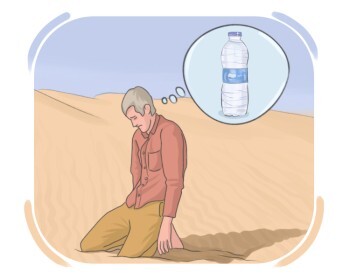
wanting or needing a drink

жаждущий, needing a drink

жаждущий, needing a drink

Ex: They felt thirsty after the long flight and drank water from the airplane 's cart .

Они почувствовали жажду после долгого перелета и выпили воду из тележки самолета.

Закрыть
Войти
to serve up
to serve up
[глагол]

to offer something, typically food or drink, to someone

доставлять пищу

доставлять пищу

Ex: He served up a homemade breakfast to his family on Sunday mornings .

Он подавал домашний завтрак своей семье по воскресным утрам.

Закрыть
Войти
everyone
everyone
[местоимение]

every single person in a group, community, or society, without exception

все

все

Ex: During the marathon , everyone pushed themselves to reach the finish line .

Во время марафона все поднапряглись, чтобы добраться до финишной черты.

Закрыть
Войти
to shop
to shop
[глагол]

to look for and buy different things from stores or websites

ходить по магазинам, покупать

ходить по магазинам, покупать

Ex: Last week , she shopped for new electronics during a sale .

На прошлой неделе она делала покупки новой электроники во время распродажи.

Закрыть
Войти
center
center
[существительное]

the middle part or point of an area or object

центр

центр

Ex: The wheel of the bicycle had a hub at its center.

У колеса велосипеда была втулка в его центре.

Закрыть
Войти
hat
hat
[существительное]

a piece of clothing often with a brim that we wear on our heads, for warmth, as a fashion item or as part of a uniform

шляпа

шляпа

Ex: She used to wear a wide-brimmed hat to protect her face from the sun .

Она носила широкополую шляпу, чтобы защитить лицо от солнца.

Закрыть
Войти
guitar
guitar
[существительное]

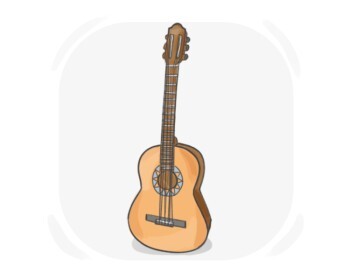
a musical instrument, usually with six strings, that we play by pulling the strings with our fingers or with a plectrum

гитара

гитара

Ex: We gathered around the campfire , singing songs accompanied by the guitar.

Мы собрались вокруг костра, распевая песни под аккомпанемент гитары.

Закрыть
Войти
LanGeek
Скачать приложение LanGeek