pattern

Le livre Total English - Débutant - Unité 9 - Référence

Ici, vous trouverez le vocabulaire de l'Unité 9 - Référence dans le manuel Total English Starter, comme "économiser", "journal", "emprunter", etc.

Réviser

Flashcards

formes

Orthographe

Quiz
Commencer à apprendre
Total English - Starter
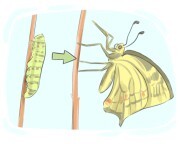
to become
to become
[verbe]

to start or grow to be

devenir

devenir

Ex: How can I become a more confident individual? 
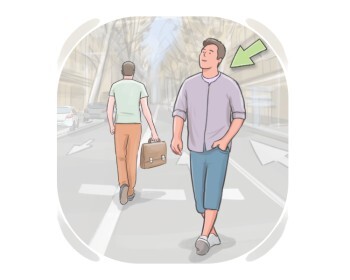
to buy
to buy
[verbe]

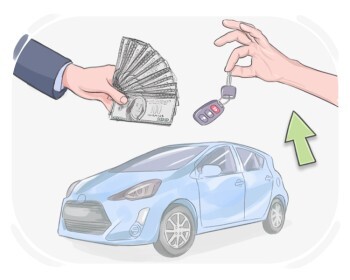
to get something in exchange for paying money

acheter
acheter

Ex: He bought a new phone to replace his old one. 
to come
to come
[verbe]

to move toward a location that the speaker considers to be close or relevant to them

venir

venir

Ex: David came into the office and sat down at his desk. 
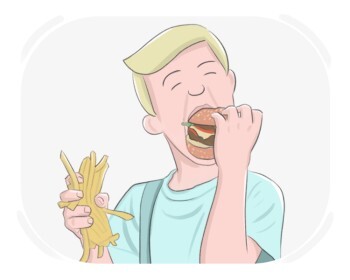
to do
to do
[verbe]

to perform an action that is not mentioned by name

faire
faire

Ex: I'm not sure what to do in this situation; it's quite confusing. 
to eat
to eat
[verbe]

to put food into the mouth, then chew and swallow it

manger

manger

Ex: He was too busy to eat lunch due to back-to-back meetings. 
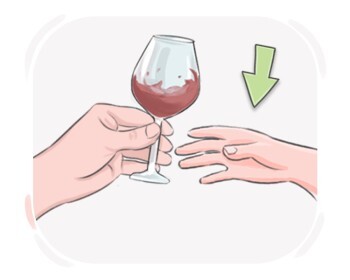
to find
to find
[verbe]

to search and discover something or someone that we have lost or do not know the location of

trouver
trouver

Ex: He looked for his missing phone, but it was nowhere to be found. 
to get
to get
[verbe]

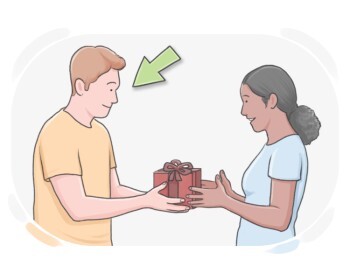
to receive or come to have something

obtenir, recevoir, prendre
obtenir, recevoir, prendre

Ex: Did you get any interesting gifts for your birthday? 
to give
to give
[verbe]

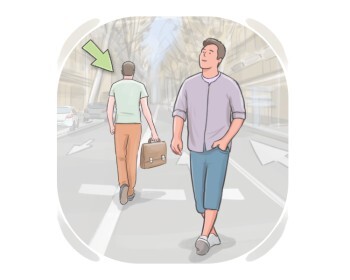
to hand a thing to a person to look at, use, or keep

donner
donner

Ex: She gave me a key to access the storage room. 
to go
to go
[verbe]

to travel or move from one location to another

aller
aller

Ex: They have to go to New York for a crucial meeting with clients. 
to have
to have
[verbe]

to hold or own something

avoir

avoir

Ex: They used to have a beach house. 
to make
to make
[verbe]

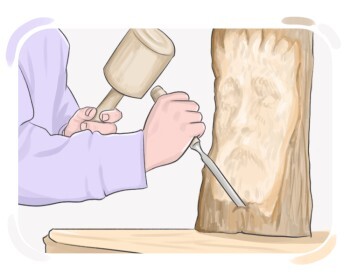
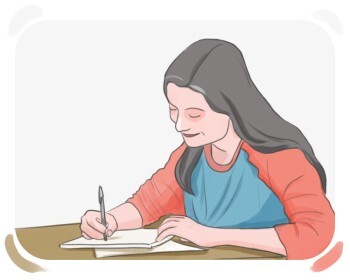
to form, produce, or prepare something, by putting parts together or by combining materials

faire, fabriquer
faire, fabriquer

Ex: The carpenter can make custom furniture based on your design preferences. 
to read
to read
[verbe]

to look at written or printed words or symbols and understand their meaning

lire
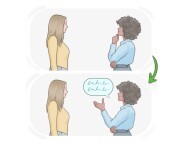
lire

Ex: Please read the instructions carefully. 
to say
to say
[verbe]

to use words and our voice to show what we are thinking or feeling

dire
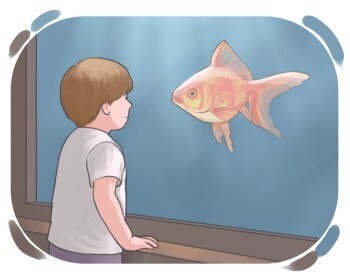
dire

Ex: She is saying that she needs some space to think. 
to see
to see
[verbe]

to notice a thing or person with our eyes

voir

voir

Ex: He saw a spider crawling up the wall. 
to sell
to sell
[verbe]

to give something to someone in exchange for money

vendre

vendre

Ex: He sold his old smartphone to his friend for a fair price. 
to speak
to speak
[verbe]

to use one's voice to express a particular feeling or thought

parler
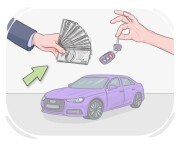
parler

Ex: Please speak louder so everyone in the room can hear you. 
to spend
to spend
[verbe]

to use money as a payment for services, goods, etc.

dépenser
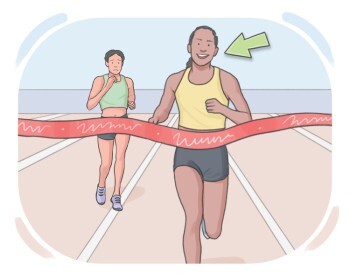
dépenser

Ex: I need to be careful not to spend too much on unnecessary items. 
to win
to win
[verbe]

to become the most successful, the luckiest, or the best in a game, race, fight, etc.

gagner
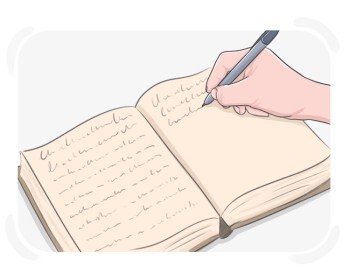
gagner

Ex: Despite the challenges, they managed to win the contract. 
to write
to write
[verbe]

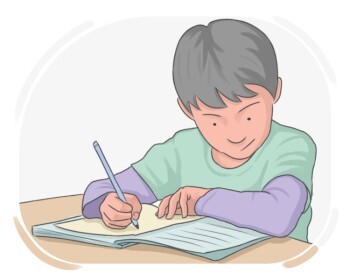
to make letters, words, or numbers on a surface, usually on a piece of paper, with a pen or pencil

écrire
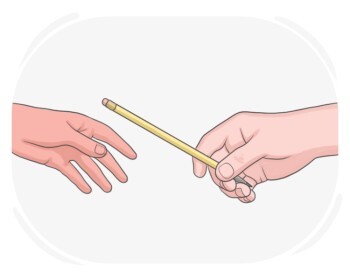
écrire

Ex: He quickly wrote the important phone number. 
to borrow
to borrow
[verbe]

to use or take something belonging to someone else, with the idea of returning it

emprunter
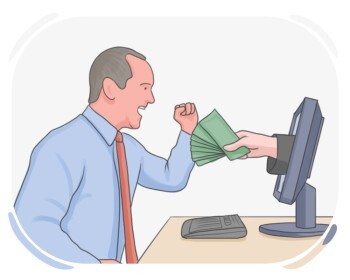
emprunter

Ex: The company decided to borrow funds from the bank to finance the expansion project. 
to earn
to earn
[verbe]

to get money for the job that we do or services that we provide

gagner, mériter

gagner, mériter

Ex: He is looking for a part-time job to earn some additional cash. 
to invest
to invest
[verbe]

to spend money or resources with the intention of gaining a future advantage or return

investir
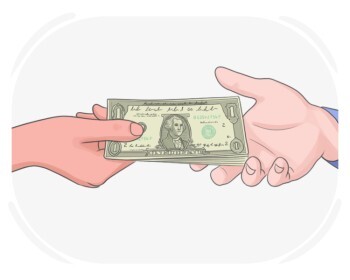
investir

Ex: She regularly invests in stocks to build long-term wealth. 
to lend
to lend
[verbe]

to give something to someone temporarily, expecting them to return it later

prêter
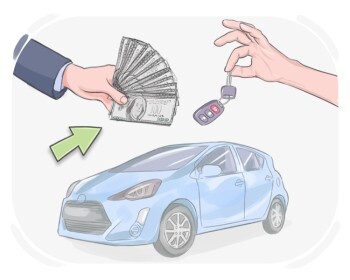
prêter

Ex: Emma lent Daniel her car for the weekend. 
to pay
to pay
[verbe]

to give someone money in exchange for goods or services

payer
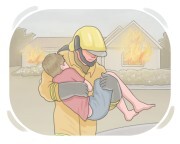
payer

Ex: Can you pay the babysitter when we get home? 
to save
to save
[verbe]

to keep someone or something safe and away from harm, death, etc.

sauver
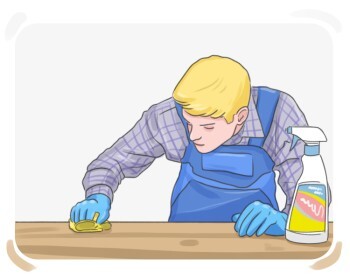
sauver

Ex: We must save endangered species from extinction. 
to clean
to clean
[verbe]

to make something have no bacteria, marks, or dirt

nettoyer
nettoyer

Ex: I usually clean the floors with a mop and cleaner. 
to tidy
to tidy
[verbe]

to make a place or collection of things neat and orderly

ranger,  ordonner
ranger, ordonner

Ex: Daniel is tidying his desk before leaving work. 
to deliver
to deliver
[verbe]

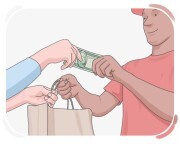
to bring and give a letter, package, etc. to a specific person or place

livrer
livrer

Ex: She always delivers important documents promptly. 
newspaper

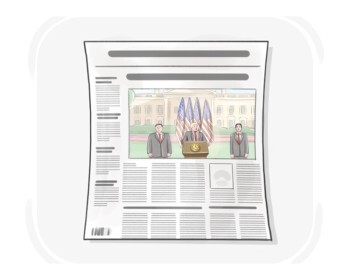
a set of large folded sheets of paper with lots of stories, pictures, and information printed on them about things like sport, politic, etc., usually issued daily or weekly

journal

journal

Ex: I like to read the newspaper with a cup of coffee to start my day. 
to help
to help
[verbe]

to give someone what they need

aider

aider

Ex: Can you help me solve this problem? 
homework

schoolwork that students have to do at home

devoirs

devoirs

Ex: I have a lot of homework to complete tonight. 
to look after

to take care of someone or something and attend to their needs, well-being, or safety

s’occuper de

s’occuper de

Ex: My cat looks after herself very well. 

Mon chat prend soin d'elle-même très bien.

neighbor

someone who is living next to us or somewhere very close to us

voisin, voisine

voisin, voisine

Ex: My neighbor helped me move my furniture into my new apartment. 
to stack
to stack
[verbe]

to arrange things in an orderly pile, one on top of another

empiler,  entasser
empiler, entasser

Ex: Emma was stacking clean plates in the cupboard. 
shelf
shelf
[nom]

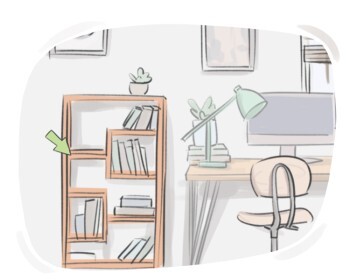
a flat horizontal board or surface used for holding or storing objects

étagère
étagère

Ex: The plates are on the top shelf of the cupboard. 
factory
factory
[nom]

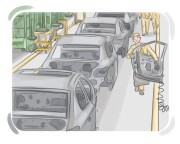
a building or set of buildings in which products are made, particularly using machines

usine
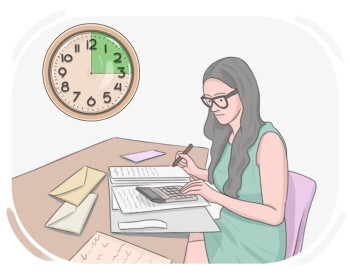
usine

Ex: We toured the chocolate factory and saw how they made delicious treats. 
part-time
part-time
[Adjectif]

working or employed for only part of the usual working hours or workweek

à temps partiel
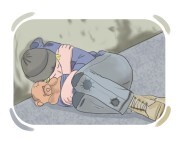
à temps partiel

Ex: Her part-time status allows her to spend more time with her family. 
broke
broke
[Adjectif]

having little or no financial resources

fauché, presque sans argent

fauché, presque sans argent

Ex: She's broke after buying that expensive laptop. 

Elle est fauchée après avoir acheté cet ordinateur portable cher.
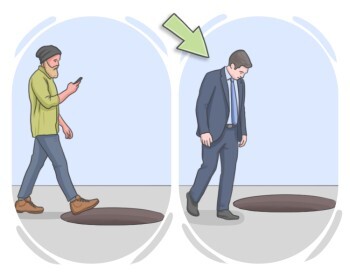
careful
careful
[Adjectif]

giving attention or thought to what we are doing to avoid doing something wrong, hurting ourselves, or damaging something

prudent, prudente

prudent, prudente

Ex: I am always careful with my phone to avoid dropping it. 

Je fais toujours attention à mon téléphone pour éviter de le faire tomber.
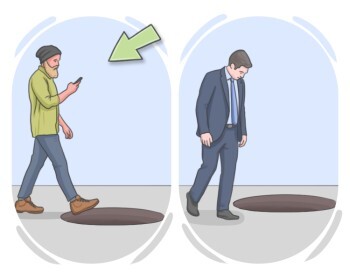
careless
careless
[Adjectif]

not paying enough attention to what we are doing

négligent, négligente

négligent, négligente

Ex: He lost his keys due to his careless habit of not checking his pockets. 

Il a perdu ses clés à cause de son habitude négligente de ne pas vérifier ses poches.
generous
generous
[Adjectif]

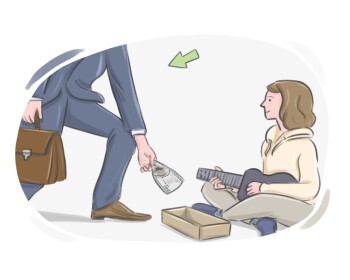
having a willingness to freely give or share something with others, without expecting anything in return

généreux

généreux

Ex: Despite facing financial struggles, he remained generous, sharing what little he had with others who were less fortunate. 

Malgré des difficultés financières, il est resté généreux, partageant le peu qu'il avait avec ceux qui étaient moins fortunés.
mean
mean
[Adjectif]

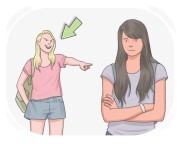
(of a person) behaving in a way that is unkind or cruel

méchant

méchant

Ex: He showed his mean streak by mocking his coworker's appearance behind their back. 
poor
poor
[Adjectif]

owning a very small amount of money or a very small number of things

pauvre

pauvre

Ex: The poor beggar sat on the street, asking for help from passersby. 
rich
rich
[Adjectif]

owning a great amount of money or things that cost a lot

riche
riche

Ex: The rich businessman owned multiple luxurious cars. 
thousand
thousand
[numéral]

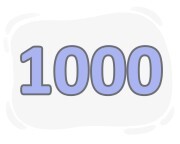
the number 1 followed by 3 zeros

mille

mille

Ex: The entrepreneur dreamed of building a company that would employ several thousand people across the globe. 

L'entrepreneur rêvait de construire une entreprise qui emploierait plusieurs mille personnes à travers le monde.
million
million
[numéral]

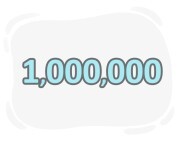
the number 1 followed by 6 zeros

million

million

Ex: The ambitious project aimed to plant a million trees, contributing to environmental conservation. 

Le projet ambitieux visait à planter un million d'arbres, contribuant à la conservation de l'environnement.

LanGeek
Télécharger l'application LanGeek