pattern

Książka Total English - Początkujący - Jednostka 9 - Odniesienie

Tutaj znajdziesz słownictwo z Unitu 9 - Odniesienie w podręczniku Total English Starter, takie jak "oszczędzać", "gazeta", "pożyczać" itp.

Przegląd

Fiszki

formy

Pisownia

Test
Zacznij naukę
Total English - Starter
to become
to become
[Czasownik]

to start or grow to be

stać się,  zostać

stać się, zostać

Ex: He's training to become a pilot at a flight school. 
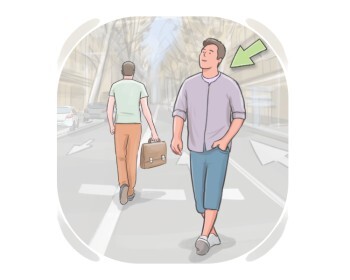
to buy
to buy
[Czasownik]

to get something in exchange for paying money

kupować
kupować

Ex: I need to buy groceries for dinner tonight. 
to come
to come
[Czasownik]

to move toward a location that the speaker considers to be close or relevant to them

przychodzić, przybywać

przychodzić, przybywać

Ex: Please come to the front of the classroom to present your project. 
to do
to do
[Czasownik]

to perform an action that is not mentioned by name

robić, wykonywać
robić, wykonywać

Ex: In times of crisis, people often come together to do whatever is necessary. 
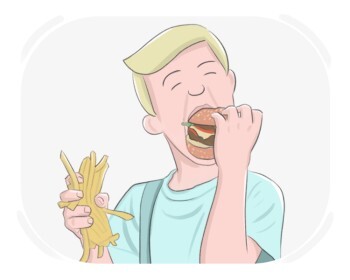
to eat
to eat
[Czasownik]

to put food into the mouth, then chew and swallow it

jeść

jeść

Ex: They enjoy eating pizza on Friday nights. 
to find
to find
[Czasownik]

to search and discover something or someone that we have lost or do not know the location of

znaleźć, odnaleźć
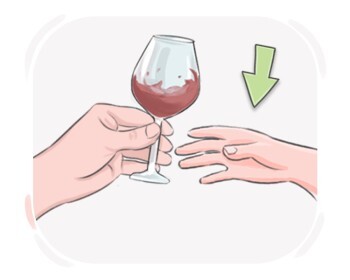
znaleźć, odnaleźć

Ex: Did you find the remote control for the television? 
to get
to get
[Czasownik]

to receive or come to have something

otrzymywać, zdobywać
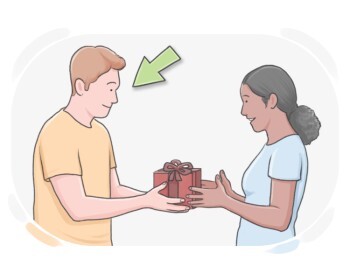
otrzymywać, zdobywać

Ex: He got an unexpected bonus at work. 
to give
to give
[Czasownik]

to hand a thing to a person to look at, use, or keep

dawać, wręczać
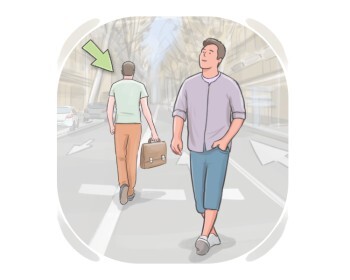
dawać, wręczać

Ex: The librarian gave me a book to borrow for my research. 
to go
to go
[Czasownik]

to travel or move from one location to another

iść, przemieszczać się
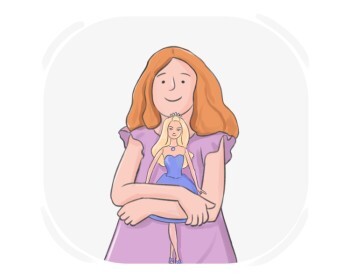
iść, przemieszczać się

Ex: Wouldn't it be more convenient to go by bus? 
to have
to have
[Czasownik]

to hold or own something

mieć, posiadać
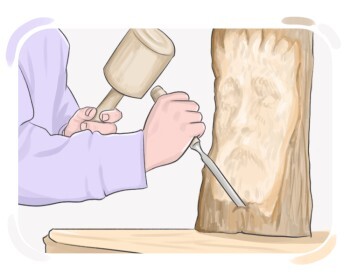
mieć, posiadać

Ex: He has a rare stamp from the 19th century. 
to make
to make
[Czasownik]

to form, produce, or prepare something, by putting parts together or by combining materials

robić, wytwarzać

robić, wytwarzać

Ex: The dress was made of silk, adorned with intricate embroidery. 
to read
to read
[Czasownik]

to look at written or printed words or symbols and understand their meaning

czytać, czytanie
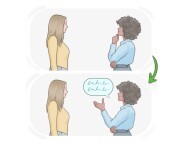
czytać, czytanie

Ex: I can read this book easily. 
to say
to say
[Czasownik]

to use words and our voice to show what we are thinking or feeling

mówić, powiedzieć
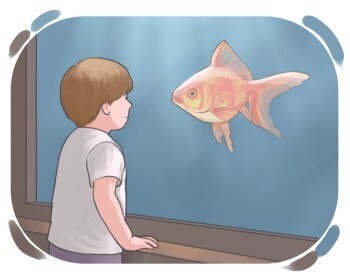
mówić, powiedzieć

Ex: He was saying that he wanted to quit his job and travel the world. 
to see
to see
[Czasownik]

to notice a thing or person with our eyes

widzieć, zauważyć
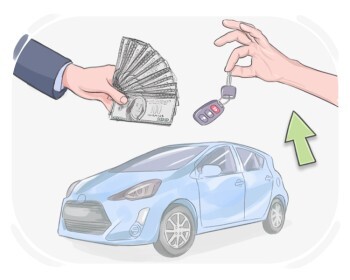
widzieć, zauważyć

Ex: Did you see that shooting star just now? 
to sell
to sell
[Czasownik]

to give something to someone in exchange for money

sprzedawać, handlować

sprzedawać, handlować

Ex: Are you planning to sell your house in the near future? 
to speak
to speak
[Czasownik]

to use one's voice to express a particular feeling or thought

mówić, wyrażać

mówić, wyrażać

Ex: He spoke about his experiences during the meeting. 
to spend
to spend
[Czasownik]

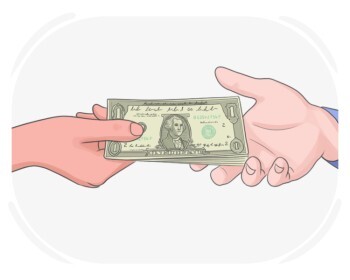
to use money as a payment for services, goods, etc.

wydawać, przeznaczać
wydawać, przeznaczać

Ex: She spent a lot on gifts for her family during the holiday season. 
to win
to win
[Czasownik]

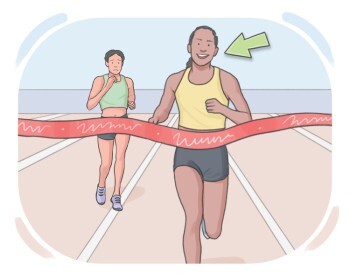
to become the most successful, the luckiest, or the best in a game, race, fight, etc.

wygrać, zwyciężyć
wygrać, zwyciężyć

Ex: Our team won the championship after a hard-fought season. 
to write
to write
[Czasownik]

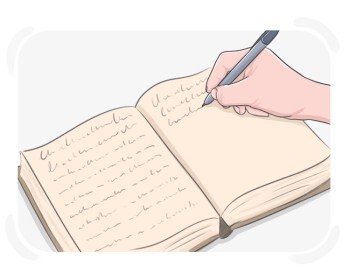
to make letters, words, or numbers on a surface, usually on a piece of paper, with a pen or pencil

pisać
pisać

Ex: Can you write your address on this form? 
to borrow
to borrow
[Czasownik]

to use or take something belonging to someone else, with the idea of returning it

pożyczać, wypożyczać

pożyczać, wypożyczać

Ex: Can I borrow your umbrella?  It's raining outside, and I left mine at home. 
to earn
to earn
[Czasownik]

to get money for the job that we do or services that we provide

zarabiać, otrzymywać

zarabiać, otrzymywać

Ex: Freelancers earn money based on the projects they complete. 
to invest
to invest
[Czasownik]

to spend money or resources with the intention of gaining a future advantage or return

inwestować, lokować
inwestować, lokować

Ex: Investors often invest in real estate to diversify their portfolios. 
to lend
to lend
[Czasownik]

to give something to someone temporarily, expecting them to return it later
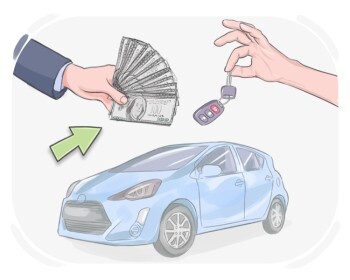
Ex: She lent me some money until payday. 
to pay
to pay
[Czasownik]

to give someone money in exchange for goods or services

płacić, wynagradzać
płacić, wynagradzać

Ex: She paid the repairman to fix her broken dishwasher. 
to save
to save
[Czasownik]

to keep someone or something safe and away from harm, death, etc.

ratować, chronić
ratować, chronić

Ex: Lifeguards work tirelessly to save swimmers in distress. 
to clean
to clean
[Czasownik]

to make something have no bacteria, marks, or dirt

czyścić, myć
czyścić, myć

Ex: I need to clean my glasses; they are dirty. 
to tidy
to tidy
[Czasownik]

to make a place or collection of things neat and orderly

sprzątać,  porządkować
sprzątać, porządkować

Ex: Emma had already tidied the kitchen by the time I arrived. 
to deliver
to deliver
[Czasownik]

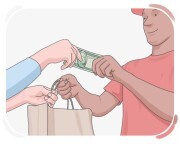
to bring and give a letter, package, etc. to a specific person or place

dostarczać, rozprowadzać
dostarczać, rozprowadzać

Ex: The mail carrier regularly delivers letters and packages to our doorstep. 
newspaper
newspaper
[Rzeczownik]

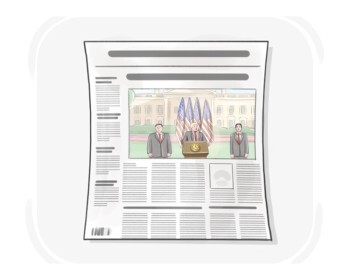
a set of large folded sheets of paper with lots of stories, pictures, and information printed on them about things like sport, politic, etc., usually issued daily or weekly

gazeta, dziennik

gazeta, dziennik

Ex: I enjoy doing the crossword puzzle in the newspaper to challenge my brain. 
to help
to help
[Czasownik]

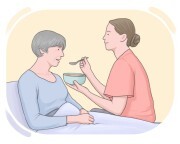
to give someone what they need

pomagać, wspierać

pomagać, wspierać

Ex: She helped him carry the boxes upstairs. 
homework
homework
[Rzeczownik]

schoolwork that students have to do at home

praca domowa, zadanie domowe
praca domowa, zadanie domowe

Ex: They need to finish their English homework before the deadline. 
to look after
to look after
[Czasownik]

to take care of someone or something and attend to their needs, well-being, or safety

opiekować się, dbać o

opiekować się, dbać o

Ex: My grandmother looked after me after my parents passed away. 

Moja babcia opiekowała się mną po śmierci moich rodziców.

neighbor
neighbor
[Rzeczownik]

someone who is living next to us or somewhere very close to us

sąsiad, sąsiadka

sąsiad, sąsiadka

Ex: I noticed my neighbor's mailbox was overflowing, so I let them know. 
to stack
to stack
[Czasownik]

to arrange things in an orderly pile, one on top of another

układać w stos,  piętrzyć

układać w stos, piętrzyć

Ex: The workers had stacked the bricks beside the construction site. 
shelf
shelf
[Rzeczownik]

a flat horizontal board or surface used for holding or storing objects
Ex: She placed the photograph on a wooden shelf. 
factory
factory
[Rzeczownik]

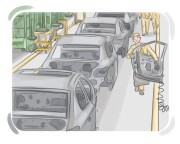
a building or set of buildings in which products are made, particularly using machines

fabryka, zakład
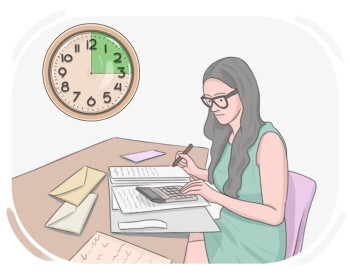
fabryka, zakład

Ex: The automobile factory produces thousands of cars each month. 
part-time
part-time
[przymiotnik]

working or employed for only part of the usual working hours or workweek
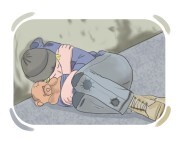
Ex: My sister found a part-time job at the bookstore. 
broke
broke
[przymiotnik]

having little or no financial resources

spłukany, prawie bez pieniędzy

spłukany, prawie bez pieniędzy

Ex: He's broke but still managed to help a friend. 

Jest spłukany, ale mimo to udało mu się pomóc przyjacielowi.
careful
careful
[przymiotnik]

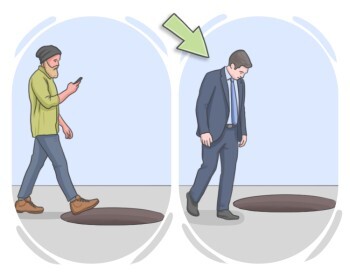
giving attention or thought to what we are doing to avoid doing something wrong, hurting ourselves, or damaging something

ostrożny, uważny

ostrożny, uważny

Ex: You need to be careful when handling fragile items. 

Musisz być ostrożny podczas obchodzenia się z delikatnymi przedmiotami.
careless
careless
[przymiotnik]

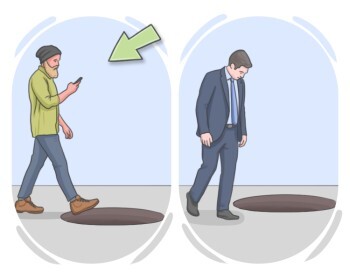
not paying enough attention to what we are doing

nieostrożny, niedbały

nieostrożny, niedbały

Ex: Her careless spending led to financial problems. 

Jej nieostrożne wydatki doprowadziły do problemów finansowych.
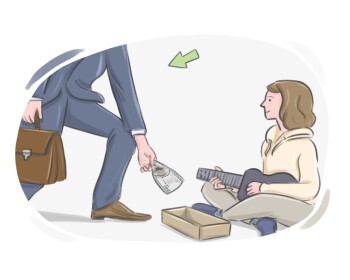
generous
generous
[przymiotnik]

having a willingness to freely give or share something with others, without expecting anything in return

hojny,  szczodry

hojny, szczodry

Ex: The generous tip left by the satisfied customer reflected their appreciation for the exceptional service they received. 

Hojny napiwek pozostawiony przez zadowolonego klienta odzwierciedlał ich uznanie za wyjątkową obsługę, którą otrzymali.
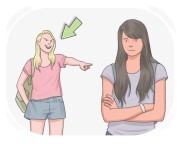
mean
mean
[przymiotnik]

(of a person) behaving in a way that is unkind or cruel

złośliwy, okrutny

złośliwy, okrutny

Ex: The mean girl spread rumors about her classmates to make herself feel superior. 
poor
poor
[przymiotnik]

owning a very small amount of money or a very small number of things

biedny, potrzebujący

biedny, potrzebujący

Ex: He wanted to help the poor family who were struggling to afford basic necessities like food and clothing. 
rich
rich
[przymiotnik]

owning a great amount of money or things that cost a lot

bogaty, zamożny

bogaty, zamożny

Ex: He invested wisely and became incredibly rich. 
thousand
thousand
[Liczebnik]

the number 1 followed by 3 zeros

tysiąc, tysiącznik

tysiąc, tysiącznik

Ex: The artist painstakingly created a mural with a thousand tiny details, each contributing to the overall masterpiece. 

Artysta mozolnie stworzył mural z tysiącem drobnych detali, z których każdy przyczynia się do ogólnego arcydzieła.
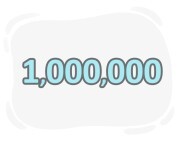
million
million
[Liczebnik]

the number 1 followed by 6 zeros

milion

milion

Ex: The technology company celebrated reaching a milestone of a million users on their innovative app. 

Firma technologiczna świętowała osiągnięcie kamienia milowego miliona użytkowników swojej innowacyjnej aplikacji.

LanGeek
Pobierz aplikację LanGeek