
Il libro Total English - Principiante - Unità 9 - Riferimento
Qui troverai il vocabolario dell'Unità 9 - Riferimento nel corso Total English Starter, come "risparmiare", "giornale", "prendere in prestito", ecc.
Ripasso
Flashcard
Ortografia
Quiz
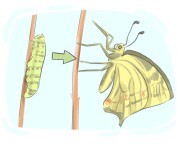
to begin to be something or develop into a particular state, condition, or role

diventare

to get something in exchange for paying money
comprare
Ti sei ricordato di comprare i biglietti per il concerto questo weekend?
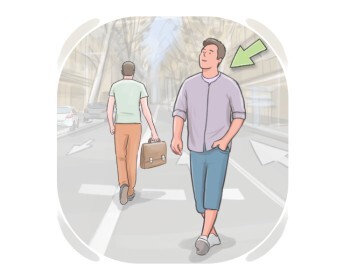
to move toward a location that the speaker considers to be close or relevant to them
venire
Lei è venuta in cucina per prendere uno spuntino.

to perform an action that is not mentioned by name
fare
Quando ti senti sopraffatto, va bene fare una pausa e non fare niente per un po'.
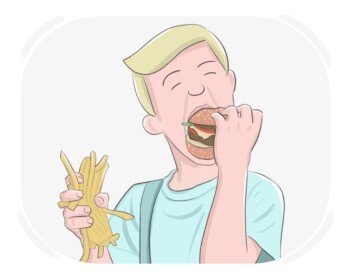
to put food into the mouth, then chew and swallow it
mangiare
I bambini erano così affamati dopo aver giocato fuori che non vedevano l'ora di mangiare la cena.
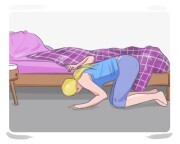
to search and discover something or someone that we have lost or do not know the location of
trovare
Abbiamo trovato il libro che stavamo cercando sullo scaffale più alto.
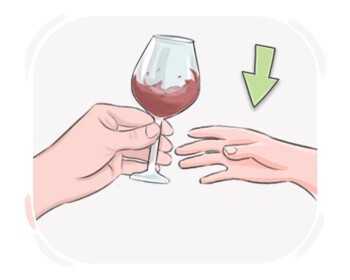
to receive or be given something
ricevere
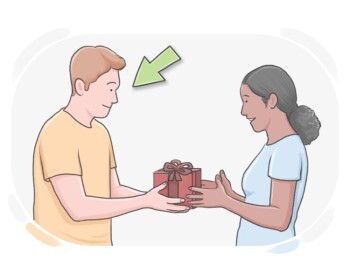
to hand a thing to a person to look at, use, or keep
dare
Puoi darmi le forbici per tagliare questo foglio?
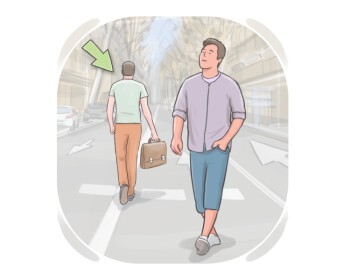
to travel or move from one location to another
andare
Non sarebbe più conveniente andare in autobus?
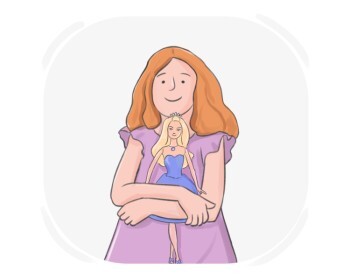
to hold or own something
avere
Noi abbiamo una prenotazione al ristorante.
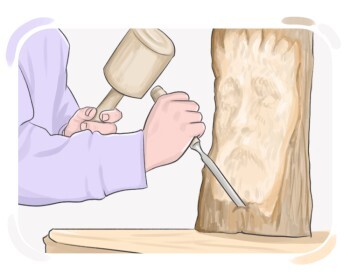
to form, produce, or prepare something, by putting parts together or by combining materials
fare
Il vestito era fatto di seta, adornato con ricami intricati.
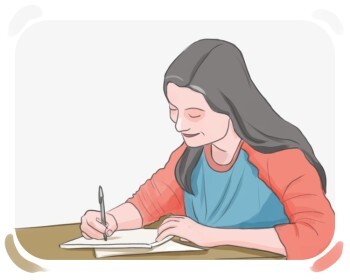
to look at written or printed words or symbols and understand their meaning
leggere
Riesci a leggere il cartello da questa distanza?
to use words and our voice to show what we are thinking or feeling
dire
Hanno detto che erano dispiaciuti per il ritardo.
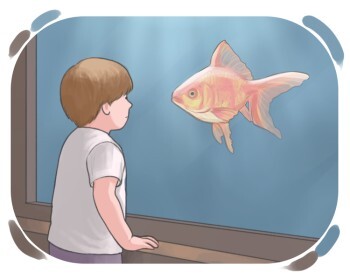
to notice a thing or person with our eyes
vedere
Hanno visto un fiore sbocciare nel giardino.
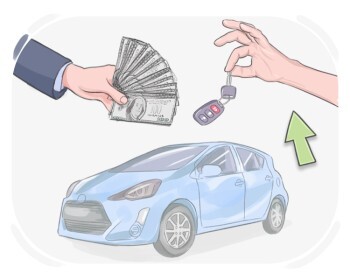
to give something to someone in exchange for money
vendere
L'azienda prevede di vendere il suo nuovo prodotto nei mercati internazionali.

to use one's voice to express a particular feeling or thought
parlare
Ho dovuto parlare con un tono più dolce per convincerla.
to use money as a payment for services, goods, etc.
spendere
A lei non piace spendere soldi per cose di cui non ha bisogno.
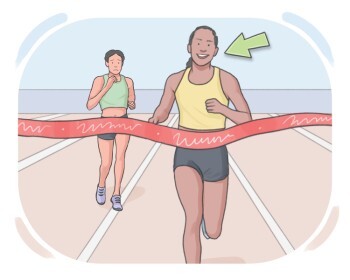
to become the most successful, the luckiest, or the best in a game, race, fight, etc.
vincere
Hanno vinto la partita negli ultimi secondi con un gol spettacolare.
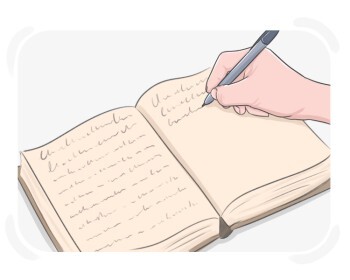
to make letters, words, or numbers on a surface, usually on a piece of paper, with a pen or pencil
scrivere
Puoi scrivere un biglietto per il fattorino?
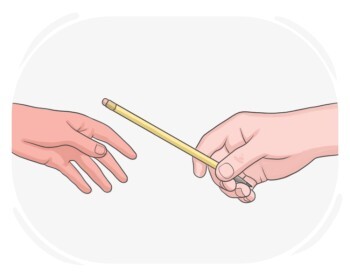
to use or take something belonging to someone else, with the idea of returning it
prendere in
Invece di comprare un tosaerba, ha scelto di prendere in prestito uno dal suo vicino per il fine settimana.
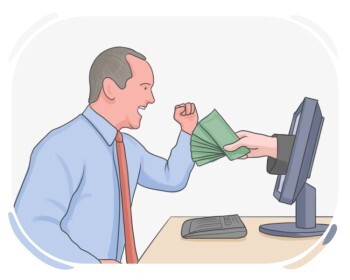
to get money for the job that we do or services that we provide
guadagnare,ottenere
Con il suo nuovo lavoro, guadagnerà il doppio.
to put money into a business, property, or other assets with the expectation of earning a financial return
investire
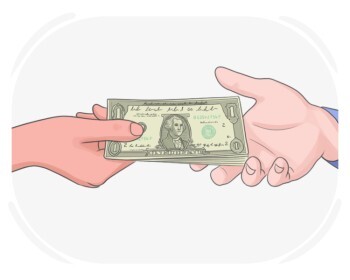
to give something to someone temporarily, expecting them to return it later
prestare
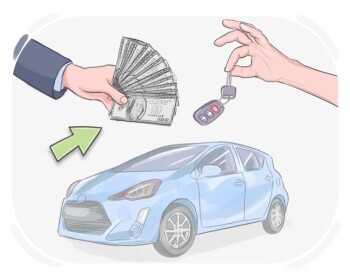
to give someone money in exchange for goods or services
pagare
Ha pagato il tassista per il viaggio all'aeroporto.
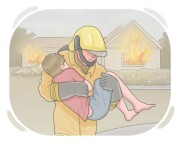
to keep someone or something safe and away from harm, death, etc.
salvare
La scoperta dello scienziato potrebbe salvare innumerevoli vite in futuro.
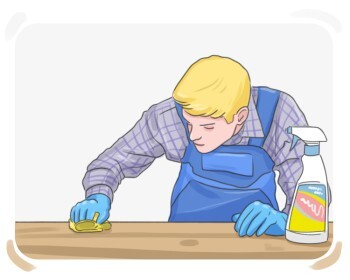
to make something have no bacteria, marks, or dirt
pulire
Puliamo sempre il bagno per mantenerlo igienizzato.
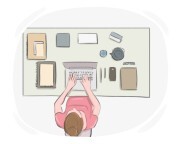
to make a place or collection of things neat and orderly
ordinato
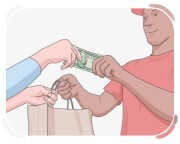
to take goods, letters, packages, or other items to the person or place they are intended for
consegnare
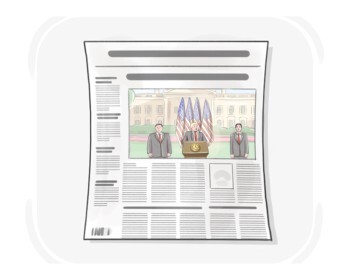
a set of large folded sheets of paper with lots of stories, pictures, and information printed on them about things like sport, politic, etc., usually issued daily or weekly
giornale
Il giornale ha una sezione di intrattenimento con recensioni di film e notizie sulle celebrità.
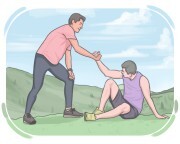
to give someone what they need
aiutare
L'ha aiutata a trovare un nuovo lavoro.
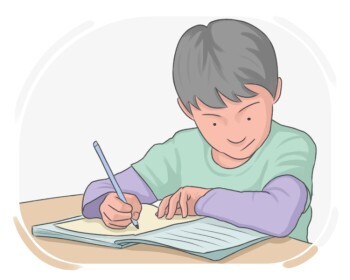
schoolwork that students have to do at home
compiti a casa
Utilizziamo libri di testo e risorse online per aiutarci con i nostri compiti.
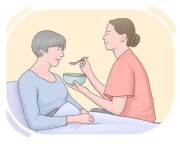
to take care of someone or something and attend to their needs, well-being, or safety
prendersi cura di, badare a
L'azienda si prende cura dei suoi dipendenti fornendo loro un ambiente di lavoro sicuro e salutare.
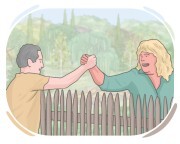
someone who is living next to us or somewhere very close to us
vicino
Il nuovo vicino si è trasferito accanto con i suoi tre figli.
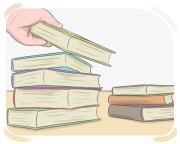
to arrange things in an orderly pile, one on top of another
impilare, accatastare
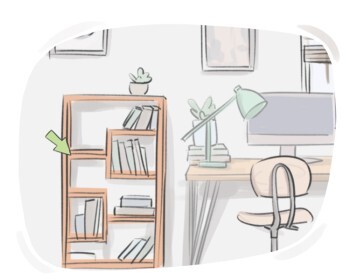
a flat horizontal board or surface used for holding or storing objects
scaffale
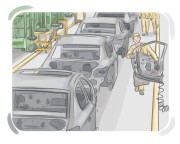
a building or set of buildings in which products are made, particularly using machines
fabbrica
Ha visitato la fabbrica per vedere come venivano realizzati i prodotti.
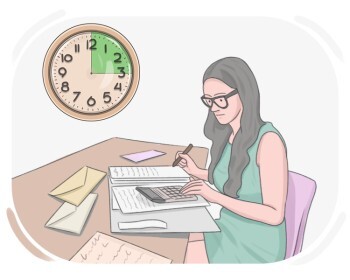
working or employed for only part of the usual working hours or workweek
tempo parziale
Il museo impiega diverse guide a tempo parziale durante la stagione turistica.
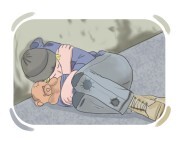
having little or no financial resources
al verde, quasi senza soldi
Questo mese siamo al verde per colpa dell'affitto.
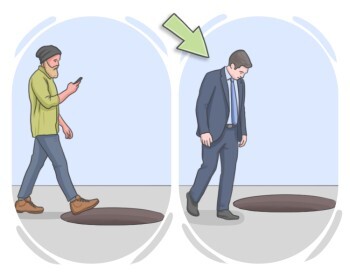
paying close attention to what one is doing to avoid mistakes, accidents, or harm
attento
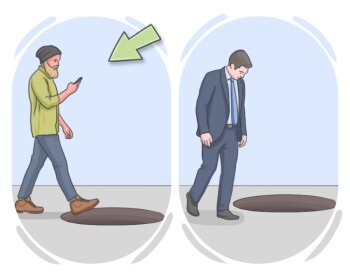
not paying enough attention to what we are doing
distratto
L'autista sconsiderato ha attraversato col rosso.
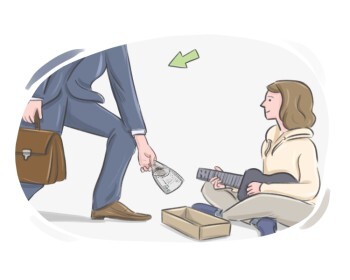
having a willingness to freely give or share something with others, without expecting anything in return
generoso
La ringraziarono per la generosa offerta di pagare le riparazioni.
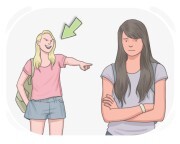
(of a person) behaving in a way that is unkind or cruel
meschino
Il vicino cattivo si è lamentato di questioni banali solo per creare problemi.
owning a very small amount of money or a very small number of things
povero
Purtroppo, la povera coppia anziana faceva affidamento sull'assistenza governativa per coprire le spese.
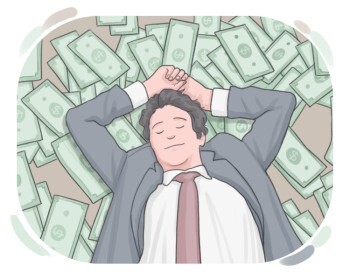
owning a great amount of money or things that cost a lot
ricco
Il ricco filantropo ha sponsorizzato borse di studio per studenti svantaggiati.
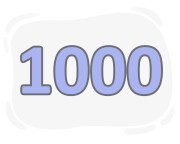
the number 1 followed by 3 zeros
mille
Si sono imbarcati in un viaggio on the road, guidando attraverso paesaggi pittoreschi per un viaggio di mille miglia.
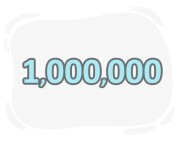
the number 1 followed by 6 zeros
milione
Il romanzo di maggior successo dell'autore ha venduto oltre un milione di copie in tutto il mondo, affascinando i lettori di diverse culture.
