pattern

El libro Total English - Principiante - Unidad 9 - Referencia

Aquí encontrarás el vocabulario de la Unidad 9 - Referencia en el libro de curso Total English Starter, como "ahorrar", "periódico", "pedir prestado", etc.

Revisión

Tarjetas de memoria

formas

Ortografía

Cuestionario
Empezar a aprender
Total English - Starter
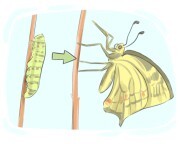
to become
to become
[Verbo]

to start or grow to be

convertirse en, volverse, hacerse, llegar a ser

convertirse en, volverse, hacerse, llegar a ser

Ex: He's training to become a pilot at a flight school. 
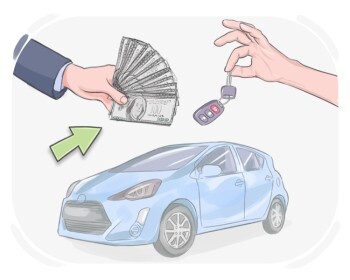
to buy
to buy
[Verbo]

to get something in exchange for paying money

comprar
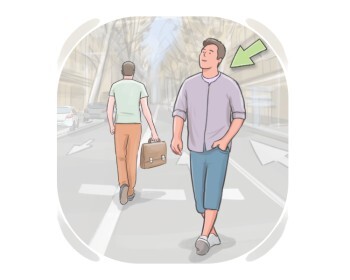
comprar

Ex: I need to buy groceries for dinner tonight. 
to come
to come
[Verbo]

to move toward a location that the speaker considers to be close or relevant to them

venir

venir

Ex: Can you come with me to the store? 
to do
to do
[Verbo]

to perform an action that is not mentioned by name

hacer
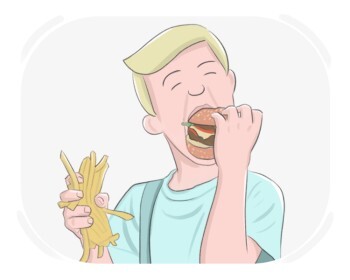
hacer

Ex: What are you doing tomorrow? 
to eat
to eat
[Verbo]

to put food into the mouth, then chew and swallow it

comer

comer

Ex: They enjoy eating pizza on Friday nights. 
to find
to find
[Verbo]

to search and discover something or someone that we have lost or do not know the location of

encontrar
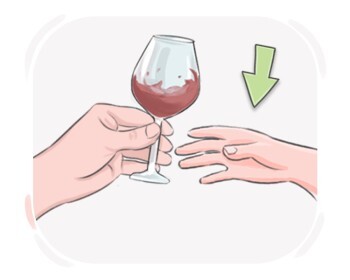
encontrar

Ex: Did you find the remote control for the television? 
to get
to get
[Verbo]

to receive or come to have something

conseguir, obtener
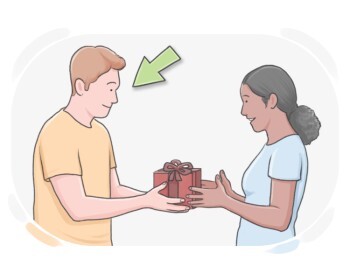
conseguir, obtener

Ex: He got an unexpected bonus at work. 
to give
to give
[Verbo]

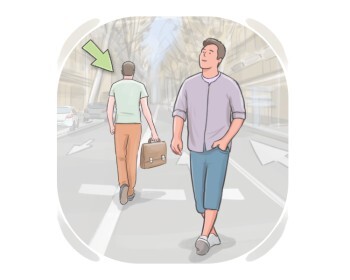
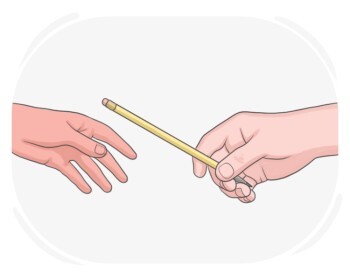
to hand a thing to a person to look at, use, or keep

dar
dar

Ex: The librarian gave me a book to borrow for my research. 
to go
to go
[Verbo]

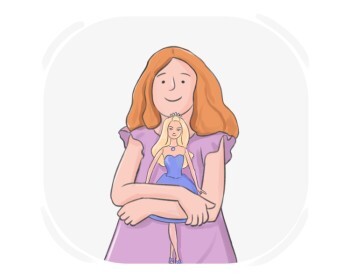
to travel or move from one location to another

ir
ir

Ex: He went into the kitchen to prepare dinner for the family. 
to have
to have
[Verbo]

to hold or own something

tener

tener

Ex: I have a collection of antique coins that I inherited from my grandfather. 
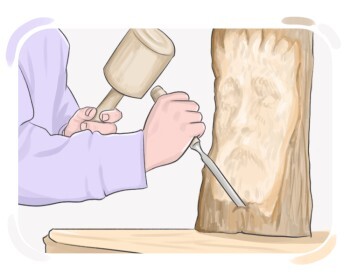
to make
to make
[Verbo]

to form, produce, or prepare something, by putting parts together or by combining materials

hacer

hacer

Ex: The students will make a model of the solar system for the science fair. 
to read
to read
[Verbo]

to look at written or printed words or symbols and understand their meaning

leer
leer

Ex: I can read this book easily. 
to say
to say
[Verbo]

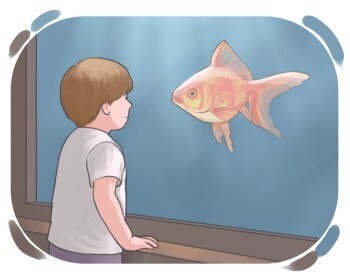
to use words and our voice to show what we are thinking or feeling

decir
decir

Ex: He was saying that he wanted to quit his job and travel the world. 
to see
to see
[Verbo]

to notice a thing or person with our eyes

ver
ver

Ex: Did you see that shooting star just now? 
to sell
to sell
[Verbo]

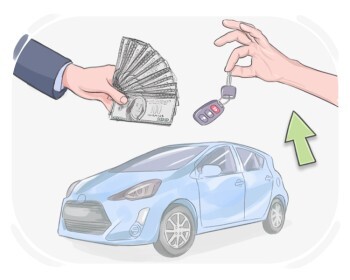
to give something to someone in exchange for money

vender

vender

Ex: Are you planning to sell your house in the near future? 
to speak
to speak
[Verbo]

to use one's voice to express a particular feeling or thought

hablar

hablar

Ex: He spoke about his experiences during the meeting. 
to spend
to spend
[Verbo]

to use money as a payment for services, goods, etc.

gastar
gastar

Ex: She spent a lot on gifts for her family during the holiday season. 
to win
to win
[Verbo]

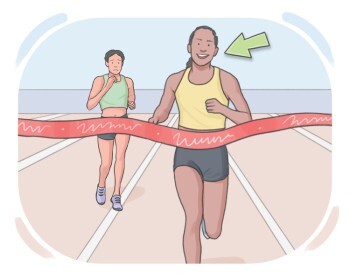
to become the most successful, the luckiest, or the best in a game, race, fight, etc.

ganar
ganar

Ex: Our team won the championship after a hard-fought season. 
to write
to write
[Verbo]

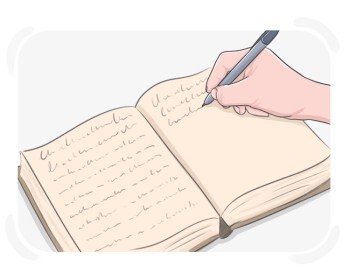
to make letters, words, or numbers on a surface, usually on a piece of paper, with a pen or pencil

escribir
escribir

Ex: Can you write your address on this form? 
to borrow
to borrow
[Verbo]

to use or take something belonging to someone else, with the idea of returning it

pedir prestado

pedir prestado

Ex: Can I borrow your umbrella? It's raining outside, and I left mine at home. 
to earn
to earn
[Verbo]

to get money for the job that we do or services that we provide

ganar, obtener

ganar, obtener

Ex: Freelancers earn money based on the projects they complete. 
to invest
to invest
[Verbo]

to spend money or resources with the intention of gaining a future advantage or return

invertir
invertir

Ex: Investors often invest in real estate to diversify their portfolios. 
to lend
to lend
[Verbo]

to give someone something, like money, expecting them to give it back after a while

prestar, dejar

prestar, dejar

Ex: She agreed to lend her friend some money until the next payday. 
to pay
to pay
[Verbo]

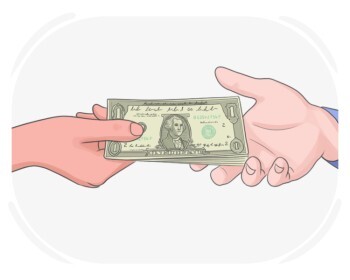
to give someone money in exchange for goods or services

pagar
pagar

Ex: She paid the repairman to fix her broken dishwasher. 
to save
to save
[Verbo]

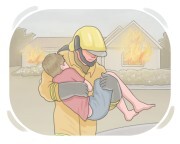
to keep someone or something safe and away from harm, death, etc.

salvar, conservar
salvar, conservar

Ex: Lifeguards work tirelessly to save swimmers in distress. 
to clean
to clean
[Verbo]

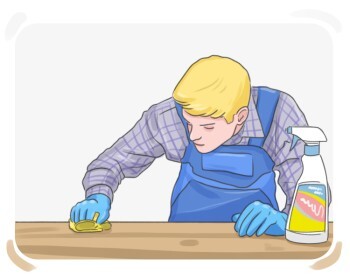
to make something have no bacteria, marks, or dirt

limpiar
limpiar

Ex: I need to clean my glasses; they are dirty. 
to tidy
to tidy
[Verbo]

to organize a place and put things where they belong

ordenar, organizar

ordenar, organizar

Ex: She decided to tidy her room before her friends came over to visit. 
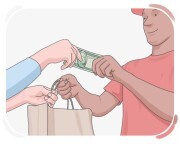
to deliver
to deliver
[Verbo]

to bring and give a letter, package, etc. to a specific person or place

entregar, repartir
entregar, repartir

Ex: The mail carrier regularly delivers letters and packages to our doorstep. 
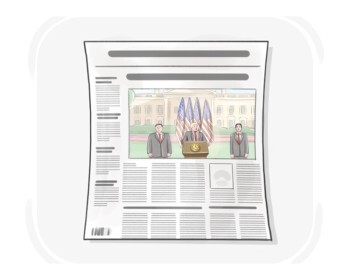
newspaper
newspaper
[Sustantivo]

a set of large folded sheets of paper with lots of stories, pictures, and information printed on them about things like sport, politic, etc., usually issued daily or weekly

periódico, diario

periódico, diario

Ex: I enjoy doing the crossword puzzle in the newspaper to challenge my brain. 
to help
to help
[Verbo]

to give someone what they need

ayudar

ayudar

Ex: She helped him carry the boxes upstairs. 
homework
homework
[Sustantivo]

schoolwork that students have to do at home

tarea

tarea

Ex: I always double-check my homework to ensure it is accurate. 
to look after

to take care of someone or something and attend to their needs, well-being, or safety

cuidar

cuidar

Ex: The nurse looks after the sick patient by monitoring their condition and providing medication. 
neighbor
neighbor
[Sustantivo]

someone who is living next to us or somewhere very close to us

vecino

vecino

Ex: I noticed my neighbor's mailbox was overflowing, so I let them know. 
to stack
to stack
[Verbo]

to arrange items on top of each other in large quantities

apilar, amontonar

apilar, amontonar

Ex: The warehouse worker stacked boxes of inventory neatly to maximize storage space. 
shelf
shelf
[Sustantivo]

a flat, narrow board made of wood, metal, etc. attached to a wall, to put items on

estante, repisa, balda

estante, repisa, balda

Ex: She arranged her collection of porcelain figurines neatly on the living room shelf. 
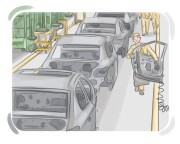
factory
factory
[Sustantivo]

a building or set of buildings in which products are made, particularly using machines

fábrica
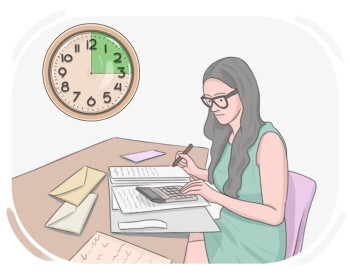
fábrica

Ex: The automobile factory produces thousands of cars each month. 
part-time
part-time
[Adjetivo]

done only for a part of the working hours

a tiempo parcial

a tiempo parcial

Ex: He accepted a part-time teaching position at the college. 
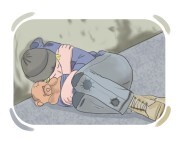
broke
broke
[Adjetivo]

having little or no financial resources

pelado, sin un peso, sin blanca

pelado, sin un peso, sin blanca

Ex: I'm broke until payday. 
careful
careful
[Adjetivo]

giving attention or thought to what we are doing to avoid doing something wrong, hurting ourselves, or damaging something

cuidadoso

cuidadoso

Ex: Be careful when crossing the street. 
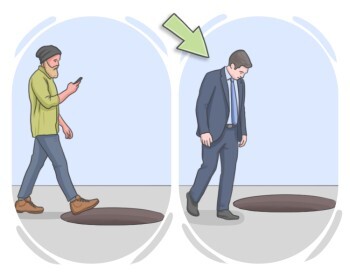
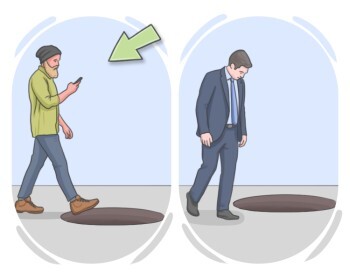
careless
careless
[Adjetivo]

not paying enough attention to what we are doing

descuidado

descuidado

Ex: He is a careless eater and often spills food on his clothes. 
generous
generous
[Adjetivo]

having a willingness to freely give or share something with others, without expecting anything in return

generoso

generoso

Ex: She's a generous donor, always contributing to charitable causes and helping those in need. 
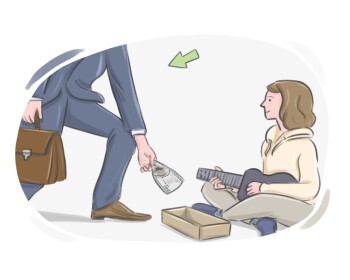
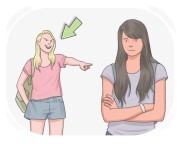
mean
mean
[Adjetivo]

(of a person) behaving in a way that is unkind or cruel

malo, mezquino

malo, mezquino

Ex: The mean girl spread rumors about her classmates to make herself feel superior. 
poor
poor
[Adjetivo]

owning a very small amount of money or a very small number of things

pobre

pobre

Ex: He wanted to help the poor family who were struggling to afford basic necessities like food and clothing. 
rich
rich
[Adjetivo]

owning a great amount of money or things that cost a lot

rico, adinerado

rico, adinerado

Ex: He invested wisely and became incredibly rich. 
thousand
thousand
[Numeral]

the number 1 followed by 3 zeros

mil

mil

Ex: The ancient manuscript was estimated to be over a thousand years old, preserving the wisdom of generations. 
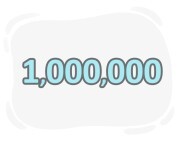
million
million
[Numeral]

the number 1 followed by 6 zeros

millón

millón

Ex: The lottery winner couldn't believe their luck as they held a million-dollar check in their hands. 
LanGeek
Descargar la aplicación LanGeek