pattern

Kniha Total English - Začátečník - Jednotka 9 - Odkaz

Zde najdete slovní zásobu z jednotky 9 - Odkaz v učebnici Total English Starter, jako "ušetřit", "noviny", "půjčit si" atd.

Revize

Kartičky

tvary

Pravopis

Kvíz
Začněte se učit
Total English - Starter
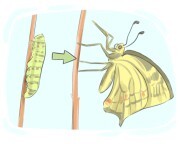
to become
to become
[sloveso]

to start or grow to be

stát se,  stát se

stát se, stát se

Ex: The noise became unbearable during construction .

Hluk se během stavby stal nesnesitelným.

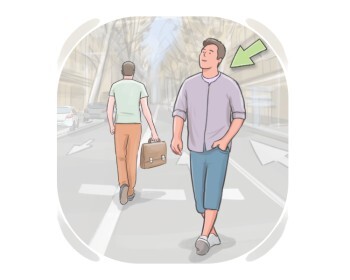
to buy
to buy
[sloveso]

to get something in exchange for paying money

koupit
koupit

Ex: Did you remember to buy tickets for the concert this weekend ?

Pamatoval sis na koupi lístků na koncert tento víkend?

to come
to come
[sloveso]

to move toward a location that the speaker considers to be close or relevant to them

přijít, dorazit

přijít, dorazit

Ex: They came to the park to play soccer.

Přišli do parku hrát fotbal.

to do
to do
[sloveso]

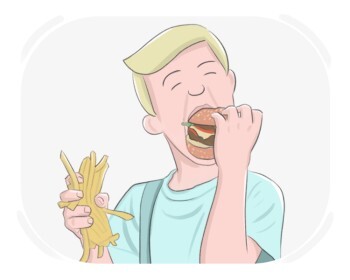
to perform an action that is not mentioned by name

dělat, provádět
dělat, provádět

Ex: Is there anything that I can do for you?

Je něco, co pro vás mohu udělat?

to eat
to eat
[sloveso]

to put food into the mouth, then chew and swallow it

jíst

jíst

Ex: The kids were so hungry after playing outside that they could n't wait to eat dinner .

Děti byly po hraní venku tak hladové, že se nemohly dočkat, až sní večeři.

to find
to find
[sloveso]

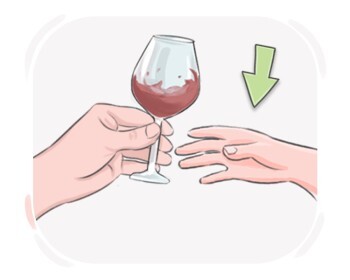
to search and discover something or someone that we have lost or do not know the location of

najít, objevit
najít, objevit

Ex: We found the book we were looking for on the top shelf.

Našli jsme knihu, kterou jsme hledali, na horní polici.

to get
to get
[sloveso]

to receive or come to have something

dostávat, získat
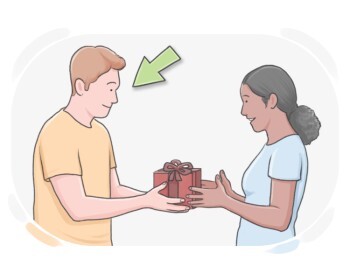
dostávat, získat

Ex: The children got toys from their grandparents .

Děti dostaly hračky od svých prarodičů.

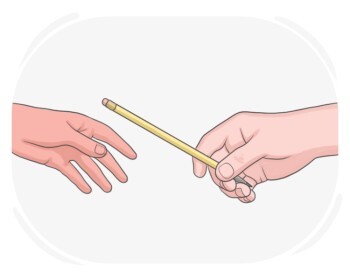
to give
to give
[sloveso]

to hand a thing to a person to look at, use, or keep

dát, předat
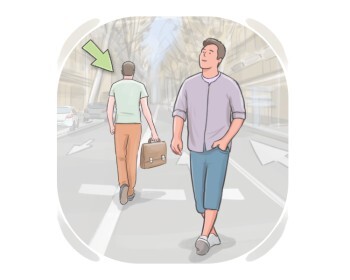
dát, předat

Ex: Can you give me the scissors to cut this paper ?

Můžeš mi dát nůžky, abych mohl rozstřihnout tento papír?

to go
to go
[sloveso]

to travel or move from one location to another

jít, pohybovat se
jít, pohybovat se

Ex: Does this train go to the airport?

Jede tento vlak na letiště?

to have
to have
[sloveso]

to hold or own something

mít, vlastnit

mít, vlastnit

Ex: He has a Bachelor 's degree in Computer Science .

Má bakalářský titul v oboru informatika.

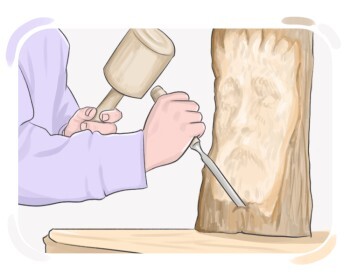
to make
to make
[sloveso]

to form, produce, or prepare something, by putting parts together or by combining materials

vyrábět, tvořit

vyrábět, tvořit

Ex: By connecting the wires , you make the circuit and allow electricity to flow .

Připojením vodičů vytvoříte obvod a umožníte průtok elektřiny.

to read
to read
[sloveso]

to look at written or printed words or symbols and understand their meaning

číst, čtení
číst, čtení

Ex: Can you read the sign from this distance ?

Můžete přečíst značku z této vzdálenosti?

to say
to say
[sloveso]

to use words and our voice to show what we are thinking or feeling

říkat, mluvit
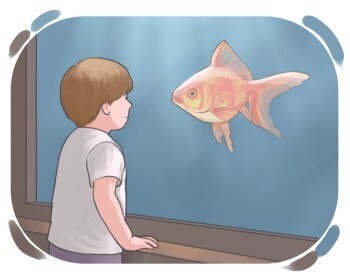
říkat, mluvit

Ex: They said they were sorry for being late .

Řekli, že se omlouvají za zpoždění.

to see
to see
[sloveso]

to notice a thing or person with our eyes

vidět, všimnout si
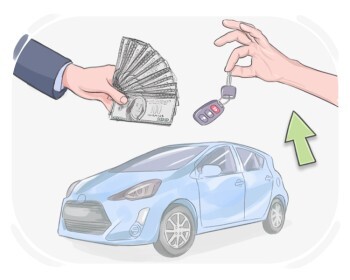
vidět, všimnout si

Ex: They saw a flower blooming in the garden.

Viděli květinu rozkvétat v zahradě.

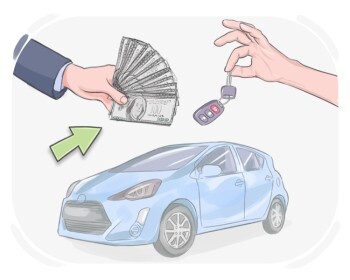
to sell
to sell
[sloveso]

to give something to someone in exchange for money

prodat, obchodovat

prodat, obchodovat

Ex: The company plans to sell its new product in international markets .

Společnost plánuje prodat svůj nový produkt na mezinárodních trzích.

to speak
to speak
[sloveso]

to use one's voice to express a particular feeling or thought

mluvit, vyjadřovat
mluvit, vyjadřovat

Ex: I had to speak in a softer tone to convince her .

Musel jsem mluvit jemnějším tónem, abych ji přesvědčil.

to spend
to spend
[sloveso]

to use money as a payment for services, goods, etc.

utrácet, vydávat
utrácet, vydávat

Ex: She does n't like to spend money on things she does n't need .

Ona nerada utrácí peníze za věci, které nepotřebuje.

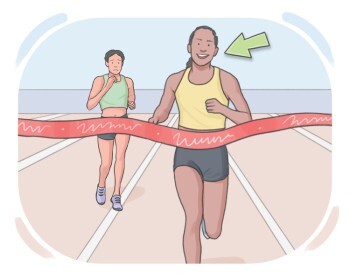
to win
to win
[sloveso]

to become the most successful, the luckiest, or the best in a game, race, fight, etc.

vyhrát, zvítězit
vyhrát, zvítězit

Ex: They won the game in the last few seconds with a spectacular goal .

Vyhráli hru v posledních sekundách s úžasným gólem.

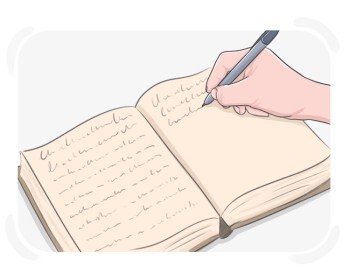
to write
to write
[sloveso]

to make letters, words, or numbers on a surface, usually on a piece of paper, with a pen or pencil

psát
psát

Ex: Can you write a note for the delivery person ?

Můžete napsat vzkaz pro doručovatele?

to borrow
to borrow
[sloveso]

to use or take something belonging to someone else, with the idea of returning it

půjčit si, vypůjčit si

půjčit si, vypůjčit si

Ex: Instead of buying a lawnmower , he chose to borrow one from his neighbor for the weekend .

Místo nákupu sekačky na trávu se rozhodl si jednu na víkend půjčit od souseda.

to earn
to earn
[sloveso]

to get money for the job that we do or services that we provide

vydělávat, získat

vydělávat, získat

Ex: With his new job , he will earn twice as much .

S novou prací bude vydělávat dvakrát tolik.

to invest
to invest
[sloveso]

to spend money or resources with the intention of gaining a future advantage or return

investovat, umístit
investovat, umístit

Ex: Right now , many people are actively investing in cryptocurrencies .

Právě teď mnoho lidí aktivně investuje do kryptoměn.

to lend
to lend
[sloveso]

to give someone something, like money, expecting them to give it back after a while

půjčit, vypůjčit

půjčit, vypůjčit

Ex: He agreed to lend his car to his friend for the weekend .

Souhlasil, že svému příteli na víkend půjčí své auto.

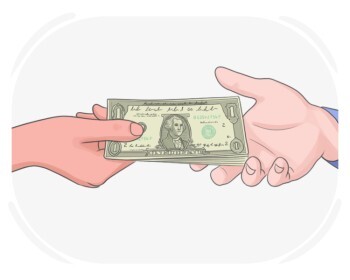
to pay
to pay
[sloveso]

to give someone money in exchange for goods or services

platit, odměnit
platit, odměnit

Ex: He paid the taxi driver for the ride to the airport .

Zaplatil taxikáři za jízdu na letiště.

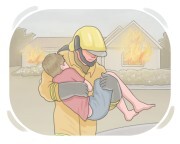
to save
to save
[sloveso]

to keep someone or something safe and away from harm, death, etc.

zachránit, chránit
zachránit, chránit

Ex: The scientist 's discovery may save countless lives in the future .

Objev vědce může v budoucnu zachránit nespočet životů.

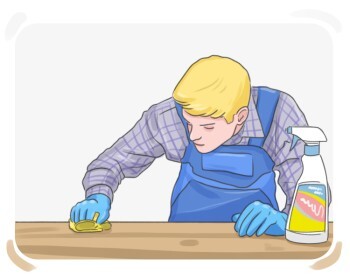
to clean
to clean
[sloveso]

to make something have no bacteria, marks, or dirt

čistit, mýt

čistit, mýt

Ex: We always clean the bathroom to keep it hygienic .

Vždy čistíme koupelnu, abychom ji udrželi hygienickou.

to tidy
to tidy
[sloveso]

to organize a place and put things where they belong

uklidit, uspořádat

uklidit, uspořádat

Ex: It only took a few minutes to tidy the garden by trimming the hedges and clearing away the fallen leaves .

Trvalo to jen pár minut, než se zahrada uklidila zastřižením živého plotu a odstraněním spadaného listí.

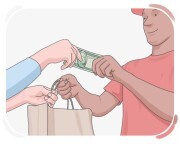
to deliver
to deliver
[sloveso]

to bring and give a letter, package, etc. to a specific person or place

doručit, rozvážet
doručit, rozvážet

Ex: Right now , the delivery person is actively delivering parcels to various addresses .

Právě teď doručovatel aktivně doručuje balíky na různé adresy.

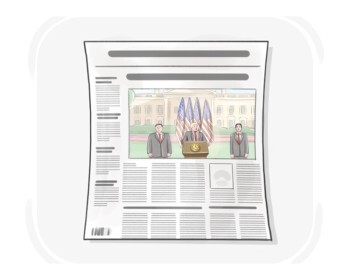
newspaper
newspaper
[Podstatné jméno]

a set of large folded sheets of paper with lots of stories, pictures, and information printed on them about things like sport, politic, etc., usually issued daily or weekly

noviny, deník

noviny, deník

Ex: The newspaper has an entertainment section with movie reviews and celebrity news .

Noviny mají zábavní rubriku s recenzemi filmů a zprávami o celebritách.

to help
to help
[sloveso]

to give someone what they need

pomáhat, podporovat
pomáhat, podporovat

Ex: He helped her find a new job .

Pomohl jí najít novou práci.

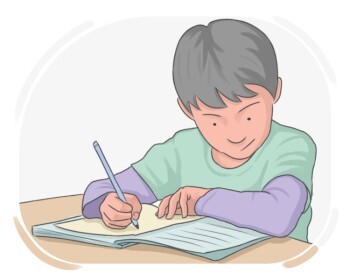
homework
homework
[Podstatné jméno]

schoolwork that students have to do at home

domácí úkol, domácí práce

domácí úkol, domácí práce

Ex: We use textbooks and online resources to help us with our homework.

Používáme učebnice a online zdroje, které nám pomáhají s domácími úkoly.

to look after
to look after
[sloveso]

to take care of someone or something and attend to their needs, well-being, or safety

pečovat o, starat se o

pečovat o, starat se o

Ex: The company looks after its employees by providing them with a safe and healthy work environment .

Společnost pečuje o své zaměstnance tím, že jim poskytuje bezpečné a zdravé pracovní prostředí.

neighbor
neighbor
[Podstatné jméno]

someone who is living next to us or somewhere very close to us

soused, sousedka

soused, sousedka

Ex: The new neighbor has moved in next door with her three kids .

Nový soused se přistěhoval vedle se svými třemi dětmi.

to stack
to stack
[sloveso]

to arrange items on top of each other in large quantities

hromadit, skládat

hromadit, skládat

Ex: The construction workers often stack bricks one on top of the other to build walls .

Stavební dělníci často skládají cihly na sebe, aby postavili zdi.

shelf
shelf
[Podstatné jméno]

a flat, narrow board made of wood, metal, etc. attached to a wall, to put items on

polička, regál

polička, regál

Ex: We need to buy brackets to support the heavy shelf for the garage .

Potřebujeme koupit držáky, abychom podepřeli těžkou polici v garáži.

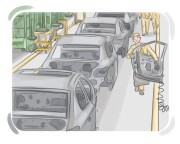
factory
factory
[Podstatné jméno]

a building or set of buildings in which products are made, particularly using machines

továrna, závod
továrna, závod

Ex: She toured the factory to see how the products were made .

Prohlédla si továrnu, aby viděla, jak se výrobky vyrábějí.

part-time
part-time
[Přídavné jméno]

done only for a part of the working hours

částečný úvazek, na částečný úvazek

částečný úvazek, na částečný úvazek

Ex: The museum employs several part-time guides during the tourist season .

Muzeum během turistické sezóny zaměstnává několik částečných úvazků průvodců.

broke
broke
[Přídavné jméno]

having little or no financial resources

na mizině, bez halíře

na mizině, bez halíře

Ex: We're broke this month because of the rent.

Jsme tento měsíc na mizině kvůli nájmu.

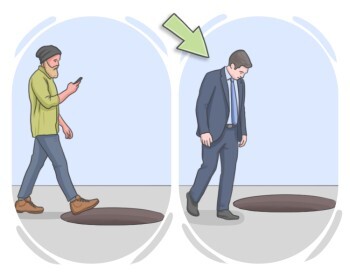
careful
careful
[Přídavné jméno]

giving attention or thought to what we are doing to avoid doing something wrong, hurting ourselves, or damaging something

opatrný, pečlivý

opatrný, pečlivý

Ex: We have to be careful not to overwater the plants .

Musíme být opatrní, abychom rostliny nepřelévali.
careless
careless
[Přídavné jméno]

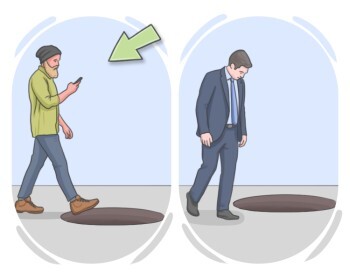
not paying enough attention to what we are doing

nedbalý, neopatrný

nedbalý, neopatrný

Ex: The careless driver ran a red light .

Nedbalý řidič projel na červenou.

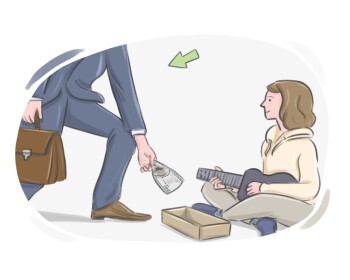
generous
generous
[Přídavné jméno]

having a willingness to freely give or share something with others, without expecting anything in return

štědrý,  velkorysý

štědrý, velkorysý

Ex: They thanked her for the generous offer to pay for the repairs .

Poděkovali jí za štědrý návrh zaplatit opravy.
mean
mean
[Přídavné jméno]

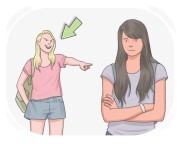
(of a person) behaving in a way that is unkind or cruel

zlý, krutý

zlý, krutý

Ex: The mean neighbor complained about trivial matters just to cause trouble .

Zlomyslný soused si stěžoval na triviální záležitosti, jen aby způsobil potíže.

poor
poor
[Přídavné jméno]

owning a very small amount of money or a very small number of things

chudý, potřebný

chudý, potřebný

Ex: Unforunately , the poor elderly couple relied on government assistance to cover their expenses .

Bohužel, chudý starší pár se spoléhal na vládní pomoc, aby pokryl své výdaje.

rich
rich
[Přídavné jméno]

owning a great amount of money or things that cost a lot

bohatý, majetný
bohatý, majetný

Ex: The rich philanthropist sponsored scholarships for underprivileged students .

Bohatý filantrop sponzoroval stipendia pro znevýhodněné studenty.

thousand
thousand
[Číslovka]

the number 1 followed by 3 zeros

tisíc, tisícovka

tisíc, tisícovka

Ex: They embarked on a road trip , driving through picturesque landscapes for a journey of a thousand miles .

Vydali se na cestu, projížděli malebnými krajinami na cestu dlouhou tisíc mil.
million
million
[Číslovka]

the number 1 followed by 6 zeros

milion

milion

Ex: The author 's best-selling novel sold over a million copies worldwide , captivating readers across cultures .

Autorův nejprodávanější román se po celém světě prodal ve více než milionu výtiscích a okouzlil čtenáře z různých kultur.

LanGeek
Stáhnout aplikaci LanGeek