
C2 Szintű Szólista - Állatok
Itt megtanulod az állatokról való beszédhez szükséges összes alapvető szót, amelyeket kifejezetten C2 szintű tanulók számára gyűjtöttek össze.
Áttekintés
Villámkártyák
Betűzés
Kvíz


(of an animal) active during the twilight hours of dawn and dusk

szürkületi, esti
A madárfigyelők hajnalban gyűltek össze a természetvédelmi területen, remélve, hogy megpillanthatják a szürkületi baglyokat, amint visszatérnek fészkükhöz.
producing eggs that develop and hatch outside the body
tojó, tojást rakó
A hüllők, például a teknősök és a kígyók, tojólékonyak, az embriók a anyatestén kívül fejlődnek ki a tojásokban.
of or relating to monkeys or apes
majomszerű, majom-
A gyerek csintalan mosolya és fürge mozdulatai a természetfilmekben látott majom-bolondozásra emlékeztették.
(of animals) adapted to or living high in trees, rather than on the ground
fán élő, fákban lakó
Fürge fán élő hüllőkként a trópusi erdők sok gyíkfaja hosszú farokkal és megragadásra alkalmazkodott végtagokkal rendelkezik, hogy hatékonyan tudjon átjutni az ágak rétegzett gubancain.
relating to or denoting animals that regulate their body temperature by external sources, such as the surrounding environment
ektoterm, hidegvérű
A teknősök, mivel ektotermikusak, gyakran napoznak, hogy emeljék testhőmérsékletüket.
having characteristics, appearance, or behavior similar to a horse
lószerű, lóhoz hasonló
Hosszú, keskeny arcának lószerű profilja volt.
feeding primarily on fish
halevő, főleg halakkal táplálkozó
A halevő emlősök, például a fókák és a delfinek, főleg halból álló étrendre támaszkodnak.
related to or living on land, rather than in the sea or air
szárazföldi, kontinentális
Míg a delfinek és a bálnák uralják az óceánokat, az oroszlánok és az elefántok a szárazföldi élőhelyek királyai közé tartoznak.
brought from a wild state under human control or accustomed to humans
szelídített, szelíd
A hajdan vad ló szelíd lett a gyengéd edzés után.
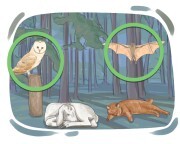
(of animals or organisms) primarily active during the night
éjszakai
A denevérek éjszakai lények, nappal alszanak és napnyugta után válnak aktívvá.
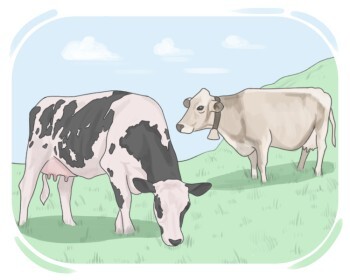
relating to or characteristic of cows or cattle
marha-, szarvasmarhával kapcsolatos
A szarvasmarha genetikai kutatás célja a szarvasmarhák kívánatos tulajdonságainak javítása a termelékenység növelése érdekében.
relating to or characteristic of birds
madár-, a madarakkal kapcsolatos
Az állatkert lenyűgöző gyűjteményt mutat be a világ minden tájáról származó madárfajokból.
(of animals) giving birth to developed babies instead of laying eggs
elevenszülő
Sok emlős, köztük az ember is, elevenszülő, és a méhlepényen keresztül biztosítja tápanyagot fejlődő utódjának.
primarily active or occurring during the daytime
nappali, nappal aktív
A nappali állatok, például a mókusok és a szarvasok, gyakran láthatók nappal, amint táplálékot keresnek és kölcsönhatásba lépnek természetes élőhelyükön.
(of an animal) giving birth to live offspring that have developed from eggs inside the mother's body
tojásélősködő, tojásélősködő
Néhány kígyó ovovivipar, ami azt jelenti, hogy a tojásokat belül kotlik ki.
feeding on or adapted to a diet that consists primarily or exclusively of insects
rovarevő, rovarokkal táplálkozó
A rovarász növények, mint a Vénusz légycsapója, rovarokat fogják be és emésztenek el tápanyagforrásként.
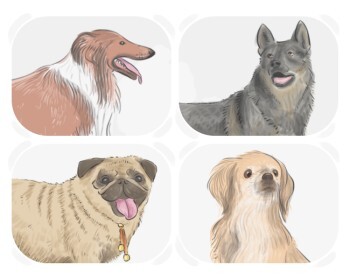
a member of the dog family, including domestic dogs, wolves, foxes, and related animals
kutya, kutyaféle
Éles szaglásukkal sok kutyaféle fajt, például vérebeket, használnak eltűnt személyek és állatok nyomon követésére.
a summer hibernation for animals to conserve energy during hot and dry conditions
nyári álom, estiváció
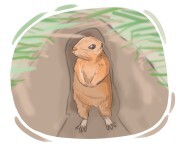
a hole that an animal digs in the ground to use as a shelter
odú, lyuk
A prérikutya kiterjedt odú-rendszerekben él, amelyek védelmet nyújtanak a ragadozókkal és a zord időjárással szemben.
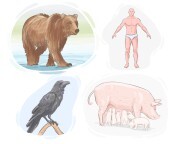
an animal that eats both plant and animal matter
mindenevő, omnivor
A sertéseket mindenevőknek tekintik, mert gyökereket és kis állatokat esznek.
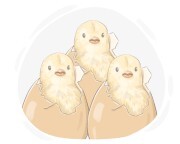
all the young of a bird hatched at the same time, or the young of an animal cared for together
fészekalja, utódok
A kacsa fiókái egy szabályos sorban követték, miközben a tó biztonságához vezette őket.
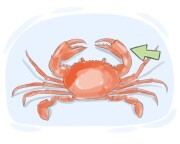
any of the sharp curved organs of an arthropod or insect, such as a crab, lobster, etc.
olló, fogó
A homár ollói félelmetesek voltak, mind a zsákmány vadászatára, mind a ragadozók elriasztására használták.
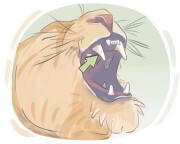
a long, pointed tooth found in carnivorous animals, used for biting, gripping, and tearing flesh
agyar, éles fogak
A farkasok megmutatják agyarukat, hogy elijesszék a riválisokat.
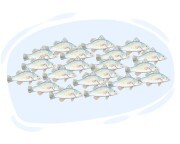
a large number of fish swimming together
raj, halraj
A delfineket gyakran látják, ahogy halrajokat hajtanak, együtt dolgoznak, hogy körülvegyék zsákmányukat a könnyű fogás érdekében.
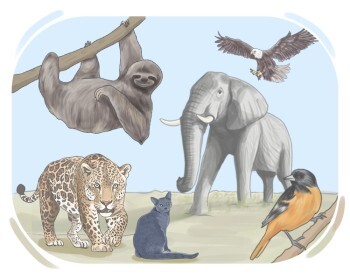
the animals of a particular geological period or region
fauna, állatok
A tengerbiológus a korallzátony faunáját tanulmányozta, dokumentálva a halak, korallok és rákok különféle fajtait.
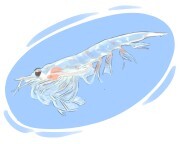
microscopic animals that float in bodies of water, serving as an important food source for many aquatic organisms
zooplankton, állati plankton
Az oceanográfusok specializált hálókat használnak a zooplankton minták gyűjtésére kutatási célokra, lehetővé téve számukra a populációs dinamika és az eloszlási minták tanulmányozását.
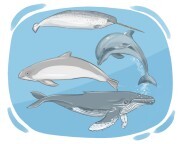
a marine mammal that belongs to the group known as Cetacea, which comprises whales, dolphins, and porpoises
cet, tengeri emlős
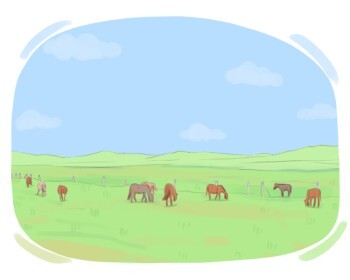
(of sheep, cows, etc.) to feed on the grass in a field
legel, legeltet
A tehenek nyugodtan legelésztek a legelőn a meleg napfényben.
the skin of an animal with the fur, wool, or hair still covering it
bőr, prém
A szőrmekereskedők magas minőségű hódok és vidrák bőrét keresték, hogy ellássák a jövedelmező szőrmekereskedelem 19. századi igényeit.
