

pattern

C2 Woordenlijst - Dieren

Hier leer je alle essentiële woorden om over Dieren te praten, speciaal verzameld voor C2-niveau leerlingen.

Herzien

Flashcards

vormen

Spelling

Quiz

Begin met leren
CEFR C2 Vocabulary
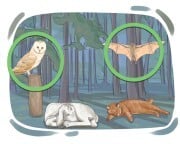
crepuscular
crepuscular
[bijvoeglijk naamwoord]

(of an animal) active during the twilight hours of dawn and dusk

schemerachtig, avondlijk

schemerachtig, avondlijk

Ex: The crepuscular deer emerged from the forest as the sun began to set, grazing peacefully in the meadow. 
Sluiten
Inloggen
oviparous
oviparous
[bijvoeglijk naamwoord]

producing eggs that develop and hatch outside the body

ovipaar, eierleggend

ovipaar, eierleggend

Ex: Birds are oviparous, laying eggs that incubate externally until hatching. 
Sluiten
Inloggen
simian
simian
[bijvoeglijk naamwoord]

of or relating to monkeys or apes

aapachtig, apen-

aapachtig, apen-

Ex: The scientist observed simian behavior in the primate research facility, noting similarities in social interactions and communication among the monkeys. 
Sluiten
Inloggen
arboreal
arboreal
[bijvoeglijk naamwoord]

(of animals) adapted to or living high in trees, rather than on the ground

boom bewonend, in bomen levend

boom bewonend, in bomen levend

Ex: Arboreal snakes like green tree pythons can expertly maneuver through foliage and ascend even the tallest tree trunks to hunt small birds and mammals. 
Sluiten
Inloggen
ectothermic
ectothermic
[bijvoeglijk naamwoord]

relating to or denoting animals that regulate their body temperature by external sources, such as the surrounding environment

ectotherm, koudbloedig

ectotherm, koudbloedig

Ex: Snakes are ectothermic animals, relying on the warmth of their surroundings to regulate their body temperature. 
Sluiten
Inloggen
equine
equine
[bijvoeglijk naamwoord]

having characteristics, appearance, or behavior similar to a horse

paardachtig, paardelijk

paardachtig, paardelijk

Ex: The veterinarian specializes in equine mThe dancer moved with equine grace across the stage.edicine, providing healthcare services for horses. 
Sluiten
Inloggen
piscivorous
piscivorous
[bijvoeglijk naamwoord]

feeding primarily on fish

visetend, voornamelijk vis etend

visetend, voornamelijk vis etend

Ex: The osprey is a piscivorous bird, known for its exceptional fishing skills. 
Sluiten
Inloggen
terrestrial
terrestrial
[bijvoeglijk naamwoord]

related to or living on land, rather than in the sea or air

terrestrisch, continentaal

terrestrisch, continentaal

Ex: The exploration team is studying both marine and terrestrial ecosystems on the island. 
Sluiten
Inloggen
tame
tame
[bijvoeglijk naamwoord]

brought from a wild state under human control or accustomed to humans

getemd, tam

getemd, tam

Ex: The lion was surprisingly tame after years in captivity. 
Sluiten
Inloggen
nocturnal
nocturnal
[bijvoeglijk naamwoord]

(of animals or organisms) primarily active during the night

nachtactief

nachtactief

Ex: The zoo had a special exhibit featuring nocturnal animals, with dim lighting to mimic their natural environment. 
Sluiten
Inloggen
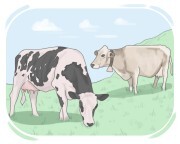
bovine
bovine
[bijvoeglijk naamwoord]

relating to or characteristic of cows or cattle

rundvee-, met betrekking tot vee

rundvee-, met betrekking tot vee

Ex: The pastoral scene featured a group of bovine creatures peacefully grazing in the meadow. 
Sluiten
Inloggen
avian
avian
[bijvoeglijk naamwoord]

relating to or characteristic of birds

vogel-, met betrekking tot vogels

vogel-, met betrekking tot vogels

Ex: Ornithologists study avian behavior and migratory patterns to understand bird species. 
Sluiten
Inloggen
viviparous
viviparous
[bijvoeglijk naamwoord]

(of animals) giving birth to developed babies instead of laying eggs

levendbarend

levendbarend

Ex: Unlike most fish, the guppy is viviparous, giving birth to live young rather than laying eggs. 
Sluiten
Inloggen
diurnal
diurnal
[bijvoeglijk naamwoord]

primarily active or occurring during the daytime

dagactief, overdag actief

dagactief, overdag actief

Ex: Most birds are diurnal, chirping and foraging for food as soon as the sun rises. 
Sluiten
Inloggen
ovoviviparous
ovoviviparous
[bijvoeglijk naamwoord]

(of an animal) giving birth to live offspring that have developed from eggs inside the mother's body

ovovivipaar, ovovivipaar

ovovivipaar, ovovivipaar

Ex: The scientist studied the reproductive habits of ovoviviparous animals. 
Sluiten
Inloggen
insectivorous
insectivorous
[bijvoeglijk naamwoord]

feeding on or adapted to a diet that consists primarily or exclusively of insects

insectenetend, die zich voedt met insecten

insectenetend, die zich voedt met insecten

Ex: Bats are often considered insectivorous mammals, as they primarily consume insects during their nightly hunts. 
Sluiten
Inloggen
canine
canine
[zelfstandig naamwoord]

a member of the dog family, including domestic dogs, wolves, foxes, and related animals

hond, canide

hond, canide

Ex: The German Shepherd, a popular canine breed, is often employed in police work due to its intelligence and loyalty. 
Sluiten
Inloggen
estivation
estivation
[zelfstandig naamwoord]

a summer hibernation for animals to conserve energy during hot and dry conditions

estivatie, zomerslaap

estivatie, zomerslaap

Ex: The desert tortoise undergoes estivation to survive the intense summer heat. 
Sluiten
Inloggen
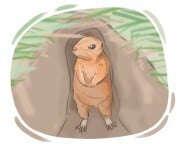
burrow
burrow
[zelfstandig naamwoord]

a hole that an animal digs in the ground to use as a shelter

hol, warren

hol, warren

Ex: The rabbit disappeared into its burrow, seeking refuge from the approaching storm. 
Sluiten
Inloggen
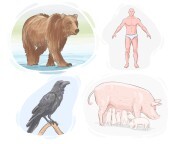
omnivore
omnivore
[zelfstandig naamwoord]

an animal that eats both plant and animal matter

omnivoor, alleseter

omnivoor, alleseter

Ex: Bears are omnivores, consuming berries as well as fish. 
Sluiten
Inloggen
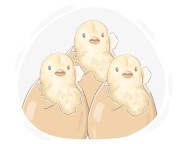
brood
brood
[zelfstandig naamwoord]

all the young of a bird hatched at the same time, or the young of an animal cared for together

broedsel, nakomelingen

broedsel, nakomelingen

Ex: The mother hen clucked softly to her brood of chicks, guiding them to a patch of grass for foraging. 
Sluiten
Inloggen
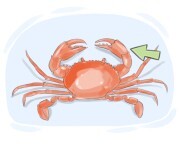
pincer
pincer
[zelfstandig naamwoord]

any of the sharp curved organs of an arthropod or insect, such as a crab, lobster, etc.

schaar, knijper

schaar, knijper

Ex: The crab scuttled across the sand, its powerful pincers snapping defensively at any perceived threat. 
Sluiten
Inloggen
fang
fang
[zelfstandig naamwoord]

a long, pointed tooth found in carnivorous animals, used for biting, gripping, and tearing flesh

hoektanden, slagtanden

hoektanden, slagtanden

Ex: The lion's sharp fangs help it catch and kill prey. 
Sluiten
Inloggen
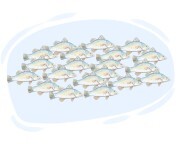
shoal
shoal
[zelfstandig naamwoord]

a large number of fish swimming together

school, schare

school, schare

Ex: As the fishermen approached, they noticed a massive shoal of shimmering sardines swirling beneath the surface of the water. 
Sluiten
Inloggen
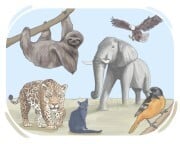
fauna
fauna
[zelfstandig naamwoord]

the animals of a particular geological period or region

fauna, dieren

fauna, dieren

Ex: Exploring the lush forest, we encountered a remarkable fauna of colorful birds, elusive mammals, and vibrant insects. 
Sluiten
Inloggen
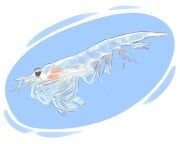
zooplankton
zooplankton
[zelfstandig naamwoord]

microscopic animals that float in bodies of water, serving as an important food source for many aquatic organisms

zoöplankton, dierlijk plankton

zoöplankton, dierlijk plankton

Ex: Zooplankton are an essential component of marine ecosystems, comprising a diverse array of tiny organisms such as copepods, krill, and jellyfish. 
Sluiten
Inloggen
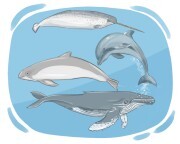
cetacean
cetacean
[zelfstandig naamwoord]

a marine mammal that belongs to the group known as Cetacea, which comprises whales, dolphins, and porpoises

walvisachtige, zeezoogdier dat behoort tot de orde van de walvisachtigen

walvisachtige, zeezoogdier dat behoort tot de orde van de walvisachtigen

Ex: Cetaceans, including whales, dolphins, and porpoises, are a group of marine mammals adapted for life in the ocean. 
Sluiten
Inloggen
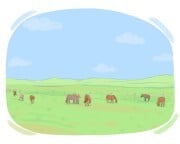
to graze
to graze
[werkwoord]

(of sheep, cows, etc.) to feed on the grass in a field

grazen, weiden

grazen, weiden

Ex: The sheep were allowed to graze freely in the meadow. 
Sluiten
Inloggen
pelt
pelt
[zelfstandig naamwoord]

the skin of an animal with the fur, wool, or hair still covering it

vel, vacht

vel, vacht

Ex: The hunter proudly displayed the pelt of the wolf he had captured, its thick fur a testament to its strength and resilience. 
Sluiten
Inloggen
LanGeek
LanGeek app downloaden