
Listahan ng mga Salita sa Antas C2 - Mga Hayop
Dito mo matututunan ang lahat ng mahahalagang salita para sa pagsasalita tungkol sa Mga Hayop, na partikular na kinolekta para sa mga mag-aaral ng antas C2.
Repasuhin
Flashcards
Pagbaybay
Pagsusulit


(of an animal) active during the twilight hours of dawn and dusk

takipsilim, gabing aktibo
Ang crepuscular na usa ay lumabas mula sa kagubatan habang ang araw ay nagsisimulang lumubog, tahimik na nagpapastol sa parang.
producing eggs that develop and hatch outside the body
oviparous, nangingitlog
Ang mga ibon ay oviparous, naglalabas ng mga itlog na pinapisa sa labas hanggang sa pagpisa.
of or relating to monkeys or apes
kaugnay ng unggoy, parang unggoy
Ang siyentipiko ay nagmasid ng unggoy na pag-uugali sa pasilidad ng pananaliksik ng primate, na napansin ang mga pagkakatulad sa pakikisalamuha at komunikasyon sa mga unggoy.
(of animals) adapted to or living high in trees, rather than on the ground
arboreal, naninirahan sa mga puno
Maraming species ng unggoy ang nabubuhay sa mga komplikadong tropang panlipunan na naninirahan sa itaas na canopy ng kagubatan bilang mga arboreal na primate.
relating to or denoting animals that regulate their body temperature by external sources, such as the surrounding environment
ektotermiko, malamig ang dugo
Ang mga ahas ay ectothermic na hayop, umaasa sa init ng kanilang paligid upang ayusin ang temperatura ng kanilang katawan.
having characteristics, appearance, or behavior similar to a horse
pang-kabayo, katulad ng kabayo
Ang beterinaryo ay dalubhasa sa medisina ng kabayo, na nagbibigay ng mga serbisyong pangkalusugan para sa mga kabayo.
feeding primarily on fish
kumakain ng isda, pangunahing pagkain ay isda
Ang osprey ay isang piscivorous na ibon, kilala sa pambihirang kasanayan nito sa pangingisda.
related to or living on land, rather than in the sea or air
panlupa, pang-kontinente
Ang pangkat ng eksplorasyon ay nag-aaral ng parehong marine at terrestrial ecosystems sa isla.
brought from a wild state under human control or accustomed to humans
maamo, inamo
Ang falcon ay sinanay upang maging maamo.
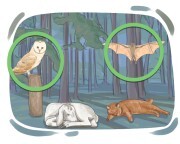
(of animals or organisms) primarily active during the night
pang-gabi
Ang mga paniki ay mga nilalang na nocturnal, natutulog sa araw at nagiging aktibo pagkatapos ng paglubog ng araw.
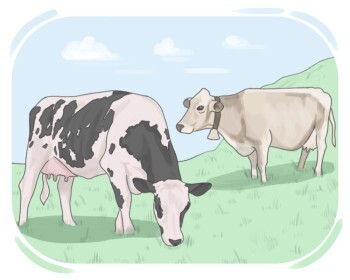
relating to or characteristic of cows or cattle
bovino, kaugnay ng baka
Ang pastoral na tanawin ay nagtatampok ng isang grupo ng mga bovine na nilalang na payapang nanginginain sa parang.
relating to or characteristic of birds
pang-ibon, may kaugnayan sa mga ibon
Ang mga ornithologist ay nag-aaral ng avian na pag-uugali at mga pattern ng paglipat upang maunawaan ang mga species ng ibon.
(of animals) giving birth to developed babies instead of laying eggs
viviparous
Hindi tulad ng karamihan sa mga isda, ang guppy ay viviparous, na nanganganak ng buhay na mga bata sa halip na mangitlog.
primarily active or occurring during the daytime
pang-araw, aktibo sa araw
Karamihan sa mga ibon ay araw-araw, nagsisipag-awit at nangangalap ng pagkain sa pagsikat pa lamang ng araw.
(of an animal) giving birth to live offspring that have developed from eggs inside the mother's body
ovoviviparous, ovoviviparous
Pinag-aralan ng siyentipiko ang mga gawi sa reproduksyon ng mga hayop na ovoviviparous.
feeding on or adapted to a diet that consists primarily or exclusively of insects
insectivorous, kumakain ng insekto
Ang mga paniki ay madalas na itinuturing na insectivorous mammals, dahil pangunahin silang kumakain ng mga insekto sa kanilang pang-gabing pangangaso.
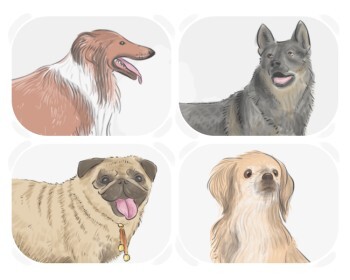
a member of the dog family, including domestic dogs, wolves, foxes, and related animals
aso, canino
Ang German Shepherd, isang tanyag na lahi ng aso, ay kadalasang ginagamit sa trabaho ng pulisya dahil sa kanyang katalinuhan at katapatan.
a summer hibernation for animals to conserve energy during hot and dry conditions
estibasyon, pagtatagal ng init
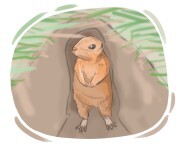
a hole that an animal digs in the ground to use as a shelter
lungga, hukay
Ang kuneho ay nawala sa kanyang hukay, naghahanap ng kanlungan mula sa papalapit na bagyo.
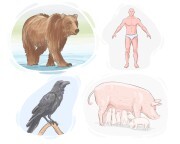
an animal that eats both plant and animal matter
omniboro, hayop na omniboro
Ang mga oso ay omniboro, kumakain ng mga berry pati na rin ng isda.
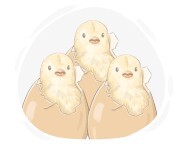
all the young of a bird hatched at the same time, or the young of an animal cared for together
inakay, anak
Ang inahing manok ay malumanay na kumakdak sa kanyang inakay na mga sisiw, na ginagabayan sila patungo sa isang patch ng damo para maghanap ng pagkain.
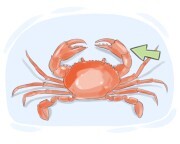
any of the sharp curved organs of an arthropod or insect, such as a crab, lobster, etc.
sipit, pang-ipit
Ang alimango ay mabilis na tumakbo sa buhangin, ang malakas nitong sipit ay kumakagat nang depensibo sa anumang nakikitang banta.
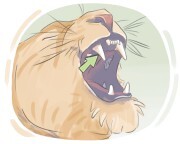
a long, pointed tooth found in carnivorous animals, used for biting, gripping, and tearing flesh
pangil, matulis na ngipin
Ang matatalim na pangil ng leon ay tumutulong dito na mahuli at mapatay ang biktima.
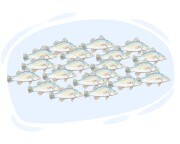
a large number of fish swimming together
puno, kawan
Habang lumalapit ang mga mangingisda, napansin nila ang isang malaking pulutong ng kumikislap na sardinas na umiikot sa ilalim ng tubig.
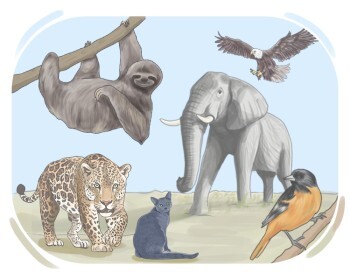
the animals of a particular geological period or region
hayop, fauna
Habang naglalakbay sa luntiang gubat, nakakita kami ng kapansin-pansing fauna ng makukulay na ibon, mailap na mamalya, at masiglang mga insekto.
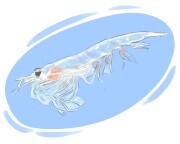
microscopic animals that float in bodies of water, serving as an important food source for many aquatic organisms
zooplankton, hayoplanankton
Ang zooplankton ay isang mahalagang bahagi ng mga marine ecosystem, na binubuo ng iba't ibang maliliit na organismo tulad ng copepods, krill, at jellyfish.
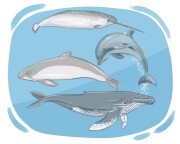
a marine mammal that belongs to the group known as Cetacea, which comprises whales, dolphins, and porpoises
cetacean, hayop-dagat na kabilang sa pangkat na kilala bilang Cetacea
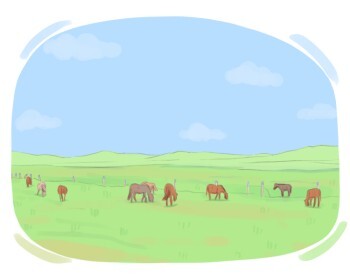
(of sheep, cows, etc.) to feed on the grass in a field
magsabsab, kumain ng damo
Ang mga tupa ay pinahihintulutang magsabsab nang malaya sa parang.
the skin of an animal with the fur, wool, or hair still covering it
balat, balahibo
Ipinagmalaki ng mangangaso ang balat ng lobo na kanyang nahuli, ang makapal na balahibo nito ay patunay sa lakas at tibay nito.
