
Nyelvészet - Írásjelek
Itt megtanulhat néhány angol szót, amelyek a központozáshoz kapcsolódnak, például "aposztróf", "kettőspont" és "három pont".
Ismétlés
Tanulókártyák
Betűzés
Kvíz

the symbol & used in writing to signify the word 'and'

és jel,ampersand
A régi kéziratban gyakran használták az ampersandot a helymegtakarítás érdekében az írásban.
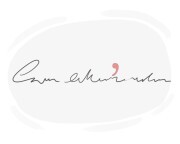
the symbol ' used in writing to show possession or omission of letters or numbers
aposztróf,aposztróf szimbólum
Használjon aposztrófot a birtoklás jelölésére, mint a "Jessica könyve" példájánál.
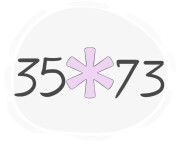
the symbol * used in writing or printing to show that there is more information about something in the footnote or as an indication of importance or omission
csillag,aszteriszk
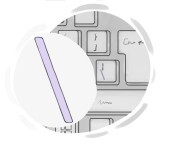
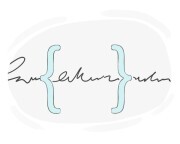
either of the two symbols { } used especially in mathematics or computing to show that the items within are connected together
kapcsos zárójel,zárójel

each of the two symbols [ ] used to indicate that the enclosed numbers or words should be considered separately
zárójel,szögletes zárójel
A szerelők gyakran szögletes zárójeleket [ ] használnak egy idézett nyilatkozat azon részeinek körbevételére, amelyeket az érthetőség kedvéért módosítottak vagy adtak hozzá.
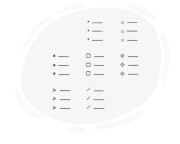
a symbol (•) or short statement used to list or highlight individual items in text
felsorolási jel,listaelem
Minden felsorolási pont a napirenden egy külön témát képviselt.

the punctuation mark : used to introduce a quotation, explanation, or list of items
kettőspont,a kettőspont jel
A idézet helyes formázásához használjon kettőspontot az idézet bevezetéséhez: 'Lenni vagy nem lenni, ez itt a kérdés.'
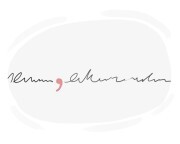
the mark , used to separate items in a list or indicate a pause in a sentence
vessző,központozási jel ,
Egy vesszőt használt a tagmondatok elválasztására az összetett mondatában.
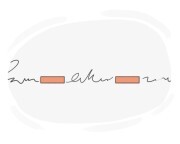
a punctuation mark, such as — or –, used to separate or connect parts of written text
gondolatjel
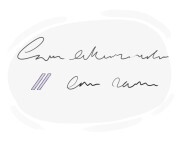
the symbol〃used under a word in a list to show that it is repeated and to avoid writing it down again
a 〃 szimbólum, amelyet egy lista szava alatt használnak annak jelzésére, hogy ismétlődik, és elkerüljék annak újabb leírását,a 〃 jel, amelyet egy szó alá helyeznek annak jelzésére, hogy ismétlődik anélkül, hogy újra le kellene írni
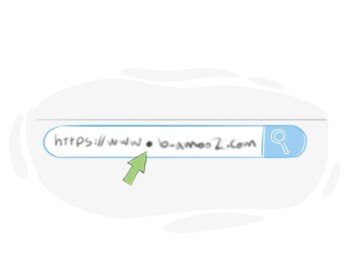
a small round mark, spot, or point
pont, pötty
a small line used to connect words or parts of words
kötőjel,elválasztójel
Hangsúlyozta a kötőjel használatának fontosságát, hogy elkerülje a kétértelműséget olyan kifejezésekben, mint az 'emberevő cápa' szemben az 'ember, aki cápát eszik'.

a symbol in writing or print used to signify something
jel,jelölés
A diakritikus jelek megváltoztatják a kiejtést.

the symbol (.) used to end a declarative sentence or mark an abbreviation
pont,mondatvégi pont
A tanár elmagyarázta, hogyan különbözik egy pont egy vesszőtől.
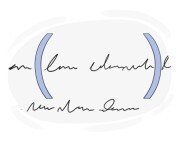
either of the symbols ( ) used in writing to enclose extra information that is given or to group a symbolic unit in logic or mathematics
zárójel,zárójel
A szerző egy pontosítást adott hozzá zárójelben, hogy tovább magyarázza a fogalmat az olvasónak.
the punctuation mark . used to indicate that a sentence or an abbreviation is ended
pont,központ
Mindig ellenőrzi, hogy minden mondat ponttal végződik-e.

the symbol £ used in writing or printing to represent the British unit of currency
font jel,font szimbólum
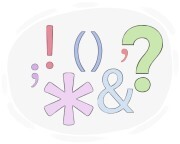
any mark such as a period, comma, brackets, etc., used in writing to divide phrases and sentences and to make them clearly understood
központozó jel,írásjel
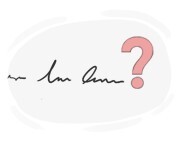
the mark ? used at the end of a sentence to show that it is a question
kérdőjel
A szöveges üzenetekben az emberek gyakran használnak kérdőjelet a kíváncsiság vagy bizonytalanság kifejezésére.

either of the symbols " " or ' ' used before and after a word or words to indicate the beginning and the end of a title or quoted remark, or to mark a jargon
idézőjel,idézetszimbólum
Esszéjében több idézet is szerepelt, amelyeket idézőjelek öveztek.
(plural) another way of saying quotation marks
idézőjel,idézet
Tudományos cikkek írásakor fontos, hogy a forrásokat helyesen idézzük, a kölcsönzött szöveget idézőjelek közé helyezve.

the punctuation mark ; used to separate the items in a list or to indicate a pause between two main clauses in a compound sentence
pontosvessző,semicolon
Egy pontosvessző használható összetett listákban is, ahol az elemek maguk is vesszőket tartalmaznak: például, 'Az értekezleten részt vett John, a vezérigazgató; Jane, a pénzügyi igazgató; és Emily, a működési igazgató.'
the symbol / used in print or writing to indicate alternatives or fractions, etc.
perjel,slash
A recept 1/2 csésze cukrot írt elő, ahol a perjel egy törtet jelöl.
the use of hyphens to connect syllables or words together for clarity or to form compound words
elválasztás,kötőjel
a punctuation symbol used to indicate additional information or a footnote reference in written text
dupla tőr,dupla kereszt
a typographical symbol (∙) used primarily in mathematics and technical notation to represent a binary operation such as multiplication
pont operátor,golyó operátor
Hogy megkülönböztessék a tizedesvesszőtől, egyes matematikusok inkább a golyó operátort használják számításaikban.
a typographical symbol used to indicate a specific section or division within a document, often used in legal or academic contexts to reference a particular part or topic
szakaszjel,paragrafusjel
a single typographical symbol, either the opening or closing angle quotation mark (« or ») used in various languages to indicate quotations or enclose text with a special meaning
szögszerű idézőjel
the symbol @, that is used in email addresses and other forms of electronic communication
kukac,kukacjel
a small, V-shaped symbol often used in mathematics and computer programming to indicate exponentiation, bitwise XOR operations, or to mark insertions or corrections in text
caret szimbólum,beillesztési jel
a punctuation mark that consists of a small dot used to separate or clarify elements within a sentence, such as in decimal numbers, abbreviations, or to indicate word boundaries in some languages
középpont,központozójel
a punctuation mark consisting of three dots that indicates the omission of words or a pause in speech, often used to create suspense, indicate trailing off, or show incomplete thoughts in writing
három pont,ellipszis
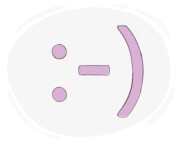
a sign formed by keyboard characters to show the tone of a message or its sender's facial expression, used on social media or in text messages
emotikon,smiley
Az e-mail tartalmazott egy emotikont, amely kacsintott a humor közvetítésére.
a punctuation mark that combines the question mark and exclamation mark, used to express a mixture of surprise and inquiry, or to convey a rhetorical question with emphasis
interrobang,a kérdőjel és a felkiáltójel kombinációja
a punctuation mark that is slightly longer than a hyphen (-) and is used to indicate a range or connection between two elements, such as dates, times, or numbers, it is also used to show contrast or connection between words or phrases
en kötőjel,félkövér kötőjel
a punctuation mark that is longer than both a hyphen (-) and an en dash (–)
hosszú kötőjel,em kötőjel
a punctuation mark used to set off nonessential or supplementary information within a sentence, indicating a slight pause or separation of the parenthetical element from the rest of the sentence
zárójeles vessző,beillesztett vessző
a comma used before the conjunction, usually "and" or "or", in a list of three or more items, providing clarity and avoiding ambiguity
soros vessző,Oxford vessző
a punctuation mark consisting of two parallel horizontal lines used to enclose quoted or cited material
idézőjel,dupla idézőjel
a punctuation mark consisting of a curved or slanted line used to enclose quoted or cited material within a larger quotation or to indicate a word or phrase as being ironic, unconventional, or used in a specialized sense
egyszeres idézőjel,aposztróf
a typographical symbol (†) used to indicate a footnote, annotation, or cross-reference in printed text
keresztjel,lábjegyzetjel
Egy keresztjel használatával jelölték meg a hivatkozást a táblázatban.
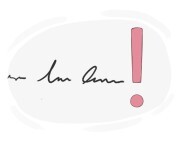
the mark ! used after a sentence to indicate excitement, surprise, etc.
felkiáltójel,kiáltójel
Egy felkiáltójelet tett a szöveg végére, hogy hangsúlyozza izgatottságát.
