
Lingüística - Puntuación
Aquí aprenderás algunas palabras en inglés relacionadas con la puntuación como "apóstrofe", "dos puntos" y "puntos suspensivos".
Revisión
Tarjetas de memoria
Ortografía
Cuestionario
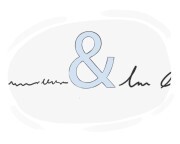
the symbol & used in writing to signify the word 'and'

signo &, ampersand
El letrero de la librería muestra prominentemente un ampersand para conectar los dos géneros principales en los que se especializa.
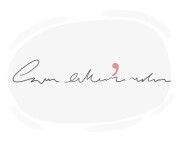
the symbol ' used in writing to show possession or omission of letters or numbers
apóstrofo
El apóstrofe en "it's" lo distingue de "its", que es posesivo.
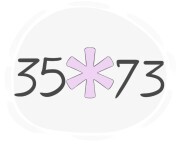
the symbol * used in writing or printing to show that there is more information about something in the footnote or as an indication of importance or omission
asterisco
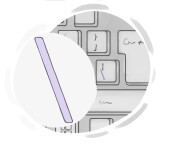
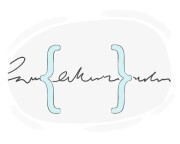
either of the two symbols { } used especially in mathematics or computing to show that the items within are connected together
llave
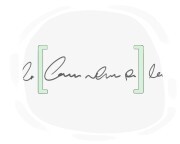
each of the two symbols [ ] used to indicate that the enclosed numbers or words should be considered separately
corchete
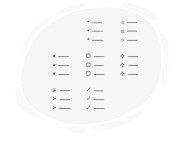
a symbol (•) or short statement used to list or highlight individual items in text
viñeta
Ella organizó sus notas en puntos de viñeta claros.
the punctuation mark : used to introduce a quotation, explanation, or list of items
dos puntos
Para formatear correctamente la cita, use dos puntos para introducir la cita: 'Ser o no ser, esa es la cuestión.'
the mark , used to separate items in a list or indicate a pause in a sentence
coma
La coma en la dirección ayudó a evitar confusiones al enviar la carta.
a punctuation mark, such as — or –, used to separate or connect parts of written text
guion
the symbol〃used under a word in a list to show that it is repeated and to avoid writing it down again
comillas
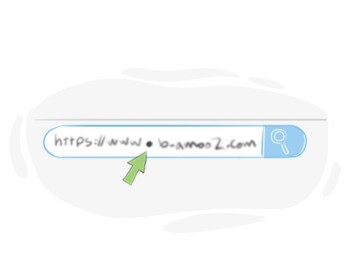
a small line used to connect words or parts of words
guion
Al escribir fracciones, a menudo se usa un guión para separar el numerador del denominador, como en 'tres cuartos'.

a symbol in writing or print used to signify something
marca
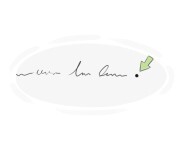
the symbol (.) used to end a declarative sentence or mark an abbreviation
punto
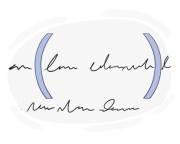
either of the symbols ( ) used in writing to enclose extra information that is given or to group a symbolic unit in logic or mathematics
paréntesis
Ella incluyó un chiste entre paréntesis al final de su correo electrónico (solo para aligerar el ambiente).
the punctuation mark . used to indicate that a sentence or an abbreviation is ended
punto
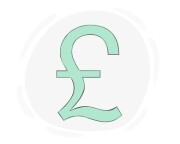
the symbol £ used in writing or printing to represent the British unit of currency
símbolo libra
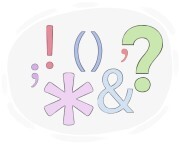
any mark such as a period, comma, brackets, etc., used in writing to divide phrases and sentences and to make them clearly understood
signo de puntuación
the mark ? used at the end of a sentence to show that it is a question
signo de interrogación
En los mensajes de texto, la gente suele usar un signo de interrogación para expresar curiosidad o incertidumbre.
either of the symbols " " or ' ' used before and after a word or words to indicate the beginning and the end of a title or quoted remark, or to mark a jargon
comillas
El profesor explicó cuándo usar comillas simples frente a comillas dobles.
(plural) another way of saying quotation marks
comillas
the punctuation mark ; used to separate the items in a list or to indicate a pause between two main clauses in a compound sentence
punto y coma
Al escribir artículos académicos, a menudo se usa un punto y coma para vincular ideas que están relacionadas pero que podrían ser oraciones separadas.
the symbol / used in print or writing to indicate alternatives or fractions, etc.
barra, barra oblicua
En la abreviatura "y/o", la barra oblicua indica que se puede usar "y" o "o".
the use of hyphens to connect syllables or words together for clarity or to form compound words
guionado, división silábica
a punctuation symbol used to indicate additional information or a footnote reference in written text
doble daga, doble cruz
a typographical symbol (∙) used primarily in mathematics and technical notation to represent a binary operation such as multiplication
operador punto, operador de viñeta
El lenguaje de programación utiliza el operador viñeta como símbolo para una llamada de función específica.
a typographical symbol used to indicate a specific section or division within a document, often used in legal or academic contexts to reference a particular part or topic
signo de sección, símbolo de sección
a single typographical symbol, either the opening or closing angle quotation mark (« or ») used in various languages to indicate quotations or enclose text with a special meaning
comilla angular
the symbol @, that is used in email addresses and other forms of electronic communication
arroba, símbolo de arroba
a small, V-shaped symbol often used in mathematics and computer programming to indicate exponentiation, bitwise XOR operations, or to mark insertions or corrections in text
símbolo de intercalación, símbolo caret
a punctuation mark that consists of a small dot used to separate or clarify elements within a sentence, such as in decimal numbers, abbreviations, or to indicate word boundaries in some languages
punto intermedio, punto de interpunción
a punctuation mark consisting of three dots that indicates the omission of words or a pause in speech, often used to create suspense, indicate trailing off, or show incomplete thoughts in writing
puntos suspensivos, elipsis
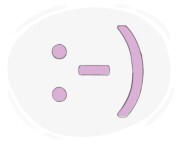
a sign formed by keyboard characters to show the tone of a message or its sender's facial expression, used on social media or in text messages
emoticón, emoticono
Usó un emoticono triste para expresar simpatía por la situación de su amigo.
a punctuation mark that combines the question mark and exclamation mark, used to express a mixture of surprise and inquiry, or to convey a rhetorical question with emphasis
interrobang, signo de interrogación y exclamación combinados
a punctuation mark that is slightly longer than a hyphen (-) and is used to indicate a range or connection between two elements, such as dates, times, or numbers, it is also used to show contrast or connection between words or phrases
guion medio, raya corta
a punctuation mark that is longer than both a hyphen (-) and an en dash (–)
raya, guión largo
a punctuation mark used to set off nonessential or supplementary information within a sentence, indicating a slight pause or separation of the parenthetical element from the rest of the sentence
coma parentética, coma incidental
a comma used before the conjunction, usually "and" or "or", in a list of three or more items, providing clarity and avoiding ambiguity
coma serial, coma de Oxford
a punctuation mark consisting of two parallel horizontal lines used to enclose quoted or cited material
comilla, comilla doble
a punctuation mark consisting of a curved or slanted line used to enclose quoted or cited material within a larger quotation or to indicate a word or phrase as being ironic, unconventional, or used in a specialized sense
comilla simple, apóstrofo
a typographical symbol (†) used to indicate a footnote, annotation, or cross-reference in printed text
obelisco, cruz de referencia
La entrada del diccionario incluía un daga para información adicional.
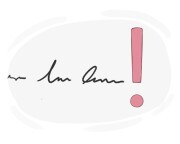
the mark ! used after a sentence to indicate excitement, surprise, etc.
signo de exclamación, signo de admiración
El profesor explicó que usar demasiados signos de exclamación puede hacer que la escritura parezca demasiado dramática.
