pattern

500 Kata Keterangan Bahasa Inggris yang Paling Umum - Top 176 - 200 Kata Keterangan

Di sini Anda diberikan bagian 8 dari daftar kata keterangan yang paling umum dalam bahasa Inggris seperti "apart", "closely", dan "barely".

Tinjauan

Kartu flash

Ejaan

Kuis
Mulai belajar
Most Common Adverbs in English Vocabulary
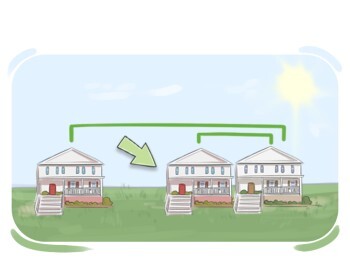
closely
closely
[Adverbia]

without having a lot of space or time in between

erat,  dekat

erat, dekat

Ex: The trains run closely during rush hours to accommodate commuter demand. 

Kereta berjalan berdekatan selama jam sibuk untuk memenuhi permintaan komuter.
Tutup
Masuk
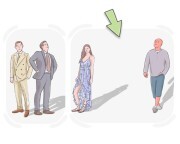
apart
apart
[Adverbia]

at a distance from each other in either time or space

terpisah, jauh

terpisah, jauh

Ex: We set the chairs apart to make room for walking space. 

Kami menempatkan kursi terpisah untuk memberi ruang berjalan.
Tutup
Masuk
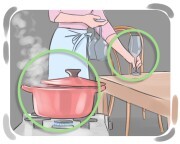
meanwhile
meanwhile
[Adverbia]

at the same time but often somewhere else

sementara itu, di saat yang sama
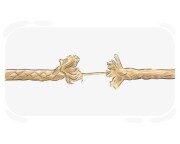
sementara itu, di saat yang sama

Ex: She started cooking dinner; meanwhile, her husband set the table. 
Tutup
Masuk
barely
barely
[Adverbia]

in a manner that almost does not exist or occur

hampir tidak, nyaris

hampir tidak, nyaris

Ex: After the long hike, they were barely able to reach the mountain's summit. 

Setelah pendakian panjang, mereka hampir tidak bisa mencapai puncak gunung.

Tutup
Masuk
regardless
regardless
[Adverbia]

with no attention to the thing mentioned

meskipun demikian, bagaimanapun juga

meskipun demikian, bagaimanapun juga

Ex: The event will take place outdoors regardless of the weather forecast. 

Acara akan berlangsung di luar ruangan terlepas dari ramalan cuaca.
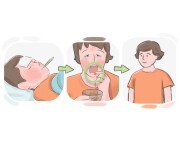
Tutup
Masuk
effectively
effectively
[Adverbia]

in a way that results in the desired outcome

secara efektif,  dengan efektif

secara efektif, dengan efektif

Ex: The teacher used innovative teaching methods to engage students and convey the lesson effectively. 

Guru menggunakan metode pengajaran yang inovatif untuk melibatkan siswa dan menyampaikan pelajaran secara efektif.
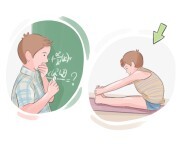
Tutup
Masuk
physically
physically
[Adverbia]

in relation to the body as opposed to the mind

secara fisik, secara jasmani

secara fisik, secara jasmani

Ex: She felt physically tired after a long day of hiking. 

Dia merasa secara fisik lelah setelah seharian mendaki.

Tutup
Masuk
overall
overall
[Adverbia]

with everything considered

Secara keseluruhan, Pada umumnya
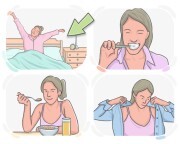
Secara keseluruhan, Pada umumnya

Ex: Overall, the event was a great success. 
Tutup
Masuk
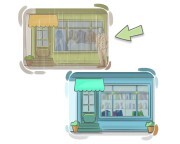
initially
initially
[Adverbia]

at the starting point of a process or situation

awalnya, pada mulanya

awalnya, pada mulanya

Ex: I initially hated sushi, but now it's my favorite food. 

Awalnya saya benci sushi, tapi sekarang itu makanan favorit saya.
Tutup
Masuk
previously
previously
[Adverbia]

before the present moment or a specific time

sebelumnya, dahulu

sebelumnya, dahulu

Ex: The current system operates more efficiently than the one used previously. 

Sistem saat ini beroperasi lebih efisien daripada yang digunakan sebelumnya.

Tutup
Masuk
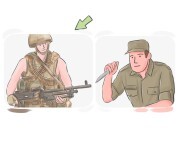
largely
largely
[Adverbia]

for the greatest part

sebagian besar, terutama

sebagian besar, terutama

Ex: Our findings were largely consistent with previous research. 

Temuan kami sebagian besar konsisten dengan penelitian sebelumnya.
Tutup
Masuk
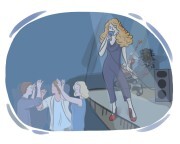
heavily
heavily
[Adverbia]

to a great or considerable extent

sangat, secara besar-besaran

sangat, secara besar-besaran

Ex: The company is heavily invested in renewable energy. 

Perusahaan sangat berinvestasi dalam energi terbarukan.
Tutup
Masuk
live
live
[Adverbia]

used when an event or performance is happening at the present moment or being broadcast in real-time

langsung, secara real-time

langsung, secara real-time

Ex: The concert will be broadcast live, allowing fans to experience the music in real-time. 
Tutup
Masuk
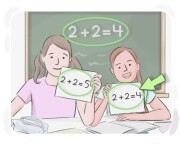
in the first place

used to explain the main reason or starting point of a situation

pertama-tama, yang pertama

pertama-tama, yang pertama

Ex: In the first place, the data is flawed, which invalidates the entire study. 

Pertama-tama, data tersebut cacat, yang membuat seluruh studi tidak valid.
Tutup
Masuk
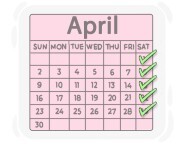
correctly
correctly
[Adverbia]

in a right way and without mistake

dengan benar, tanpa kesalahan

dengan benar, tanpa kesalahan

Ex: The technician diagnosed the issue correctly and fixed the appliance. 

Teknisi mendiagnosis masalah dengan benar dan memperbaiki peralatan.
Tutup
Masuk
regularly
regularly
[Adverbia]

at predictable, equal time periods

secara teratur, secara periodik

secara teratur, secara periodik

Ex: The magazine is published regularly, every two weeks. 

Majalah ini diterbitkan secara teratur, setiap dua minggu.

Tutup
Masuk
nowhere
nowhere
[Adverbia]

in, at, or to no place

tidak di mana pun, tidak ke mana pun

tidak di mana pun, tidak ke mana pun

Ex: We went nowhere during the holiday and simply stayed home. 
Tutup
Masuk
deep
deep
[Adverbia]

at or to a significant depth

dalam, secara mendalam

dalam, secara mendalam

Ex: The well was dug deep to reach the water table. 
Tutup
Masuk
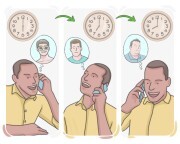
mainly
mainly
[Adverbia]

more than any other thing

terutama, kebanyakan

terutama, kebanyakan

Ex: The diet plan focuses mainly on incorporating whole foods and avoiding processed items. 

Rencana diet berfokus terutama pada memasukkan makanan utuh dan menghindari makanan olahan.
Tutup
Masuk
frequently
frequently
[Adverbia]

regularly and with short time in between

sering, kerap

sering, kerap

Ex: The manager frequently communicates updates to the team. 

Manajer sering mengomunikasikan pembaruan kepada tim.

Tutup
Masuk
through
through
[Adverbia]

from one side to the other side of something, typically through an opening or passage

melalui, lewat

melalui, lewat

Ex: The dog ran through, vanishing into the yard. 

Anjing itu berlari melalui, menghilang ke halaman.
Tutup
Masuk
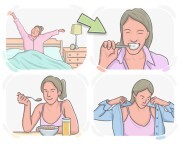
afterward
afterward
[Adverbia]

in the time following a specific action, moment, or event

setelahnya, kemudian

setelahnya, kemudian

Ex: Afterward, the storm subsided, leaving behind a tranquil evening. 

Setelah itu, badai mereda, meninggalkan malam yang tenang.

Tutup
Masuk
behind
behind
[Adverbia]

at the rear, far side, or back side of something

di belakang, di balik

di belakang, di balik

Ex: The car slowly moved behind as the truck entered the highway. 

Mobil itu perlahan bergerak di belakang saat truk memasuki jalan tol.

Tutup
Masuk
significantly
significantly
[Adverbia]

to a noticeable or considerable extent

secara signifikan, dengan cukup besar

secara signifikan, dengan cukup besar

Ex: Test scores rose significantly across all age groups. 

Skor tes meningkat secara signifikan di semua kelompok usia.

Tutup
Masuk
dangerously
dangerously
[Adverbia]

in a manner that is capable of harming or injuring a person or destroying or damaging a thing

dengan berbahaya, secara membahayakan

dengan berbahaya, secara membahayakan

Ex: The chemicals reacted dangerously when mixed together. 

Bahan kimia bereaksi dengan berbahaya ketika dicampur bersama.

Tutup
Masuk
LanGeek
Unduh aplikasi LanGeek