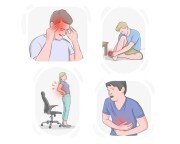


Cambridge English: PET (B1 Preliminare) - Sintomi e lesioni

review-disable

Revisione

flashcard-disable

Flashcard

spelling-disable

Ortografia

quiz-disable

Quiz

Inizia a imparare
Cambridge English: PET (B1 Preliminare)
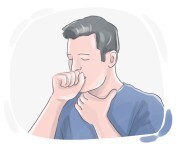
to cough [Verbo]
اجرا کردن

tossire

Ex: Do n't cough into your hand ; it 's better to use a tissue .

Non tossire nella mano; è meglio usare un fazzoletto.
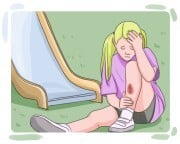
to injure [Verbo]
اجرا کردن

ferire

Ex: A misstep on the stairs could injure your leg .

Un passo falso sulle scale potrebbe ferire la tua gamba.

sore [aggettivo]
اجرا کردن

dolente

Ex: Jane 's throat was sore , making it difficult for her to swallow , after catching a cold .

La gola di Jane era dolorante, rendendole difficile deglutire, dopo aver preso un raffreddore.

painful [aggettivo]
اجرا کردن

doloroso

Ex: Her painful shoulder prevented her from lifting anything heavy .

La sua spalla dolorante le impediva di sollevare qualcosa di pesante.

اجرا کردن

prendere

Ex: She came down with a severe case of the flu and had to stay home from work .

Lei ha preso un grave caso di influenza e ha dovuto rimanere a casa senza andare a lavoro.

اجرا کردن

malato

Ex: Despite feeling a little under the weather , Tom still managed to attend the meeting and contribute to the discussion .
bug [sostantivo]
اجرا کردن

virus

Ex: The flu is caused by a viral bug .
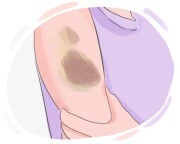
bruise [sostantivo]
اجرا کردن

livido

Ex: After falling off his bike , he noticed a painful bruise forming on his arm , which would take several days to heal .

Dopo essere caduto dalla bicicletta, ha notato un doloroso livido che si formava sul braccio, che avrebbe impiegato diversi giorni a guarire.

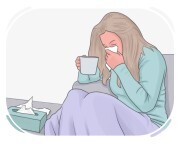
cough [sostantivo]
اجرا کردن

tosse

Ex: After two weeks , the cough finally disappeared .

Dopo due settimane, la tosse è finalmente scomparsa.

to cut [Verbo]
اجرا کردن

tagliare

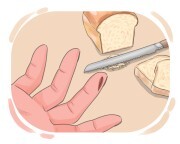
Ex: Be careful with that glass ; it can cut your hand .

Fai attenzione con quel bicchiere; può tagliare la tua mano.

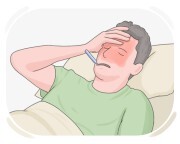
fever [sostantivo]
اجرا کردن

febbre

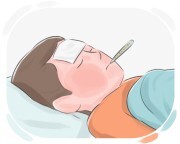
Ex: A fever is one of the common symptoms of the flu .

Febbre è uno dei sintomi comuni dell'influenza.

cut [sostantivo]
اجرا کردن

tagliato

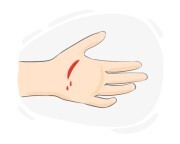
Ex: He had a deep cut on his hand from the broken glass .

Aveva un taglio profondo sulla mano a causa del vetro rotto.

flu [sostantivo]
اجرا کردن

influenzano

Ex: After catching the flu , he realized the importance of getting vaccinated .

Dopo aver preso l'influenza, ha capito l'importanza di vaccinarsi.

injury [sostantivo]
اجرا کردن

ferita

Ex: After the attack , she had a serious head injury .

Dopo l'attacco, ha riportato una grave ferita alla testa.

to sprain [Verbo]
اجرا کردن

storcere

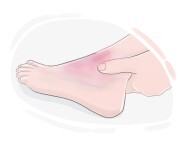
Ex: He sprained his ankle while playing basketball .

Si è storto la caviglia giocando a basket.

to wound [Verbo]
اجرا کردن

ferire

Ex: Carelessness with sharp objects can easily wound a person .

La disattenzione con oggetti affilati può facilmente ferire una persona.

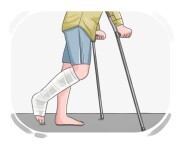
to break [Verbo]
اجرا کردن

rompere

Ex: The skier had a bad fall and broke several ribs .

Lo sciatore ha avuto una brutta caduta e si è rotto diverse costole.

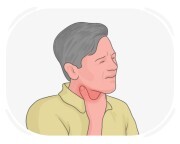
sore throat [sostantivo]
اجرا کردن

mal di gola

Ex: A sore throat is often the first sign of a cold .

Un mal di gola è spesso il primo segno di un raffreddore.

wound [sostantivo]
اجرا کردن

ferita

Ex: The soldier had a deep wound on his leg from the battle .

Il soldato aveva una ferita profonda sulla gamba a causa della battaglia.

danger [sostantivo]
اجرا کردن

pericolo

Ex: Firefighters face danger when entering burning buildings .

I vigili del fuoco affrontano pericolo quando entrano in edifici in fiamme.

to damage [Verbo]
اجرا کردن

danneggiare

Ex: The storm 's strong winds and hailstones damaged the roof of the house .

I forti venti e la grandine della tempesta hanno danneggiato il tetto della casa.