pattern

Cambridge English: PET (B1 Preliminary) - Symptoms & Injuries

Learn PET vocabulary for symptoms and injuries, including pain, illness, accidents, wounds, physical problems, and ways of describing how someone feels.

Review

Flashcards

Forms

Spelling

Quiz

Start learning
Cambridge English: PET (B1 Preliminary)
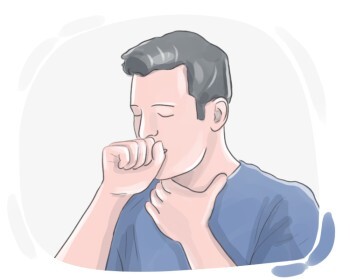
to cough
to cough
[Verb]

to push air out of our mouth with a sudden noise

Ex: Don't cough into your hand; it's better to use a tissue. 
Close
Sign in
to injure
to injure
[Verb]

to physically cause harm to a person or thing

Ex: A misstep on the stairs could injure your leg. 
Close
Sign in
sore
sore
[Adjective]

(of a body part) feeling painful or tender, often as a result of injury, strain, or illness

Ex: Jane's throat was sore, making it difficult for her to swallow, after catching a cold. 
Close
Sign in
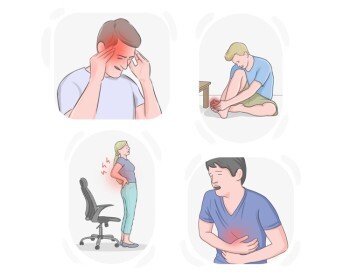
painful
painful
[Adjective]

causing physical pain in someone

Ex: The painful bruise on his leg made it hard to walk. 
Close
Sign in
to come down with

to start experiencing symptoms of an illness
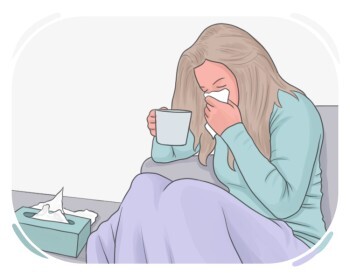
Ex: She came down with a severe case of the flu and had to stay home from work. 
Close
Sign in
under the weather

feeling unwell or slightly ill

Ex: I'm feeling a bit under the weather today, so I'll stay home. 
Close
Sign in
bug
bug
[noun]

a tiny living organism that can cause disease

Ex: The flu is caused by a viral bug. 
Close
Sign in
bruise
bruise
[noun]

an injury on the skin that appears as a dark mark, caused by a blow involving the rupture of vessels underneath

Ex: After falling off his bike, he noticed a painful bruise forming on his arm, which would take several days to heal. 
Close
Sign in
cough
cough
[noun]

the action of air coming out of our mouth with force

Ex: After two weeks, the cough finally disappeared. 
Close
Sign in
to cut
to cut
[Verb]

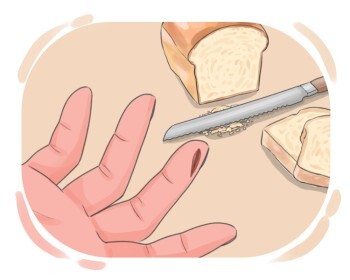
to accidentally wound and hurt yourself or others, especially with a sharp object, causing the skin to break and bleed
Ex: Be careful with that glass; it can cut your hand. 
Close
Sign in
fever
fever
[noun]

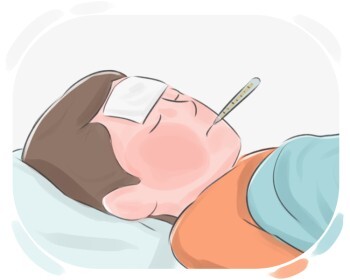
a condition when the body temperature rises, usually when we are sick
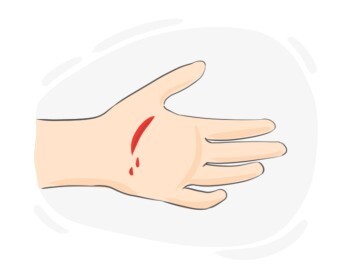
Ex: A fever is one of the common symptoms of the flu. 
Close
Sign in
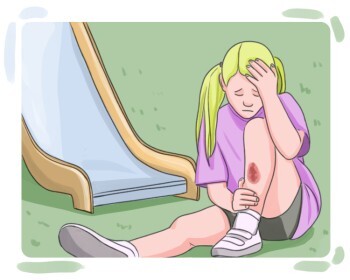
cut
cut
[noun]

a break or opening in the skin or flesh, often caused by a sharp object or injury

Ex: He had a deep cut on his hand from the broken glass. 
Close
Sign in
flu
flu
[noun]

an infectious disease similar to a bad cold, causing fever and severe pain
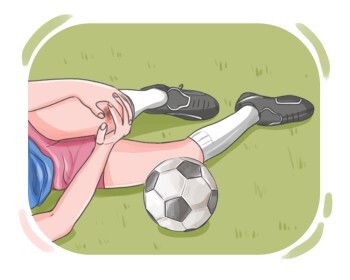
Ex: After catching the flu, he realized the importance of getting vaccinated. 
Close
Sign in
injury
injury
[noun]

any physical damage to a part of the body caused by an accident or attack
Ex: After the attack, she had a serious head injury. 
Close
Sign in
to sprain
to sprain
[Verb]

(of a ligament) to be suddenly twisted, which results in much pain

Ex: He sprained his ankle while playing basketball. 
Close
Sign in
to wound
to wound
[Verb]

to cause physical harm or injury to someone
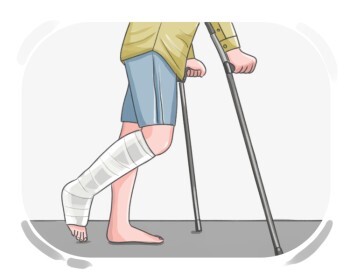
Ex: Carelessness with sharp objects can easily wound a person. 
Close
Sign in
to break
to break
[Verb]

to cause a crack and a separation in one of the bones of the body
Ex: The skier had a bad fall and broke several ribs. 
Close
Sign in
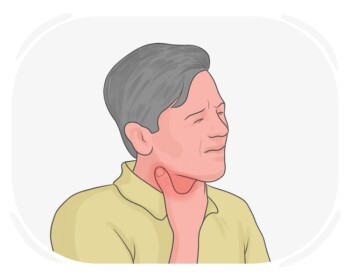
sore throat

a condition when you feel pain in the throat, usually caused by bacteria or viruses

Ex: A sore throat is often the first sign of a cold. 
Close
Sign in
wound
wound
[noun]

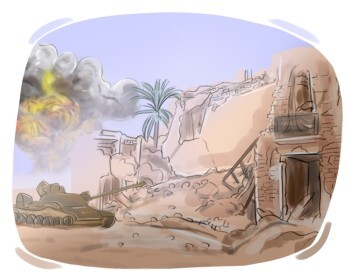
an injury inflicted on the body especially one that seriously damages the skin or the flesh
Ex: The soldier had a deep wound on his leg from the battle. 
Close
Sign in
danger
danger
[noun]

the likelihood of experiencing harm, damage, or injury

Ex: Drinking and driving poses a danger. 
Close
Sign in
to damage
to damage
[Verb]

to physically harm something

Ex: The storm's strong winds and hailstones damaged the roof of the house. 
Close
Sign in
LanGeek
Download LanGeek app