


related to the characteristics of vegetables, plants, or plant life

vegetale
Il capolavoro dello chef presentava un delizioso mix di sapori vegetali, combinando erbe fresche, ortaggi dell'orto e verdure a foglia verde.
to grow as plants do such as to develop new leaves, etc.
vegetare, crescere come le piante
I fiori selvatici, un tempo dormienti, iniziarono a vegetare, trasformando il paesaggio sterile in un vibrante mare di colori.
related to plant life or plants, specifically how plant procreate and grow
vegetativo, relativo alla vita vegetale
Il giardino presentava una sezione vegetativa dove varie piante mostravano diverse fasi di crescita e riproduzione.

to go back to someone or something after a separation
riunirsi, tornare a unirsi
Nonostante le sfide, la comunità è riuscita a riunirsi e a ricostruire dopo un disastro naturale.
a clever, fast, or sharp answer to someone's question or comment
replica, risposta pronta
La sua replica ponderata alla domanda del professore ha dimostrato la sua profonda comprensione dell'argomento.
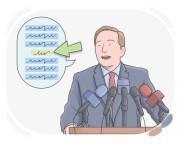
to emphasize, highlight, or draw attention to certain features or aspects of something
accentuare, mettere in risalto
Il suo sorriso era esaltato da un tocco di rossetto rosso per accentuare le sue labbra.
to write down and categorize new items that are added to a collection
registrare, catalogare
Come parte del processo di accessione, il curatore del museo ha documentato le opere d'arte appena acquisite, registrando informazioni sugli artisti, il mezzo e l'importanza storica.
providing extra support or assistance
accessorio, aggiuntivo
L'auto è arrivata con un pacchetto di funzionalità accessorie che includeva sedili riscaldati e un tetto apribile.
an individual who regularly questions and doubts the validity of ideas, beliefs, or information, particularly those that are commonly accepted
scettico
Rimase uno scettico, rifiutandosi di credere agli avvistamenti UFO senza prove solide.
doubtful of the basis or teachings of a religion
scettico, incredulo
Il professore rimase scettico riguardo alla dottrina religiosa, mettendo in discussione la sua accuratezza storica.
(of language) not said or written loudly or clearly enough to be understood
incomprensibile, inintelligibile
La trasmissione radio piena di interferenze era incomprensibile, rendendo impossibile capire il messaggio.
expressing oneself freely without worrying about social conventions
disinibito, senza inibizioni
Alla festa in spiaggia, tutti erano senza inibizioni, ballando e ridendo senza alcuna riserva.

(of hair) not brushed or cut neatly
spettinato
È apparso alla riunione con i capelli spettinati, come se avesse dormito troppo.
causing little or no disturbance or not easily noticeable
discreto, poco appariscente
Le telecamere di sorveglianza sono state posizionate strategicamente in luoghi discreti per monitorare l'attività senza essere notate.
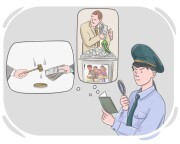
to reach an opinion or decision based on available evidence and one's understanding of the matter
dedurre
Lei deduce la risposta alla domanda esaminando le informazioni disponibili.

a conclusion one reaches from the existing evidence or known facts
deduzione
Il detective ha fatto una inferenza cruciale sull'alibi del sospettato basandosi sulle nuove prove.
(law) a person or party involved in a legal case
litigante, parte in causa
Il convenuto ha intentato una causa contro l'azienda, sostenendo una discriminazione sul posto di lavoro.

to initiate legal action against another party or person
litigare
Ha scelto di intentare causa piuttosto che risolvere la questione fuori dal tribunale.
related to legal actions, disputes, or the process of engaging in lawsuits
litigioso, processuale
L'azienda aveva una storia litigiosa, ricorrendo spesso ad azioni legali per proteggere i suoi brevetti e marchi.
characterized by the process of drawing conclusions based on available information or evidence
inferenziale
Il professore ha sottolineato l'importanza delle abilità inferenziali, incoraggiando gli studenti a trarre conclusioni logiche dai dati.
