Il libro Total English - Principiante - Unità 5 - Riferimento
Qui troverai il vocabolario dell'Unità 5 - Riferimento nel libro di corso Total English Starter, come "restare", "bambino", "buio", etc.
Ripasso
Flashcard
Ortografia
Quiz
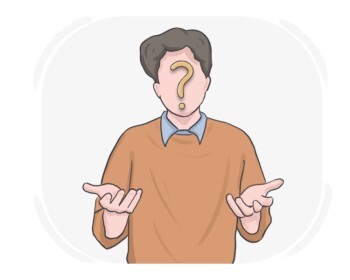
used in questions to ask about the name or identity of one person or several people

chi
Chi è quella persona in piedi vicino alla porta?
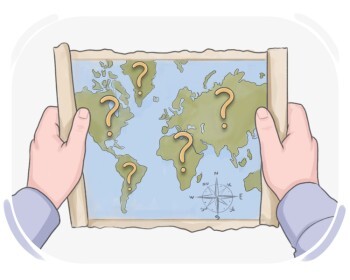
in what place, situation, or position
dove
Stavo pensando a dove l'avevo incontrato prima.
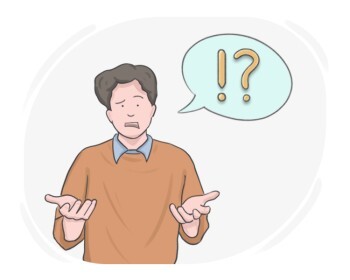
used in questions to ask for information or for someone's opinion
che cosa
Cosa hai mangiato a colazione?
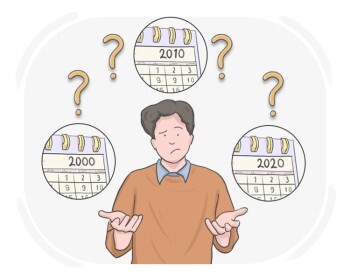
used when we want to ask at what time something happens
quando
Quando è stata l'ultima volta che hai visitato i tuoi nonni ?
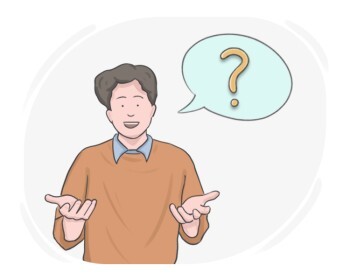
in what manner or in what way
come
Scusa, come si scrive il tuo nome ?

having features or characteristics that are pleasing
attrattivo
Il professore non è solo competente ma ha anche un modo attraente di presentare idee complesse.
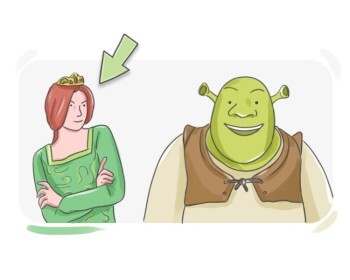
(of hair, skin, or eyes) characterized by a deep brown color that can range from light to very dark shades
scuro
La sua barba scura aggiungeva un fascino robusto al suo aspetto.
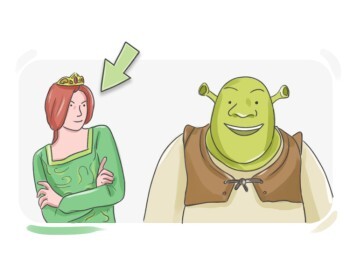
attractive or beautiful in appearance, especially when describing a woman
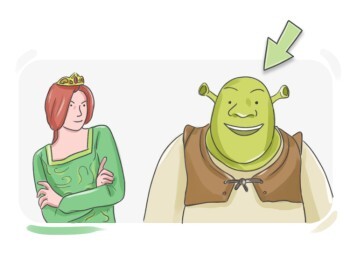
very unattractive or unpleasant in appearance
brutto
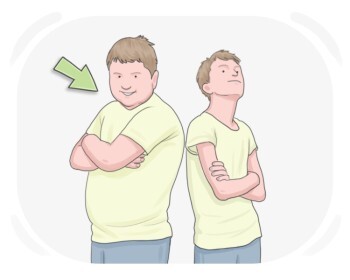
(of people or animals) weighing much more than what is thought to be healthy for their body
grasso, having too much body weight
Il gatto grasso si rilassava sul davanzale.
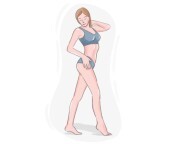
thin in an attractive and well-proportioned way
magro
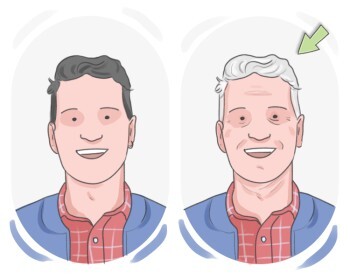
living in the later stages of life
vecchio, not young
La vecchia donna lavorava a maglia coperte per i suoi nipoti.
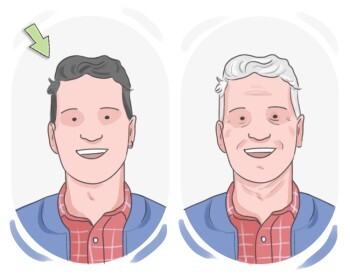
still in the earlier stages of life
giovane, not old
Il giovane bambino, ancora all'asilo, amava dipingere con colori vivaci.
weighing more than what is considered healthy or desirable for one's body size and build
sovrappeso
Molte persone faticano a perdere peso una volta diventate sovrappeso a causa di abitudini alimentari malsane.
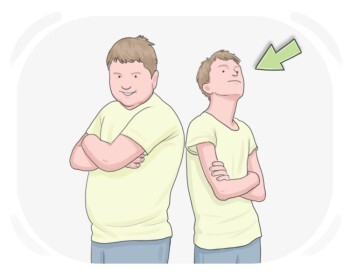
(of people or animals) weighing less than what is thought to be healthy for their body
magro, having little body weight
Lei è orgogliosa della sua figura snella e si prende buona cura della sua salute per rimanere magra.
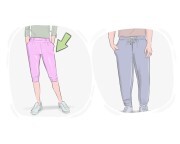
having a below-average distance between two points
corte
Il breve tratto di strada tra i due paesi era ben mantenuto e facile da percorrere.
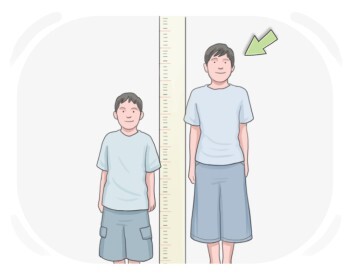
(of a person) having a height that is greater than what is thought to be the average height
alto, having more height than others
Quanto devi essere alto per salire su quelle montagne russe?
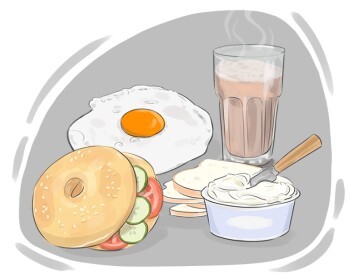
the first meal we have in the early hours of the day
colazione
I bambini hanno gustato una ciotola di cereali al cioccolato con latte freddo e un bicchiere di succo d'arancia per la colazione.
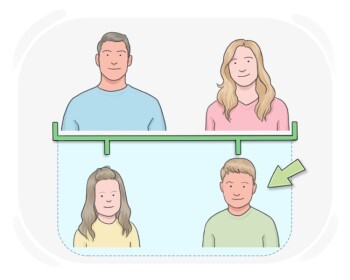
a man who shares a mother and father with us
fratello
Lei non ha nessun fratello, ma ha un amico stretto che è come un fratello per lei.
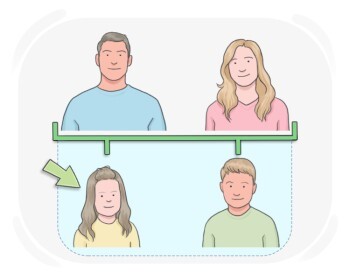
a lady who shares a mother and father with us
sorella
Dovresti parlare con tua sorella e vedere se può aiutarti con il tuo problema.
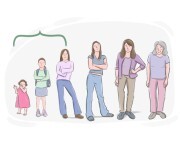
a young person who has not reached puberty or adulthood yet
bambino
La scuola ha organizzato una gita allo zoo, e i bambini erano entusiasti di vedere gli animali da vicino.
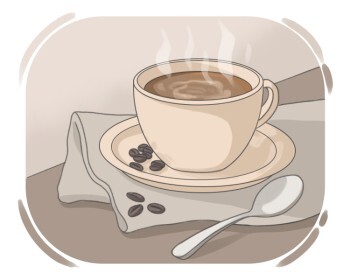
a drink made by mixing hot water with crushed coffee beans, which is usually brown
caffè
Il caffè serviva una varietà di bevande al caffè, tra cui cappuccino e macchiato.
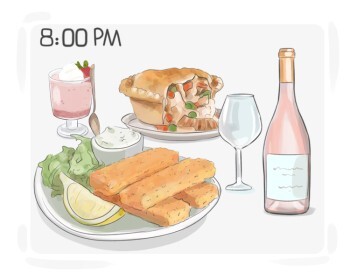
the main meal of the day that we usually eat in the evening
cena, pranzo
Abbiamo ordinato una pizza da asporto per una facile cena.
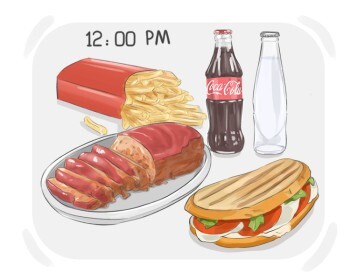
a meal we eat in the middle of the day
pranzo
Il café ha servito un delizioso pranzo speciale a base di salmone grigliato con verdure arrosto.
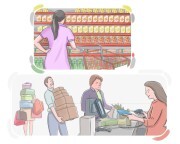
the activity of buying goods or services, especially from stores or online
spese

a place where people work, particularly behind a desk
ufficio
L'ufficio aziendale presentava elementi di design eleganti e moderni, creando un'atmosfera professionale e accogliente.
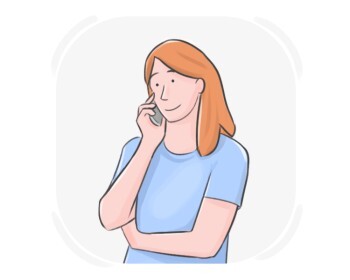
to telephone a place or person
chiamare, telefonare
Dove eri quando ti ho chiamato prima?
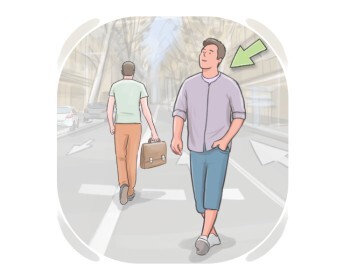
to move toward a location that the speaker considers to be close or relevant to them
venire
Lei è venuta in cucina per prendere uno spuntino.
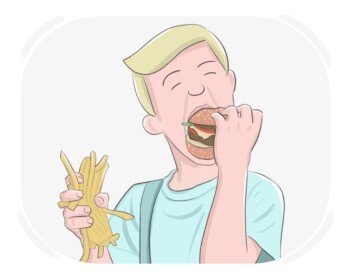
to put food into the mouth, then chew and swallow it
mangiare
I bambini erano così affamati dopo aver giocato fuori che non vedevano l'ora di mangiare la cena.

to make something end
finire
Finirò questo compito il prima possibile.
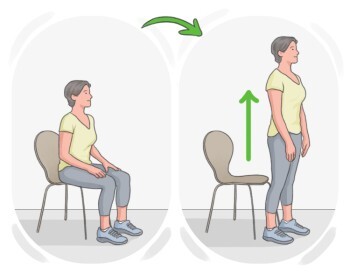
to get on our feet and stand up
alzarsi, mettersi in piedi
Nonostante la stanchezza, si sono alzati per ballare quando è suonata la loro canzone preferita.
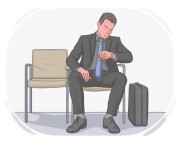
to remain in a particular place
rimanere
Stavamo per andarcene, ma i nostri amici ci hanno convinto a restare per una partita a carte.
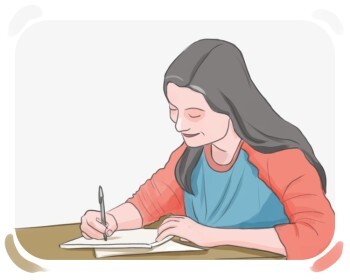
to spend time to learn about certain subjects by reading books, going to school, etc.
studiare
Lei ha studiato la storia dell'arte per la sua tesi finale.

to explore content or information on the internet or in other media without a specific goal
navigare
Invece di guardare uno spettacolo specifico, preferisco navigare tra i canali TV e vedere cosa c'è.

a global computer network that allows users around the world to communicate with each other and exchange information
Internet
Internet è una vasta fonte di conoscenza e intrattenimento.
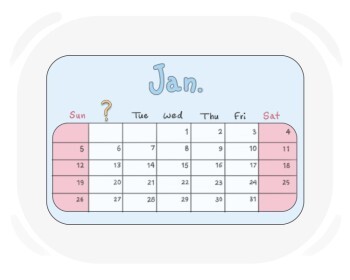
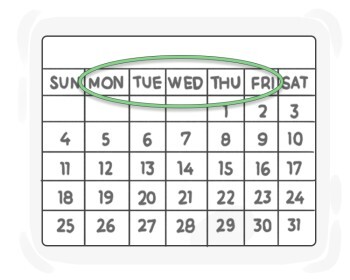
the day that comes after Sunday
lunedì
I lunedì possono essere impegnativi, ma mi piace rimanere organizzato e concentrato.
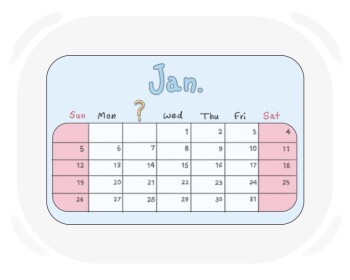
the day that comes after Monday
martedì
I martedì sono di solito i miei giorni più impegnativi al lavoro.
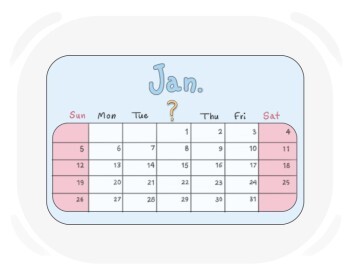
the day that comes after Tuesday
mercoledì
Mercoledì è il mezzo della settimana.
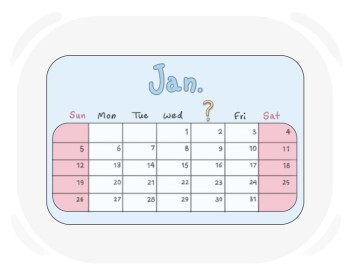
the day that comes after Wednesday
giovedì
Giovedì è il giorno dopo il mercoledì e prima del venerdì.
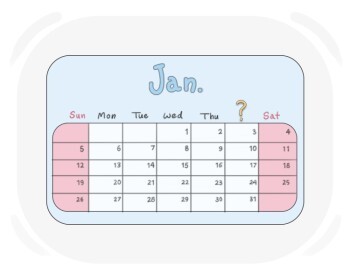
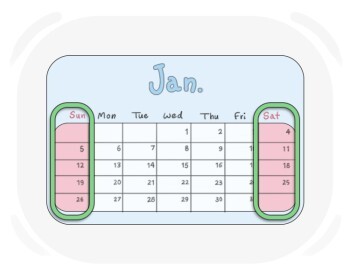
the day that comes after Thursday
venerdì
Abbiamo un incontro programmato per venerdì pomeriggio, dove discuteremo dei progressi del progetto.
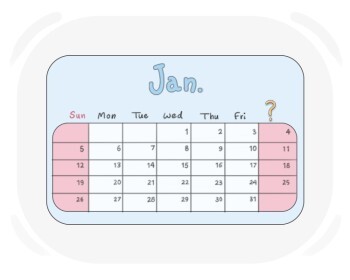
the day that comes after Friday
sabato
I sabati sono quando pianifico e preparo i pasti per la settimana successiva.
the day that comes after Saturday
domenica
Spesso facciamo un picnic nel parco nelle domeniche soleggiate.