pattern

Книга Total English - Начальный - Раздел 5 - Ссылка

Здесь вы найдете словарь из Раздела 5 - Ссылка в учебнике Total English Starter, такие как "оставаться", "ребенок", "темный" и т.д.

Обзор

Флэш-карточки

формы

Правописание

Тест

Начать учиться
Total English - Starter
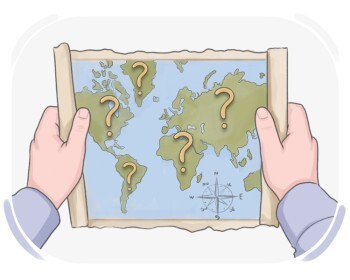
who
who
[местоимение]

used in questions to ask about the name or identity of one person or several people

кто

кто

Ex: Who is that person standing near the door ?

Кто этот человек, стоящий у двери?

Закрыть
Войти
where
where
[наречие]

in what place, situation, or position

где, куда

где, куда

Ex: I was thinking about where I met him before.

Я думал о том, где я встречал его раньше.

Закрыть
Войти
what
what
[местоимение]

used in questions to ask for information or for someone’s opinion

что

что

Ex: What is your opinion on the matter ?

Какое у вас мнение по этому вопросу?

Закрыть
Войти
when
when
[наречие]

used when we want to ask at what time something happens

когда

когда

Ex: When was the last time you visited your grandparents?

Когда вы в последний раз навещали своих бабушек и дедушек ?

Закрыть
Войти
how
how
[наречие]

in what manner or in what way

как

как

Ex: Sorry, how do you spell your name?

Извините, как пишется ваше имя ?

Закрыть
Войти
attractive
attractive
[прилагательное]

having features or characteristics that are pleasing

привлекательный

привлекательный

Ex: The professor is not only knowledgeable but also has an attractive way of presenting complex ideas .

Профессор не только знающий, но и имеет привлекательный способ представления сложных идей.

Закрыть
Войти
dark
dark
[прилагательное]

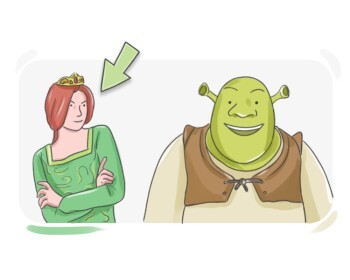
(of hair, skin, or eyes) characterized by a deep brown color that can range from light to very dark shades

тёмный
тёмный

Ex: His dark beard added a rugged charm to his appearance .

Его тёмная борода придавала его внешности грубоватое очарование.

Закрыть
Войти
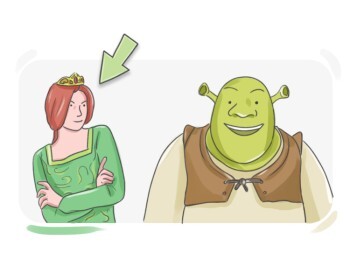
fair
fair
[прилагательное]

(of a woman) having attractive or pleasing features

красивый

красивый

Ex: The fair queen greeted her guests with grace .

Прекрасная королева приветствовала своих гостей с изяществом.

Закрыть
Войти
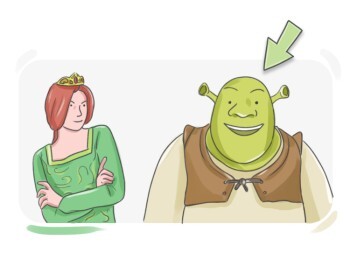
ugly
ugly
[прилагательное]

not pleasant to the mind or senses

уродливый

уродливый

Ex: The old , torn sweater she wore was ugly and outdated .

Старый, рваный свитер, который она носила, был уродливым и устаревшим.

Закрыть
Войти
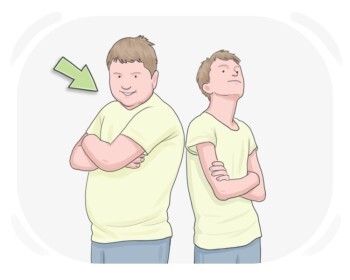
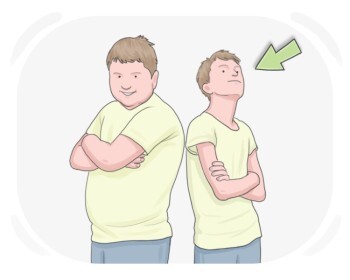
fat
fat
[прилагательное]

(of people or animals) weighing much more than what is thought to be healthy for their body

толстый, having too much body weight

толстый, having too much body weight

Ex: The fat cat lounged on the windowsill.

Толстый кот развалился на подоконнике.

Закрыть
Войти
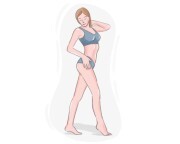
slim
slim
[прилагательное]

thin in an attractive way

стройный

стройный

Ex: The slim model walked confidently on the runway .

Стройная модель уверенно шла по подиуму.

Закрыть
Войти
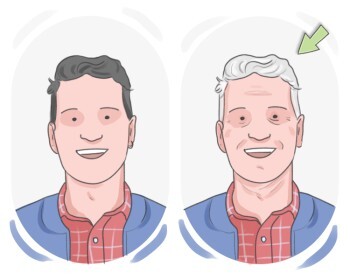
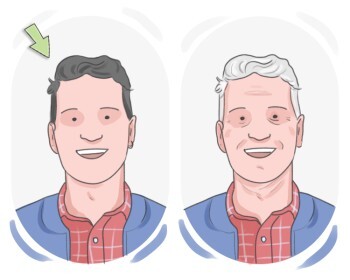
old
old
[прилагательное]

living in the later stages of life

старый, not young

старый, not young

Ex: She 's finally old enough to drive and ca n't wait to get her license .

Она наконец-то достаточно взрослая, чтобы водить машину, и не может дождаться получения водительских прав.
Закрыть
Войти
young
young
[прилагательное]

still in the earlier stages of life

молодой, not old

молодой, not old

Ex: The young boy , still in kindergarten , enjoyed painting with bright colors .

Молодой мальчик, еще в детском саду, любил рисовать яркими красками.

Закрыть
Войти
overweight
overweight
[прилагательное]

weighing more than what is considered healthy or desirable for one's body size and build

избыточный вес

избыточный вес

Ex: Many people struggle with losing weight once they become overweight due to unhealthy eating habits .

Многие люди борются с потерей веса, как только становятся с избыточным весом из-за нездоровых привычек в еде.

Закрыть
Войти
thin
thin
[прилагательное]

(of people or animals) weighing less than what is thought to be healthy for their body

тонкий, having little body weight

тонкий, having little body weight

Ex: She is proud of her slender figure and takes good care of her health to remain thin.

Она гордится своей стройной фигурой и хорошо заботится о своем здоровье, чтобы оставаться худой.

Закрыть
Войти
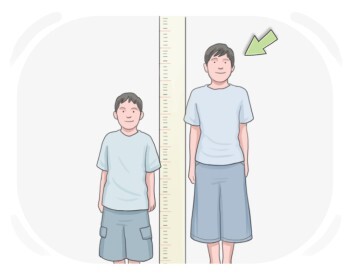
short
short
[прилагательное]

having a below-average distance between two points

короткий

короткий

Ex: The dog 's leash had a short chain , keeping him close while walking in crowded areas .

У поводка собаки была короткая цепь, что держала его рядом во время прогулки в людных местах.
Закрыть
Войти
tall
tall
[прилагательное]

(of a person) having a height that is greater than what is thought to be the average height

высокий, having more height than others

высокий, having more height than others

Ex: How tall do you need to be to ride that roller coaster ?

Какого роста ты должен быть, чтобы кататься на этих американских горках?

Закрыть
Войти
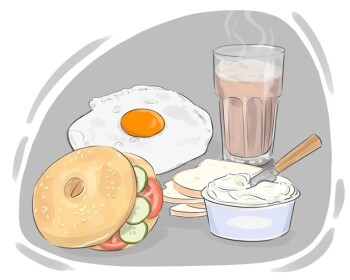
breakfast
breakfast
[существительное]

the first meal we have in the early hours of the day

завтрак

завтрак

Ex: The children enjoyed a bowl of chocolate cereal with cold milk and a glass of orange juice for breakfast.

Дети насладились тарелкой шоколадных хлопьев с холодным молоком и стаканом апельсинового сока на завтрак.

Закрыть
Войти
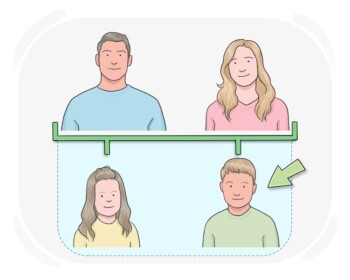
brother
brother
[существительное]

a man who shares a mother and father with us

Брат

Брат

Ex: She does n't have any brothers , but she has a close friend who 's like a brother to her .

У нее нет брата, но у нее есть близкий друг, который для нее как брат.

Закрыть
Войти
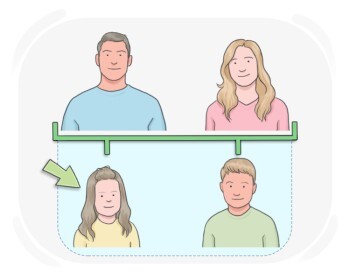
sister
sister
[существительное]

a lady who shares a mother and father with us

сестра

сестра

Ex: You should talk to your sister and see if she can help you with your problem .

Тебе следует поговорить со своей сестрой и узнать, может ли она помочь тебе с твоей проблемой.

Закрыть
Войти
child
child
[существительное]

a young person who has not reached puberty or adulthood yet

ребенок, дитя

ребенок, дитя

Ex: The school organized a field trip to the zoo , and the children were excited to see the animals up close .

Школа организовала экскурсию в зоопарк, и дети были в восторге от возможности увидеть животных вблизи.

Закрыть
Войти
coffee
coffee
[существительное]

a drink made by mixing hot water with crushed coffee beans, which is usually brown

кофе

кофе

Ex: The café served a variety of coffee drinks , including cappuccino and macchiato .

В кафе подавали различные напитки кофе, включая капучино и макиато.

Закрыть
Войти
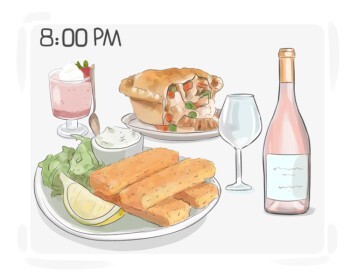
dinner
dinner
[существительное]

the main meal of the day that we usually eat in the evening

ужин

ужин

Ex: We ordered takeout pizza for an easy dinner.

Мы заказали пиццу на вынос для легкого ужина.

Закрыть
Войти
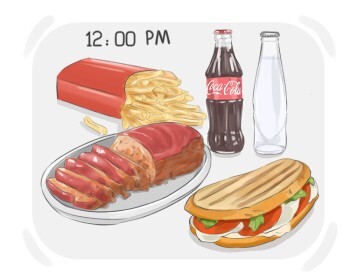
lunch
lunch
[существительное]

a meal we eat in the middle of the day

обед

обед

Ex: The café served a delicious lunch special of grilled salmon with roasted vegetables .

В кафе подавали вкусный специальный обед из жареного лосося с жареными овощами.

Закрыть
Войти
shopping
shopping
[существительное]

the act of buying goods from stores

покупки

покупки

Ex: They are planning a shopping trip this weekend .

Они планируют шопинг на эти выходные.

Закрыть
Войти
office
office
[существительное]

a place where people work, particularly behind a desk

бюро

бюро

Ex: The corporate office featured sleek , modern design elements , creating a professional and inviting atmosphere .

Корпоративный офис отличался элегантными, современными элементами дизайна, создавая профессиональную и привлекательную атмосферу.

Закрыть
Войти
to call
to call
[глагол]

to telephone a place or person

звонить

звонить

Ex: Where were you when I called you earlier ?

Где ты был, когда я тебя звонил раньше?

Закрыть
Войти
to come
to come
[глагол]

to move toward a location that the speaker considers to be close or relevant to them

приходить

приходить

Ex: They came to the park to play soccer.

Они пришли в парк, чтобы играть в футбол.

Закрыть
Войти
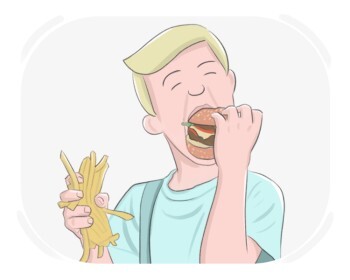
to eat
to eat
[глагол]

to put food into the mouth, then chew and swallow it

есть

есть

Ex: The kids were so hungry after playing outside that they could n't wait to eat dinner .

Дети были так голодны после игры на улице, что не могли дождаться, чтобы поесть ужин.

Закрыть
Войти
to finish
to finish
[глагол]

to make something end

заканчивать, завершать

заканчивать, завершать

Ex: I will finish this task as soon as possible .

Я закончу это задание как можно скорее.

Закрыть
Войти
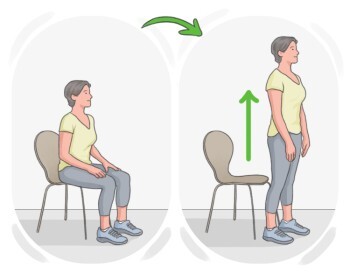
to get up
to get up
[глагол]

to get on our feet and stand up

вставать

вставать

Ex: Despite the fatigue, they got up to dance when their favorite song played.

Несмотря на усталость, они встали, чтобы танцевать, когда заиграла их любимая песня.

Закрыть
Войти
to stay
to stay
[глагол]

to remain in a particular place

оставаться

оставаться

Ex: We were about to leave , but our friends convinced us to stay for a game of cards .

Мы уже собирались уходить, но наши друзья убедили нас остаться на игру в карты.

Закрыть
Войти
to study
to study
[глагол]

to spend time to learn about certain subjects by reading books, going to school, etc.

изучать

изучать

Ex: She studied the history of art for her final paper .

Она изучала историю искусства для своей итоговой работы.

Закрыть
Войти
to surf
to surf
[глагол]

to explore content or information on the internet or in other media without a specific goal

заниматься поиском

заниматься поиском

Ex: Instead of watching a specific show , I prefer to surf through TV channels and see what 's on .

Вместо того чтобы смотреть конкретное шоу, я предпочитаю переключать телеканалы и смотреть, что идет.

Закрыть
Войти
the Internet
the Internet
[существительное]

‌a global computer network that allows users around the world to communicate with each other and exchange information

Интернет

Интернет

Ex: The Internet is a vast source of knowledge and entertainment .

Интернет — это огромный источник знаний и развлечений.

Закрыть
Войти
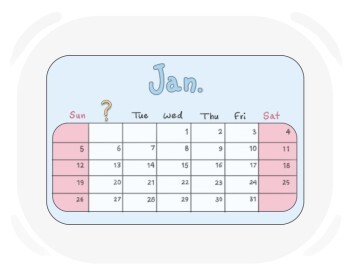
Monday
Monday
[существительное]

‌the day that comes after Sunday

Понедельник

Понедельник

Ex: Mondays can be busy, but I like to stay organized and focused.

Понедельники могут быть напряженными, но я люблю оставаться организованным и сосредоточенным.

Закрыть
Войти
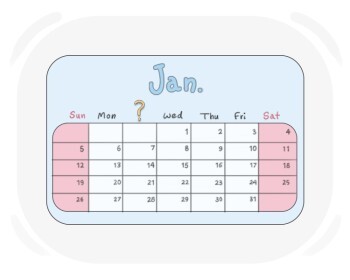
Tuesday
Tuesday
[существительное]

‌the day that comes after Monday

Вторник

Вторник

Ex: Tuesdays usually are my busiest days at work.

Вторники обычно самые загруженные дни на работе.

Закрыть
Войти
Wednesday
Wednesday
[существительное]

‌the day that comes after Tuesday

Среда

Среда

Ex: Wednesday is the middle of the week .

Среда — это середина недели.

Закрыть
Войти
Thursday
Thursday
[существительное]

‌the day that comes after Wednesday

Четверг

Четверг

Ex: Thursday is the day after Wednesday and before Friday .

Четверг — это день после среды и перед пятницей.

Закрыть
Войти
Friday
Friday
[существительное]

‌the day that comes after Thursday

Пятница

Пятница

Ex: We have a meeting scheduled for Friday afternoon , where we will discuss the progress of the project .

У нас запланирована встреча в пятницу днем, где мы обсудим прогресс проекта.

Закрыть
Войти
Saturday
Saturday
[существительное]

‌the day that comes after Friday

Суббота

Суббота

Ex: Saturdays are when I plan and prepare meals for the upcoming week.

Субботы — это время, когда я планирую и готовлю еду на предстоящую неделю.

Закрыть
Войти
Sunday
Sunday
[существительное]

‌the day that comes after Saturday

Воскресенье

Воскресенье

Ex: We often have a picnic in the park on sunny Sundays.

Мы часто устраиваем пикник в парке в солнечные воскресенья.

Закрыть
Войти
weekday
weekday
[существительное]

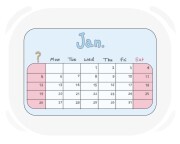
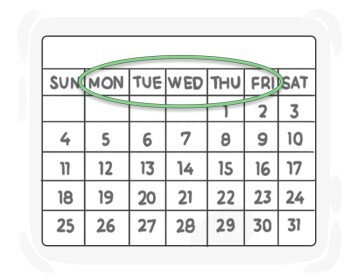
any day of the week other than Saturday and Sunday

будний день, рабочий день

будний день, рабочий день

Ex: The weekday train schedule is different from the weekend timetable .

Расписание поездов в будние дни отличается от расписания на выходные.

Закрыть
Войти
weekend
weekend
[существительное]

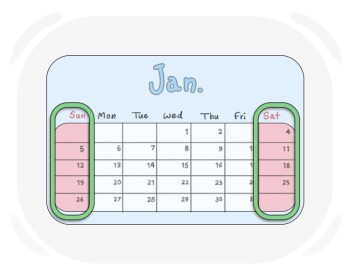
the days of the week, usually Saturday and Sunday, when people do not have to go to work or school

выходной день

выходной день

Ex: Weekends are when I can work on personal projects .

Выходные - это когда я могу работать над личными проектами.

Закрыть
Войти
LanGeek
Скачать приложение LanGeek