pattern

Książka Total English - Początkujący - Jednostka 5 - Odniesienie

Tutaj znajdziesz słownictwo z Unitu 5 - Odniesienie w podręczniku Total English Starter, takie jak "zostać", "dziecko", "ciemny" itp.

Przegląd

Fiszki

formy

Pisownia

Test
Zacznij naukę
Total English - Starter
who
who
[Zaimki]

used in questions to ask about the name or identity of one person or several people

kto
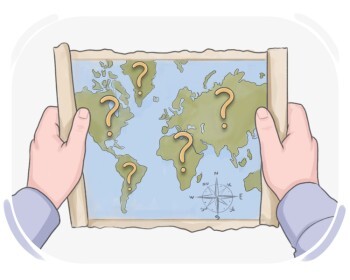
kto

Ex: Who is responsible for organizing the event? 
where
where
[przysłówek]

in what place, situation, or position

gdzie, w jakiej sytuacji
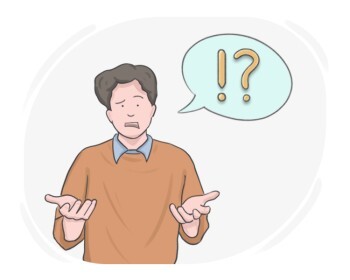
gdzie, w jakiej sytuacji

Ex: Where did you put your keys? 
what
what
[Zaimki]

used in questions to ask for information or for someone's opinion
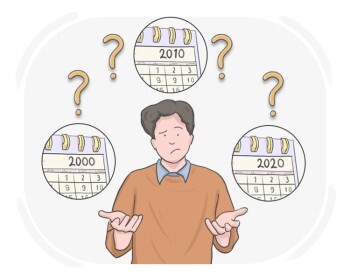
Ex: What is your favorite color? 
when
when
[przysłówek]

used when we want to ask at what time something happens

kiedy, gdy
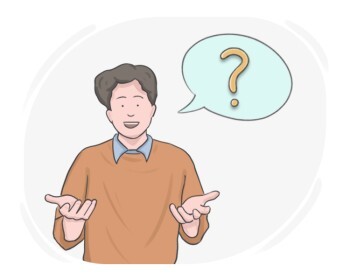
kiedy, gdy

Ex: I can't recall when we last spoke on the phone. 
how
how
[przysłówek]

in what manner or in what way

jak, w jaki sposób

jak, w jaki sposób

Ex: How do you write a formal email? 
attractive
attractive
[przymiotnik]

having features or characteristics that are pleasing

atrakcyjny, pociągający

atrakcyjny, pociągający

Ex: The handsome actor's attractive smile made him a heartthrob for many fans. 

Atrakcyjny uśmiech przystojnego aktora sprawił, że stał się on obiektem westchnień wielu fanów.
dark
dark
[przymiotnik]

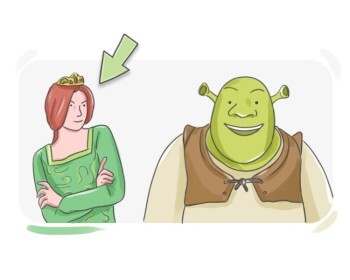
(of hair, skin, or eyes) characterized by a deep brown color that can range from light to very dark shades

ciemny
ciemny

Ex: He was a tall man with dark hair that complemented his sharp features. 
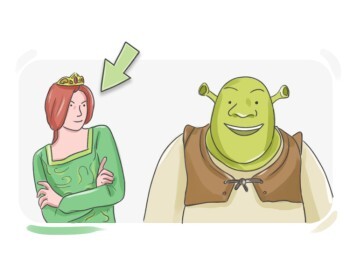
fair
fair
[przymiotnik]

(of a woman) having attractive or pleasing features

piękna, urocza
piękna, urocza

Ex: The prince fell in love with the fair maiden. 
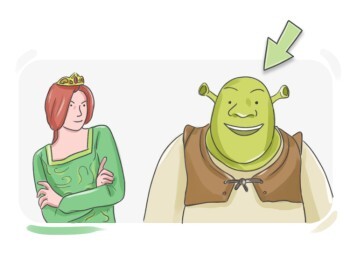
ugly
ugly
[przymiotnik]

very unattractive or unpleasant in appearance
Ex: Sarah refused to buy the shoes because she found them ugly. 
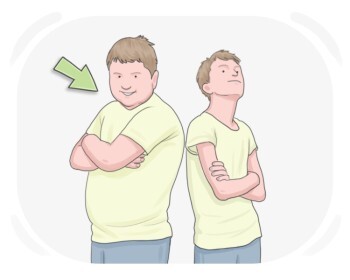
fat
fat
[przymiotnik]

(of people or animals) weighing much more than what is thought to be healthy for their body

gruby,otyły, having too much body weight

gruby,otyły, having too much body weight

Ex: He admires body diversity and believes everyone should be accepted regardless of being fat or thin. 
slim
slim
[przymiotnik]

thin in an attractive and well-proportioned way

szczupły, smukły
szczupły, smukły

Ex: Michael had a slim, athletic build. 
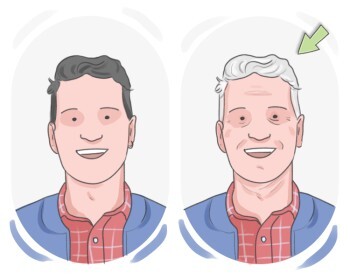
old
old
[przymiotnik]

living in the later stages of life

stary,wiekowy, not young
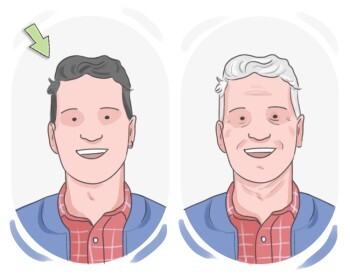
stary,wiekowy, not young

Ex: The old woman knitted blankets for her grandchildren. 
young
young
[przymiotnik]

still in the earlier stages of life

młody,młodociany, not old

młody,młodociany, not old

Ex: He has a young brother who is learning to walk. 
overweight
overweight
[przymiotnik]

weighing more than what is considered healthy or desirable for one's body size and build

z nadwagą, zbyt gruby

z nadwagą, zbyt gruby

Ex: Sarah's cat is overweight because she feeds it too many treats. 

Kot Sary ma nadwagę, ponieważ daje mu zbyt wiele smakołyków.
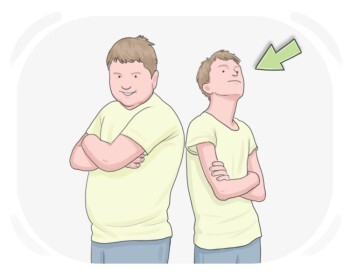
thin
thin
[przymiotnik]

(of people or animals) weighing less than what is thought to be healthy for their body

chudy,szczupły, having little body weight
chudy,szczupły, having little body weight

Ex: He is thin but strong, thanks to regular exercise and a balanced diet. 
short
short
[przymiotnik]

having a below-average distance between two points

krótki, zwięzły
krótki, zwięzły

Ex: The short stretch of road between the two towns was well-maintained and easy to drive on. 
tall
tall
[przymiotnik]

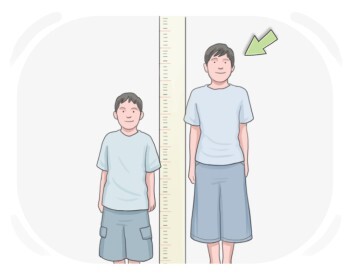
(of a person) having a height that is greater than what is thought to be the average height

wysoki,wysokiego wzrostu, having more height than others
wysoki,wysokiego wzrostu, having more height than others

Ex: He is a tall basketball player, perfect for the sport. 
breakfast
breakfast
[Rzeczownik]

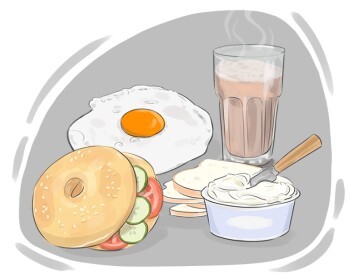
the first meal we have in the early hours of the day

śniadanie
śniadanie

Ex: Breakfast plays an important role as it provides the body with the necessary energy and nutrients to start the day. 
brother
brother
[Rzeczownik]

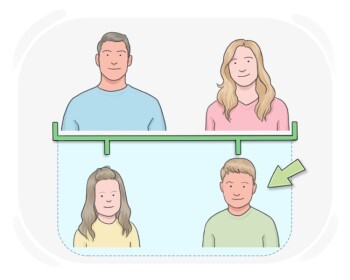
a man who shares a mother and father with us

brat, braciszek
brat, braciszek

Ex: Emily's brother likes to play video games and watch sports on TV. 
sister
sister
[Rzeczownik]

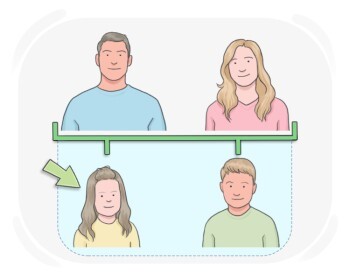
a lady who shares a mother and father with us

siostra, siostrzyczka
siostra, siostrzyczka

Ex: My dad has two sisters, both of whom are older than him. 
child
child
[Rzeczownik]

a young person who has not reached puberty or adulthood yet

dziecko, dzieciak

dziecko, dzieciak

Ex: As parents, we should prioritize the well-being and safety of our children at all times. 
coffee
coffee
[Rzeczownik]

a drink made by mixing hot water with crushed coffee beans, which is usually brown

kawa
kawa

Ex: He savored the aroma of freshly brewed coffee before taking his first sip. 
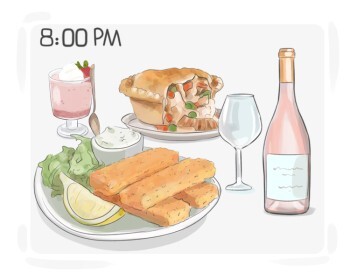
dinner
dinner
[Rzeczownik]

the main meal of the day that we usually eat in the evening

kolacja, obiad
kolacja, obiad

Ex: For dinner, I cooked a delicious chicken stir-fry with vegetables. 
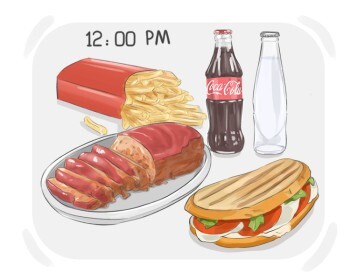
lunch
lunch
[Rzeczownik]

a meal we eat in the middle of the day

obiad, posiłek w południe
obiad, posiłek w południe

Ex: I made a Greek salad with feta cheese and olives for a healthy and flavorful lunch. 
shopping
shopping
[Rzeczownik]

the activity of buying goods or services, especially from stores or online

zakupy,  shopping

zakupy, shopping

Ex: Daniel does most of his grocery shopping on Friday. 
office
office
[Rzeczownik]

a place where people work, particularly behind a desk

biuro, gabinet
biuro, gabinet

Ex: The bustling office in the city center was filled with employees typing away on their computers. 
to call
to call
[Czasownik]

to telephone a place or person

dzwonić, telefonować
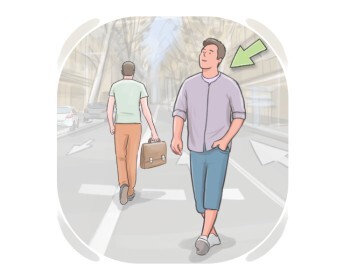
dzwonić, telefonować

Ex: Can you call me back in ten minutes? 
to come
to come
[Czasownik]

to move toward a location that the speaker considers to be close or relevant to them

przychodzić, przybywać
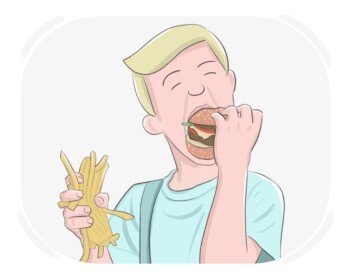
przychodzić, przybywać

Ex: Please come to the front of the classroom to present your project. 
to eat
to eat
[Czasownik]

to put food into the mouth, then chew and swallow it

jeść

jeść

Ex: They enjoy eating pizza on Friday nights. 
to finish
to finish
[Czasownik]

to make something end

zakończyć, skończyć
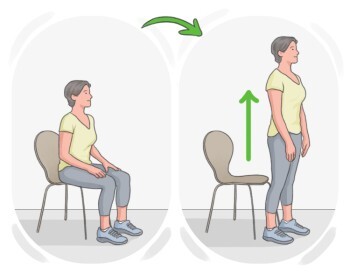
zakończyć, skończyć

Ex: He finished painting the walls and admired his work. 
to get up
to get up
[Czasownik]

to get on our feet and stand up

wstać, podnieść się

wstać, podnieść się

Ex: The athlete got up quickly after taking a fall during the race. 

Sportowiec szybko wstał po upadku podczas wyścigu.
to stay
to stay
[Czasownik]

to remain in a particular place

pozostać, przebywać
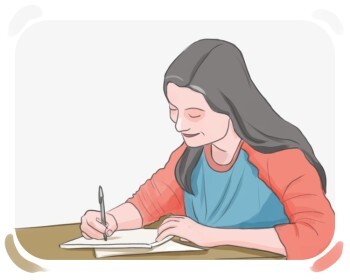
pozostać, przebywać

Ex: The weather is too unpredictable, so it's better to stay indoors. 
to study
to study
[Czasownik]

to spend time to learn about certain subjects by reading books, going to school, etc.

uczyć się

uczyć się

Ex: She spends hours every day to study for her upcoming exams. 
to surf
to surf
[Czasownik]

to explore content or information on the internet or in other media without a specific goal

surfować, przeglądać

surfować, przeglądać

Ex: Unable to decide on a book to read, he spent the afternoon surfing his bookshelf. 

Nie mogąc zdecydować się na książkę do czytania, spędził popołudnie przeglądając swoją półkę z książkami.

the Internet
the Internet
[Rzeczownik]

a global computer network that allows users around the world to communicate with each other and exchange information

Internet,  Sieć

Internet, Sieć

Ex: The Internet has transformed how we connect, work, and entertain ourselves. 

Internet zmienił sposób, w jaki się łączymy, pracujemy i bawimy.
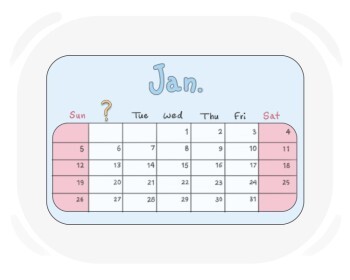
Monday
Monday
[Rzeczownik]

the day that comes after Sunday

poniedziałek,  w poniedziałek
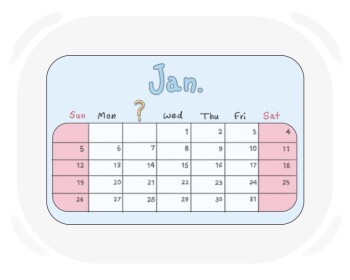
poniedziałek, w poniedziałek

Ex: I have a team meeting every Monday afternoon. 
Tuesday
Tuesday
[Rzeczownik]

the day that comes after Monday

wtorek,  wtorki
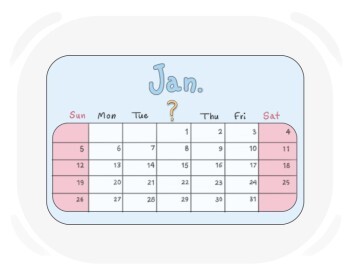
wtorek, wtorki

Ex: Harry uses Tuesdays to plan his goals for the rest of the week. 
Wednesday
Wednesday
[Rzeczownik]

the day that comes after Tuesday

środa,  środa

środa, środa

Ex: I eat pizza on Wednesdays. 
Thursday
Thursday
[Rzeczownik]

the day that comes after Wednesday

czwartek
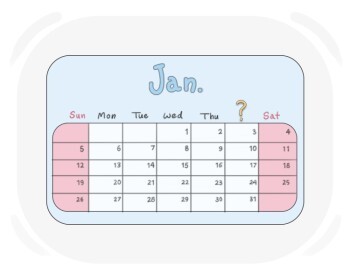
czwartek

Ex: I have a dentist appointment on Thursday. 
Friday
Friday
[Rzeczownik]

the day that comes after Thursday

piątek
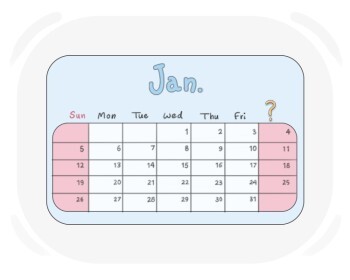
piątek

Ex: Friday is the last day of the workweek for many people, signaling the start of the weekend. 
Saturday
Saturday
[Rzeczownik]

the day that comes after Friday

sobota
sobota

Ex: I enjoy attending cultural events like concerts or theater performances on Saturdays. 
Sunday
Sunday
[Rzeczownik]

the day that comes after Saturday

niedziela
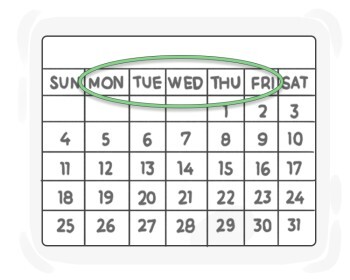
niedziela

Ex: I don't work on Sundays; it's my day off. 
weekday
weekday
[Rzeczownik]

any day of the week other than Saturday and Sunday

dzień powszedni, dzień roboczy

dzień powszedni, dzień roboczy

Ex: Weekday mornings are busy with school runs and commuters. 

Poranki w dni powszednie są zajęte dojazdami do szkoły i do pracy.
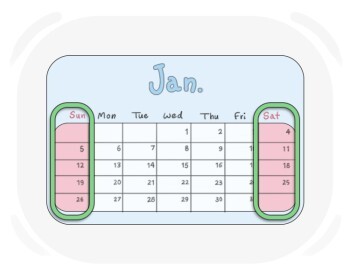
weekend
weekend
[Rzeczownik]

the days of the week, usually Saturday and Sunday, when people do not have to go to work or school

weekend

weekend

Ex: I like to sleep in and have a late breakfast on the weekends. 
LanGeek
Pobierz aplikację LanGeek