pattern

Cambridge IELTS 18 - Academic - Test 2 - Lettura - Passaggio 3 (1)

Impara il vocabolario dalla prima parte del Cambridge IELTS 18 Academic, Test 2 Reading Passage 3, con parole ed espressioni utili dal testo.

Revisione

Flashcard

forme

Ortografia

Quiz
Inizia a imparare
Cambridge IELTS 18 - Academic
ahead of {one's} time

having ideas, beliefs, or qualities that are more advanced or progressive than those of the current period or one's peers

Ex: His vision was ahead of his time. 
Chiudi
Accedi
genius
genius
[sostantivo]

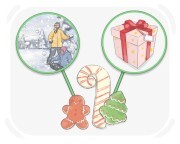
someone who is very smart or is very skilled in a specific activity

genio
genio

Ex: Many consider Leonardo da Vinci a genius for his contributions to art and science. 
Chiudi
Accedi
to associate

to make a connection between someone or something and another in the mind

associare

associare

Ex: The color red is commonly associated with passion and intensity across various cultures. 
Chiudi
Accedi
to embody
to embody
[Verbo]

to be a clear or perfect example of a particular quality, belief, or idea

esprimere

esprimere

Ex: The athlete embodied professionalism both on and off the field. 
Chiudi
Accedi
spirit
spirit
[sostantivo]

a tendency or mindset of a particular type

spirito, mentalità

spirito, mentalità

Ex: He approached the debate in the spirit of openness. 
Chiudi
Accedi
artistic
artistic
[aggettivo]

having or showing creativity and skill in the arts

artistico, creativo

artistico, creativo

Ex: She's an artistic soul with a passion for crafting unique jewelry. 

Lei è un'anima artistica con una passione per la creazione di gioielli unici.

Chiudi
Accedi
humanist
humanist
[aggettivo]

showing strong concern for human welfare, dignity, and values

umanista

umanista

Ex: Their humanist policies emphasized dignity and equal treatment. 
Chiudi
Accedi
sensibility
sensibility
[sostantivo]

the capacity to deeply appreciate and react to complicated emotional or aesthetic impacts

sensibilità, ricettività

sensibilità, ricettività

Ex: He showed great sensibility in responding to the complex themes of the film. 

Ha mostrato una grande sensibilità nel rispondere ai temi complessi del film.

Chiudi
Accedi
to fade
to fade
[Verbo]

to gradually become weaker, less noticeable, or disappear

scolorirsi, attenuarsi

scolorirsi, attenuarsi

Ex: Their hopes of finding the missing documents began to fade. 
Chiudi
Accedi
insignificance
insignificance
[sostantivo]

the quality of having little or no significance

insignificanza

insignificanza

Chiudi
Accedi
thinking
thinking
[sostantivo]

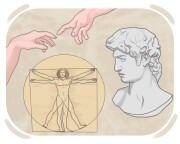
the set of opinions or ideas that one has about something

pensiero
pensiero

Ex: I understand your thinking, but I see the situation differently. 
Chiudi
Accedi
Renaissance
Renaissance
[sostantivo]

the period between the 14th and 16th centuries in Europe, marked by a rise of interest in Greek and Roman cultures, which is dominant in the art, philosophy, etc. of the times

Rinascimentale

Rinascimentale

Ex: Florence is often considered the birthplace of the Renaissance due to its flourishing cultural and artistic environment. 

Firenze è spesso considerata la culla del Rinascimento grazie al suo fiorente ambiente culturale e artistico.

Chiudi
Accedi
to mark
to mark
[Verbo]

to serve as a distinguishing quality or characteristic of someone or something

caratterizzare, distinguere

caratterizzare, distinguere

Ex: The determination that marks his pursuit of excellence drives him to achieve his goals. 
Chiudi
Accedi
transition
transition
[sostantivo]

the process or period of changing from one state, condition, or situation to another

transizione

transizione

Ex: The transition from winter to spring happened quickly this year. 
Chiudi
Accedi
modernity
modernity
[sostantivo]

the quality of being up-to-date or related to recent times, especially in culture, technology, or ideas

modernità, contemporaneità

modernità, contemporaneità

Ex: The novel is a commentary on how modernity influences relationships and personal identity. 

Il romanzo è un commento su come la modernità influenzi le relazioni e l'identità personale.

Chiudi
Accedi
to [take] place

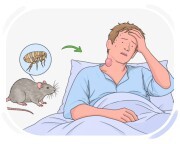
to occur at a specific time or location

avvenire
avvenire

Ex: The historic event took place centuries ago. 
Chiudi
Accedi
plague
plague
[sostantivo]

a dangerous disease spread by rats that causes fever and swellings, often kills if infected

peste

peste

Ex: Symptoms of the plague can include fever, chills, headache, weakness, and painful swollen lymph nodes. 
Chiudi
Accedi
global
global
[aggettivo]

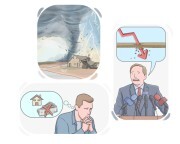
regarding or affecting the entire world

globale

globale

Ex: The internet enables global communication and access to information across continents. 

Internet consente una comunicazione globale e l'accesso alle informazioni attraverso i continenti.
Chiudi
Accedi
crisis
crisis
[sostantivo]

a period of serious difficulty or danger that requires immediate action

crisi

crisi

Ex: The country faced a severe economic crisis. 
Chiudi
Accedi
to result in

to cause something to occur

provocare qualcosa, causare un determinato risultato

provocare qualcosa, causare un determinato risultato

Ex: Proper maintenance will result in longer-lasting equipment. 

Una manutenzione adeguata porterà a attrezzature più durature.

Chiudi
Accedi
on the cusp of
on the cusp of
[Preposizione]

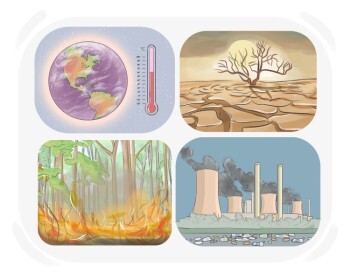
at the starting point of a major development or change

sull'orlo di, alle soglie di

sull'orlo di, alle soglie di

Ex: She was on the cusp of a new chapter in her life. 

Era sull'orlo di un nuovo capitolo della sua vita.
Chiudi
Accedi
climate crisis
climate crisis
[sostantivo]

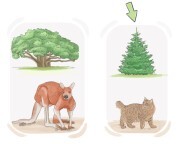
an urgent situation in which proper action must be taken to remove the threats done to the environment

crisi climatica
crisi climatica

Chiudi
Accedi
widespread
widespread
[aggettivo]

existing or spreading among many people, groups, or communities through communication, influence, or awareness

diffuso, generalizzato

diffuso, generalizzato

Ex: The belief that drinking eight glasses of water a day is necessary is widespread but not scientifically proven. 

La convinzione che bere otto bicchieri d'acqua al giorno sia necessario è diffusa ma non scientificamente provata.

Chiudi
Accedi
displacement
displacement
[sostantivo]

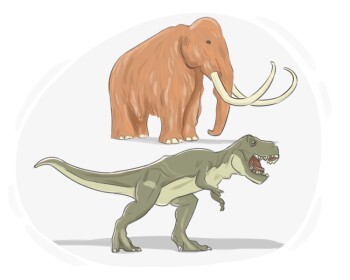
expulsion of people from their homes, typically caused by war, persecution, or natural catastrophe

dislocamento
dislocamento

Chiudi
Accedi
extinction
extinction
[sostantivo]

a situation in which a particular animal or plant no longer exists

estinzione

estinzione

Chiudi
Accedi
unaddressed
unaddressed
[aggettivo]

not addressed

non affrontato, non indirizzato

non affrontato, non indirizzato

Chiudi
Accedi
radical
radical
[aggettivo]

(of actions, ideas, etc.) very new and different from the norm

radicale

radicale

Ex: She took a radical step by quitting her job to travel the world. 
Chiudi
Accedi
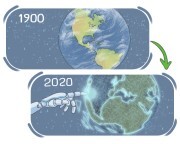
to call for

to make something required, necessary, or appropriate

richiedere

richiedere

Ex: The global challenge calls for coordinated efforts across nations. 

La sfida globale richiede sforzi coordinati tra le nazioni.
Chiudi
Accedi
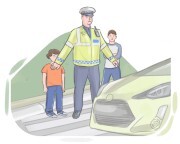
to revolutionize

to change something in a significant or fundamental way

rivoluzionare

rivoluzionare

Ex: The adoption of e-commerce has revolutionized the retail and shopping experience. 

L'adozione dell'e-commerce ha rivoluzionato l'esperienza retail e di acquisto.
Chiudi
Accedi
to safeguard

to protect someone or something from harm, loss, or damage

proteggere,  salvaguardare

proteggere, salvaguardare

Ex: Strong passwords can safeguard your personal information. 
Chiudi
Accedi
humanity
humanity
[sostantivo]

the quality of being kind, empathetic, and understanding towards others, and treating them with respect and dignity

umanità, bontà

umanità, bontà

Ex: The volunteers' humanity shone through their selfless efforts to help the needy. 

L'umanità dei volontari è emersa attraverso i loro sforzi disinteressati per aiutare i bisognosi.

Chiudi
Accedi
catastrophe
catastrophe
[sostantivo]

a state of extreme ruin, misfortune, or irreversible damage

catastrofe, disastro

catastrofe, disastro

Ex: The economic collapse was a catastrophe for millions. 

Il crollo economico è stato una catastrofe per milioni di persone.

Chiudi
Accedi
pestilence
pestilence
[sostantivo]

any epidemic disease with a high death rate

peste, epidemia mortale

peste, epidemia mortale

Chiudi
Accedi
to turn to
to turn to
[Verbo]

to direct one's interest or attention toward a specific subject or activity

rivolgersi a, dedicarsi a

rivolgersi a, dedicarsi a

Ex: In times of trouble, people often turn to their close friends for support. 

Nei momenti di difficoltà, le persone spesso si rivolgono ai loro amici stretti per ottenere supporto.

Chiudi
Accedi
urban planning
urban planning
[sostantivo]

the process of organizing the future development and physical layout of towns and cities

urbanistica

urbanistica

Ex: The project emphasizes urban planning that supports public transportation. 
Chiudi
Accedi
to follow
to follow
[Verbo]

to conform and adhere to the principles, practices, or guidelines established by someone or something

seguire, aderire

seguire, aderire

Ex: The TV series follows the novel's storyline closely. 
Chiudi
Accedi
typical
typical
[aggettivo]

representing the usual characteristics of a person, thing, or group

tipico, caratteristico

tipico, caratteristico

Ex: The food at that restaurant is typical of Italian cuisine. 

Il cibo di quel ristorante è tipico della cucina italiana.

Chiudi
Accedi
trend
trend
[sostantivo]

an overall way in which something is changing or developing

tendenza

tendenza

Ex: Social media platforms often influence trends in popular culture and communication styles. 
Chiudi
Accedi
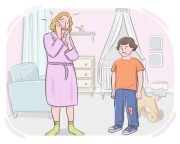
due to
due to
[Preposizione]

as a result of a specific cause or reason

a causa di

a causa di

Ex: The cancellation of classes was due to a teacher strike. 

La cancellazione delle lezioni è stata dovuta a uno sciopero degli insegnanti.
Chiudi
Accedi
excessive
excessive
[aggettivo]

beyond what is considered normal or socially acceptable

eccessivo, smisurato

eccessivo, smisurato

Ex: The storm caused excessive damage to the property, far beyond what was expected. 

La tempesta ha causato danni eccessivi alla proprietà, ben oltre quanto previsto.

Chiudi
Accedi
unfulfilled
unfulfilled
[aggettivo]

indicating a goal, wish, etc. that has not been accomplished, carried out, or come true

insoddisfatto

insoddisfatto

Chiudi
Accedi
given
given
[Preposizione]

used to indicate that something is provided or accepted as a basis for a particular situation or argument

dato, considerato

dato, considerato

Ex: Given his experience, he was the obvious choice for the job. 
Chiudi
Accedi
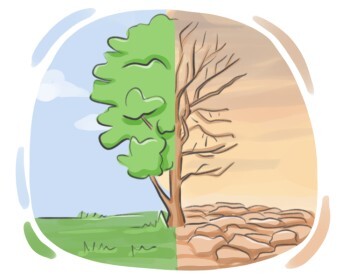
unsustainable
unsustainable
[aggettivo]

not capable of being maintained or continued over the long term

insostenibile,  non sostenibile

insostenibile, non sostenibile

Ex: Urban sprawl was leading to unsustainable levels of traffic congestion and pollution. 

L'espansione urbana stava portando a livelli insostenibili di congestione del traffico e inquinamento.
Chiudi
Accedi
global climate change

a change in the world's climate

cambiamento climatico globale,  riscaldamento globale

cambiamento climatico globale, riscaldamento globale

Chiudi
Accedi
natural
natural
[aggettivo]

functioning or occurring in a normal way; lacking abnormalities or deficiencies

naturale, normale

naturale, normale

Chiudi
Accedi
to wonder
to wonder
[Verbo]

to want to know about something particular

domandarsi

domandarsi

Ex: I wonder where they are now. 
Chiudi
Accedi
renowned
renowned
[aggettivo]

famous and admired by many people

rinomato

rinomato

Ex: The renowned author's novels have been translated into numerous languages. 

I romanzi dell'autore rinomato sono stati tradotti in numerose lingue.
Chiudi
Accedi
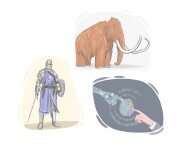
era
era
[sostantivo]

a period of history characterized by particular events, developments, or features

era
era

Ex: Digital technology has created a new era of communication. 
Chiudi
Accedi
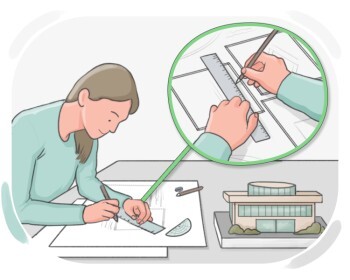
architecture
architecture
[sostantivo]

the art, study, or profession of designing buildings and other structures

architettura

architettura

Ex: Modern architecture often combines function with simple design. 
Chiudi
Accedi
Renaissance man
Renaissance man
[sostantivo]

a person who is skilled and knowledgeable in many different subjects or areas

uomo del Rinascimento, uomo universale

uomo del Rinascimento, uomo universale

Ex: The professor was a true Renaissance man with talents in science, art, and music. 

Il professore era un vero uomo del Rinascimento con talenti nella scienza, nell'arte e nella musica.

Chiudi
Accedi
LanGeek
Scarica l'app LanGeek
