pattern

Cambridge IELTS 18 - Академический - Тест 2 - Чтение - Отрывок 3 (1)

Изучайте словарный запас из первой части Cambridge IELTS 18 Academic, Test 2 Reading Passage 3, с полезными словами и выражениями из текста.

Обзор

Флэш-карточки

формы

Правописание

Тест

Начать учиться
Cambridge IELTS 18 - Academic
ahead of {one's} time

having ideas, beliefs, or qualities that are more advanced or progressive than those of the current period or one's peers

Ex: His ideas were ahead of his time. 
Закрыть
Войти
genius
genius
[существительное]

someone who is very smart or is very skilled in a specific activity

гений

гений

Ex: Albert Einstein is widely regarded as a genius in physics. 

Альберт Эйнштейн широко считается гением в физике.
Закрыть
Войти
to associate
to associate
[глагол]

to make a connection between someone or something and another in the mind

связывать

связывать

Ex: Many people associate the smell of freshly baked cookies with home. 
Закрыть
Войти
to embody
to embody
[глагол]

to be a clear or perfect example of a particular quality, belief, or idea

воплощать

воплощать

Ex: She embodies the values of patience and generosity. 
Закрыть
Войти
spirit
spirit
[существительное]

a tendency or mindset of a particular type

настрой, душевное состояние

настрой, душевное состояние

Ex: He worked in a spirit of generosity. 
Закрыть
Войти
artistic
artistic
[прилагательное]

having or showing creativity and skill in the arts

художественный, творческий

художественный, творческий

Ex: He has an artistic nature that shows in everything he does. 

У него артистическая натура, которая проявляется во всем, что он делает.

Закрыть
Войти
humanist
humanist
[прилагательное]

showing strong concern for human welfare, dignity, and values

гуманистический

гуманистический

Ex: The architect followed humanist principles when designing the public housing. 
Закрыть
Войти
sensibility
sensibility
[существительное]

the capacity to deeply appreciate and react to complicated emotional or aesthetic impacts

чувствительность

чувствительность

Ex: The poet’s sensibility enabled him to convey complicated emotions through simple verses. 

Чувствительность поэта позволила ему передавать сложные эмоции через простые стихи.

Закрыть
Войти
to fade
to fade
[глагол]

to gradually become weaker, less noticeable, or disappear

исчезать

исчезать

Ex: The sound of footsteps slowly faded in the distance. 
Закрыть
Войти
insignificance
insignificance
[существительное]

the quality of having little or no significance

незначительность

незначительность

Закрыть
Войти
thinking
thinking
[существительное]

the set of opinions or ideas that one has about something

мыслящий

мыслящий

Ex: His thinking on the issue has changed over time. 
Закрыть
Войти
Renaissance
Renaissance
[существительное]

the period between the 14th and 16th centuries in Europe, marked by a rise of interest in Greek and Roman cultures, which is dominant in the art, philosophy, etc. of the times

эпоха Возрождения

эпоха Возрождения

Ex: The Renaissance period is known for its remarkable achievements in art, science, and literature. 

Период Возрождения известен своими выдающимися достижениями в искусстве, науке и литературе.

Закрыть
Войти
to mark
to mark
[глагол]

to serve as a distinguishing quality or characteristic of someone or something

характеризовать, отличать

характеризовать, отличать

Ex: Careful attention to detail marks all of his work. 
Закрыть
Войти
transition
transition
[существительное]

the process or period of changing from one state, condition, or situation to another

переход

переход

Ex: The transition from school to full-time work can be difficult. 
Закрыть
Войти
modernity
modernity
[существительное]

the quality of being up-to-date or related to recent times, especially in culture, technology, or ideas

современность

современность

Ex: The artist’s work reflects the modernity of the 21st century, blending technology with traditional techniques. 

Работа художника отражает современность 21-го века, сочетая технологии с традиционными техниками.

Закрыть
Войти
to [take] place
to take place
[фраза]

to occur at a specific time or location

происходить
происходить

Ex: The wedding will take place in a beautiful garden by the lake. 
Закрыть
Войти
plague
plague
[существительное]

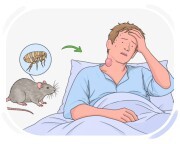
a dangerous disease spread by rats that causes fever and swellings, often kills if infected

чума

чума

Ex: The plague, also known as the Black Death, is a deadly infectious disease caused by the bacterium Yersinia pestis. 
Закрыть
Войти
global
global
[прилагательное]

regarding or affecting the entire world

глобальный, всемирный

глобальный, всемирный

Ex: The pandemic has had a global impact on public health, economies, and daily life. 

Пандемия оказала глобальное влияние на общественное здоровье, экономику и повседневную жизнь.
Закрыть
Войти
crisis
crisis
[существительное]

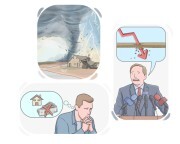
a period of serious difficulty or danger that requires immediate action

кризис

кризис

Ex: During times of crisis, it's essential to remain calm and focused in order to effectively manage the situation and ensure the safety of those involved. 
Закрыть
Войти
to result in
to result in
[глагол]

to cause something to occur

приводить к чему-то, вызвать определенный результат

приводить к чему-то, вызвать определенный результат

Ex: His reckless driving resulted in a serious accident. 

Его безрассудное вождение привело к серьезной аварии.

Закрыть
Войти
on the cusp of
on the cusp of
[предлог]

at the starting point of a major development or change

В тот момент времени,  который знаменует начало чего-то

В тот момент времени, который знаменует начало чего-то

Ex: As graduation approached, Sarah felt like she was on the cusp, ready to embark on a new chapter in her life. 

По мере приближения выпускного Саре казалось, что она на пороге нового этапа в своей жизни.
Закрыть
Войти
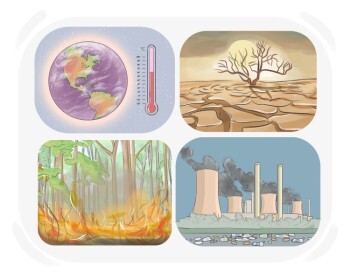
climate crisis
climate crisis
[существительное]

an urgent situation in which proper action must be taken to remove the threats done to the environment

климатический кризис
климатический кризис

Закрыть
Войти
widespread
widespread
[прилагательное]

existing or spreading among many people, groups, or communities through communication, influence, or awareness

широко распространенный

широко распространенный

Ex: The disease outbreak caused widespread panic among the population. 

Вспышка болезни вызвала широко распространенную панику среди населения.

Закрыть
Войти
displacement
displacement
[существительное]

expulsion of people from their homes, typically caused by war, persecution, or natural catastrophe

перемещение
перемещение

Закрыть
Войти
extinction
extinction
[существительное]

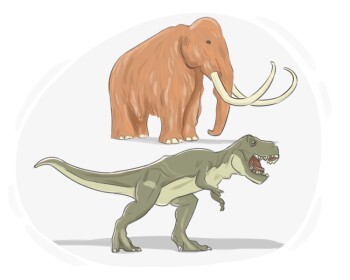
a situation in which a particular animal or plant no longer exists

вымирание

вымирание

Закрыть
Войти
unaddressed
unaddressed
[прилагательное]

not addressed

нерешенный, неадресованный

нерешенный, неадресованный

Закрыть
Войти
radical
radical
[прилагательное]

(of actions, ideas, etc.) very new and different from the norm

радикальный

радикальный

Ex: The company introduced a radical new approach to online learning. 
Закрыть
Войти
to call for
to call for
[глагол]

to make something required, necessary, or appropriate

требоваться

требоваться

Ex: Success often calls for perseverance. 

Успех часто требует настойчивости.

Закрыть
Войти
to revolutionize
to revolutionize
[глагол]

to change something in a significant or fundamental way

полностью изменить, кардинально изменить

полностью изменить, кардинально изменить

Ex: The invention of the internet revolutionized the way people communicate and access information. 

Изобретение интернета революционизировало способ общения людей и доступа к информации.
Закрыть
Войти
to safeguard
to safeguard
[глагол]

to protect someone or something from harm, loss, or damage

защищать,  охранять

защищать, охранять

Ex: The new regulations are intended to safeguard consumers from fraud. 
Закрыть
Войти
humanity
humanity
[существительное]

the quality of being kind, empathetic, and understanding towards others, and treating them with respect and dignity

человечество

человечество

Ex: Her acts of humanity in the community earned her widespread admiration. 

Ее поступки человечности в обществе принесли ей всеобщее восхищение.

Закрыть
Войти
catastrophe
catastrophe
[существительное]

a state of extreme ruin, misfortune, or irreversible damage

катастрофа, бедствие

катастрофа, бедствие

Ex: The company was in a catastrophe after years of mismanagement. 

Компания оказалась в катастрофе после многих лет плохого управления.

Закрыть
Войти
pestilence
pestilence
[существительное]

any epidemic disease with a high death rate

чума, смертельная эпидемия

чума, смертельная эпидемия

Закрыть
Войти
to turn to
to turn to
[глагол]

to direct one's interest or attention toward a specific subject or activity

обращаться к, уделять внимание

обращаться к, уделять внимание

Ex: The group turned to brainstorming ideas for the upcoming event. 

Группа переключилась на мозговой штурм идей для предстоящего мероприятия.

Закрыть
Войти
urban planning
urban planning
[существительное]

the process of organizing the future development and physical layout of towns and cities

городское планирование

городское планирование

Ex: Urban planning can shape how neighborhoods grow over time. 
Закрыть
Войти
to follow
to follow
[глагол]

to conform and adhere to the principles, practices, or guidelines established by someone or something

подчиняться

подчиняться

Ex: The company follows strict safety rules. 
Закрыть
Войти
typical
typical
[прилагательное]

representing the usual characteristics of a person, thing, or group

типичный, характерный

типичный, характерный

Ex: His punctuality is typical of a professional. 

Его пунктуальность типична для профессионала.

Закрыть
Войти
trend
trend
[существительное]

an overall way in which something is changing or developing

тенденция

тенденция

Ex: The industry is following a trend toward smaller devices. 
Закрыть
Войти
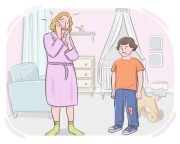
due to
due to
[предлог]

as a result of a specific cause or reason

из-за

из-за

Ex: The flight delay was due to heavy fog at the airport. 

Задержка рейса была из-за густого тумана в аэропорту.
Закрыть
Войти
excessive
excessive
[прилагательное]

beyond what is considered normal or socially acceptable

чрезмерный, избыточный

чрезмерный, избыточный

Ex: The amount of sugar in the cake was excessive, making it overly sweet. 

Количество сахара в торте было чрезмерным, что делало его слишком сладким.

Закрыть
Войти
unfulfilled
unfulfilled
[прилагательное]

indicating a goal, wish, etc. that has not been accomplished, carried out, or come true

невыполненный

невыполненный

Закрыть
Войти
given
given
[предлог]

used to indicate that something is provided or accepted as a basis for a particular situation or argument

учитывая, принимая во внимание

учитывая, принимая во внимание

Ex: Given the weather conditions, it would be wise to bring an umbrella. 
Закрыть
Войти
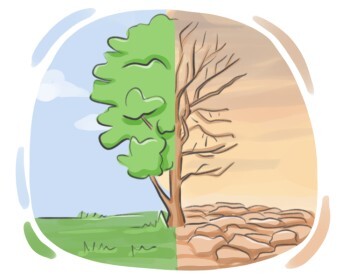
unsustainable
unsustainable
[прилагательное]

not capable of being maintained or continued over the long term

неустойчивый,  нежизнеспособный

неустойчивый, нежизнеспособный

Ex: Deforestation for agriculture was causing an unsustainable loss of biodiversity in the region. 

Вырубка лесов для сельского хозяйства вызывала неустойчивую потерю биоразнообразия в регионе.
Закрыть
Войти
global climate change
[существительное]

a change in the world's climate

глобальное изменение климата,  глобальное потепление

глобальное изменение климата, глобальное потепление

Закрыть
Войти
natural
natural
[прилагательное]

functioning or occurring in a normal way; lacking abnormalities or deficiencies

естественный, нормальный

естественный, нормальный

Закрыть
Войти
to wonder
to wonder
[глагол]

to want to know about something particular

интересоваться

интересоваться

Ex: I often wonder what life would be like in a different time period. 
Закрыть
Войти
renowned
renowned
[прилагательное]

famous and admired by many people

известный

известный

Ex: The renowned scientist was honored with a Nobel Prize for his groundbreaking research. 

Известный ученый был удостоен Нобелевской премии за свои новаторские исследования.
Закрыть
Войти
era
era
[существительное]

a period of history characterized by particular events, developments, or features

эра

эра

Ex: The discovery marked the beginning of a new era in medicine. 
Закрыть
Войти
architecture
architecture
[существительное]

the art, study, or profession of designing buildings and other structures

архитектура

архитектура

Ex: Emma studied architecture at university. 
Закрыть
Войти
Renaissance man
Renaissance man
[существительное]

a person who is skilled and knowledgeable in many different subjects or areas

человек эпохи Возрождения, универсальный человек

человек эпохи Возрождения, универсальный человек

Ex: Many people admired him as a Renaissance man because of his wide range of interests. 

Многие люди восхищались им как человеком эпохи Возрождения из-за его широкого круга интересов.

Закрыть
Войти
LanGeek
Скачать приложение LanGeek