
Cambridge IELTS 18 - Akademický - Test 2 - Čtení - Úryvek 3 (1)
Zde najdete slovní zásobu z Testu 2 - Čtení - Pasáž 3 (1) v učebnici Cambridge IELTS 18 - Academic, která vám pomůže připravit se na vaši zkoušku IELTS.
Revize
Kartičky
tvary
Pravopis
Kvíz

having ideas, beliefs, or qualities that are more advanced or progressive than those of the current period or one's peers

someone who is very smart or is very skilled in a specific activity

génius, zázračné dítě
Mnozí považují Leonarda da Vinciho za génia za jeho příspěvky k umění a vědě.
to make a connection between someone or something and another in the mind
spojovat, asociovat
Červená barva je běžně spojována s vášní a intenzitou v různých kulturách.
to express a particular characterization or a thing as a person
ztělesňovat, personifikovat
Hlavní postava románu je vytvořena tak, aby ztělesňovala ducha vzpoury.
a tendency or mindset of a particular type
duch, mentalita
Přistoupil k debatě v duchu otevřenosti.
having or showing creativity and skill in the arts
umělecký, kreativní
Obě moje děti jsou velmi umělecké a rády malují.
the capacity to deeply appreciate and react to complicated emotional or aesthetic impacts
citlivost, vnímavost
Projevil velkou citlivost při reakci na složité téma filmu.
to disappear slowly
vyblednout, pomalu mizet
Navzdory jeho nejlepším snahám začala naděje v jeho srdci vybledávat, když dny plynuly bez jakýchkoli zpráv.
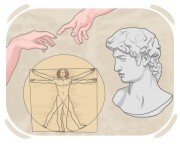
the period between the 14th and 16th centuries in Europe, marked by a rise of interest in Greek and Roman cultures, which is dominant in the art, philosophy, etc. of the times
Renesance
Florencie je často považována za rodiště renesance díky svému vzkvétajícímu kulturnímu a uměleckému prostředí.
to serve as a distinguishing quality or characteristic of someone or something
charakterizovat, odlišit
Odhodlání, které označuje jeho snahu o dokonalost, ho pohání k dosažení jeho cílů.
the process or period of changing from one state, place, or condition to another
přechod, změna
Přechod ze studentského života do pracovní síly může být náročný.
the quality of being up-to-date or related to recent times, especially in culture, technology, or ideas
modernost, současnost
Román je komentářem k tomu, jak modernost ovlivňuje vztahy a osobní identitu.
to occur at a specific time or location
a dangerous disease spread by rats that causes fever and swellings, often kills if infected
mor, černá smrt
Příznaky mor mohou zahrnovat horečku, zimnici, bolesti hlavy, slabost a bolestivě oteklé lymfatické uzliny.

regarding or affecting the entire world
globální, světový
Internet umožňuje globální komunikaci a přístup k informacím napříč kontinenty.
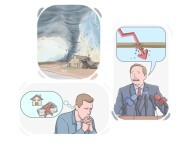
a period of serious difficulty or danger that requires immediate action
krize, nouzová situace
V dobách krize je nezbytné zůstat v klidu a soustředěně, aby bylo možné situaci efektivně zvládnout a zajistit bezpečnost zúčastněných.

to cause something to occur
vést k, mít za následek
Správná údržba povede k odolnějšímu vybavení.
at the starting point of a major development or change
na prahu, na pokraji
Byla na prahu začátku nové kapitoly ve svém životě, když absolvovala vysokou školu a připravovala se na své první zaměstnání.
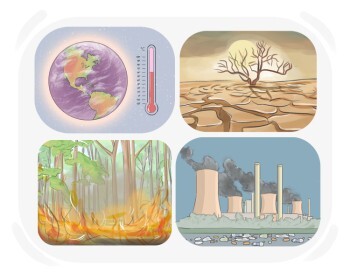
an urgent situation in which proper action must be taken to remove the threats done to the environment
klimatická krize
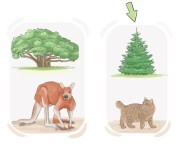
existing or spreading among many people, groups, or communities through communication, influence, or awareness
rozšířený, obecný
Přesvědčení, že je nutné vypít osm sklenic vody denně, je rozšířené, ale není vědecky prokázané.
expulsion of people from their homes, typically caused by war, persecution, or natural catastrophe
přemístění, vyhnání
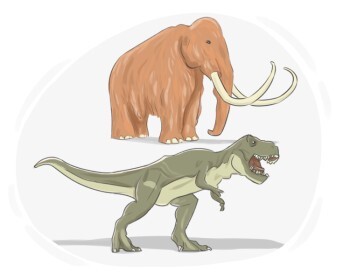
a situation in which a particular animal or plant no longer exists
vyhynutí
(of actions, ideas, etc.) very new and different from the norm
radikální, revoluční
Udělala radikální krok tím, že opustila práci, aby mohla cestovat po světě.

to make something required, necessary, or appropriate
vyžadovat, potřebovat
Globální výzva vyžaduje koordinované úsilí mezi národy.
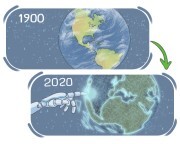
to change something in a significant or fundamental way
revolucionizovat, radikálně změnit
Přijetí elektronického obchodu revolucionovalo maloobchodní a nákupní zkušenost.
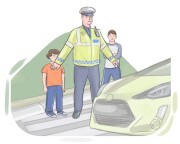
to take steps to ensure the safety and security of something or someone
chránit, zabezpečit
Rodiče podnikají kroky k ochraně svých dětí tím, že zabezpečí dům.
the quality of being kind, empathetic, and understanding towards others, and treating them with respect and dignity
lidství, laskavost
Lidskost dobrovolníků zářila skrze jejich nezištné úsilí pomoci potřebným.
a state of extreme ruin, misfortune, or irreversible damage
katastrofa, pohroma
Ekonomický kolaps byl katastrofou pro miliony.
to direct one's interest or attention toward a specific subject or activity
obrátit se k, věnovat se
V dobách potíží se lidé často obracejí na své blízké přátele o podporu.
determining and drawing up plans for the future physical arrangement and condition of a community
územní plánování, urbanismus
to conform and adhere to the principles, practices, or guidelines established by someone or something
následovat, dodržovat
Televizní seriál sleduje děj románu velmi blízce.
representing the usual characteristics of a person, thing, or group
typický, charakteristický
Jídlo v té restauraci je typické pro italskou kuchyni.
an overall way in which something is changing or developing
trend, tendence
Platformy sociálních médií často ovlivňují trendy v populární kultuře a komunikačních stylech.
as a result of a specific cause or reason
kvůli, z důvodu
Zrušení hodin bylo kvůli stávce učitelů.
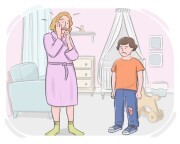
beyond what is considered normal or socially acceptable
nadměrný, přemrštěný
Bouře způsobila nadměrné škody na majetku, daleko za hranicemi očekávání.
indicating a goal, wish, etc. that has not been accomplished, carried out, or come true
nesplněný, nespokojený
used to indicate that something is provided or accepted as a basis for a particular situation or argument
vzhledem k, s ohledem na
Vzhledem k povětrnostním podmínkám by bylo moudré vzít si deštník.
not capable of being maintained or continued over the long term
neudržitelný, neudržitelný
Městská expanze vedla k neudržitelným úrovním dopravních zácp a znečištění.
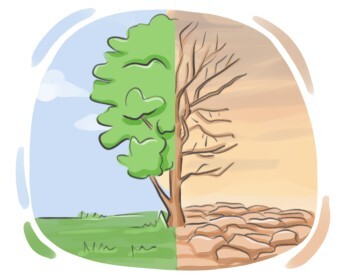
a change in the world's climate
globální změna klimatu, globální oteplování
functioning or occurring in a normal way; lacking abnormalities or deficiencies
přirozený, normální

to want to know about something particular
přemýšlet, uvažovat
Často přemýšlím, jaký by byl život v jiném časovém období.

famous and admired by many people
proslulý, renomovaný
Romány slavného autora byly přeloženy do mnoha jazyků.
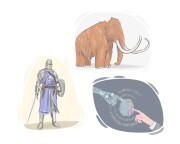
a period of history marked by particular features or events
éra, období
Pád Berlínské zdi znamenal začátek nové éry v evropské politice.
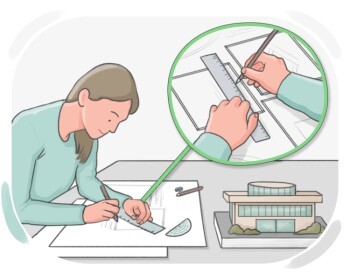
the study or art of building and designing houses
architektura
Byla přitahována architekturou kvůli jejímu jedinečnému spojení kreativity, technických dovedností a řešení problémů v zastavěném prostředí.
a person who is skilled and knowledgeable in many different subjects or areas
renesanční člověk, univerzální člověk
Profesor byl opravdový renesanční člověk s talenty ve vědě, umění a hudbě.
