pattern

Cambridge IELTS 18 - Academic - Test 2 - Czytanie - Fragment 3 (1)

Ucz się słownictwa z pierwszej części Cambridge IELTS 18 Academic, Test 2 Reading Passage 3, wraz z przydatnymi słowami i wyrażeniami z tekstu.

Przegląd

Fiszki

formy

Pisownia

Test
Zacznij naukę
Cambridge IELTS 18 - Academic
ahead of {one's} time

having ideas, beliefs, or qualities that are more advanced or progressive than those of the current period or one's peers

Ex: The artist was ahead of her time in her style. 
genius
genius
[Rzeczownik]

someone who is very smart or is very skilled in a specific activity

geniusz, cudowne dziecko

geniusz, cudowne dziecko

Ex: The professor recognized the student’s hidden genius in mathematics. 

Profesor dostrzegł ukryty geniusz ucznia w matematyce.
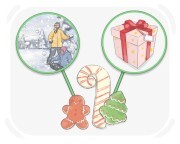
to associate
to associate
[Czasownik]

to make a connection between someone or something and another in the mind

kojarzyć, wiązać

kojarzyć, wiązać

Ex: Many people associate the smell of freshly baked cookies with warmth and home. 
to embody
to embody
[Czasownik]

to be a clear or perfect example of a particular quality, belief, or idea

ucieleśniać,  uosabiać

ucieleśniać, uosabiać

Ex: For many supporters, she embodies hope for political change. 
spirit
spirit
[Rzeczownik]

a tendency or mindset of a particular type

nastawienie, mentalność

nastawienie, mentalność

Ex: He worked in the spirit of generosity. 
artistic
artistic
[przymiotnik]

having or showing creativity and skill in the arts

artystyczny, kreatywny

artystyczny, kreatywny

Ex: Both of my kids are very artistic and love to paint. 

Oboje moich dzieci są bardzo artystyczne i uwielbiają malować.

humanist
humanist
[przymiotnik]

showing strong concern for human welfare, dignity, and values

humanistyczny

humanistyczny

Ex: Critics praised the novel's humanist vision of social responsibility. 
sensibility
sensibility
[Rzeczownik]

the capacity to deeply appreciate and react to complicated emotional or aesthetic impacts

wrażliwość, uczuciowość

wrażliwość, uczuciowość

Ex: The writer's sensibility was evident in her portrayal of the characters' inner struggles. 

Wrażliwość pisarza była widoczna w jego przedstawieniu wewnętrznych zmagań postaci.

to fade
to fade
[Czasownik]

to gradually become weaker, less noticeable, or disappear

słabnąć,  zanikać

słabnąć, zanikać

Ex: The light faded as the sun went down. 
insignificance
insignificance
[Rzeczownik]

the quality of having little or no significance

nieistotność

nieistotność

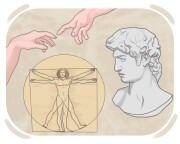
thinking
thinking
[Rzeczownik]

the set of opinions or ideas that one has about something

myślenie, refleksja
myślenie, refleksja

Ex: Their thinking was influenced by recent research. 
Renaissance
Renaissance
[Rzeczownik]

the period between the 14th and 16th centuries in Europe, marked by a rise of interest in Greek and Roman cultures, which is dominant in the art, philosophy, etc. of the times

Renesans

Renesans

Ex: The printing press, invented during the Renaissance, revolutionized the way knowledge was disseminated. 

Prasa drukarska, wynaleziona w okresie Renesansu, zrewolucjonizowała sposób rozpowszechniania wiedzy.

to mark
to mark
[Czasownik]

to serve as a distinguishing quality or characteristic of someone or something

charakteryzować, wyróżniać

charakteryzować, wyróżniać

Ex: The humility that marks her interactions with others sets her apart from her peers. 
transition
transition
[Rzeczownik]

the process or period of changing from one state, condition, or situation to another

przejście

przejście

Ex: Daniel helped his parents during their transition to retirement. 
modernity
modernity
[Rzeczownik]

the quality of being up-to-date or related to recent times, especially in culture, technology, or ideas

nowoczesność, współczesność

nowoczesność, współczesność

Ex: The young couple's apartment was decorated with a mix of vintage charm and modernity. 

Mieszkanie młodej pary było udekorowane mieszanką vintage'owego uroku i nowoczesności.

to [take] place

to occur at a specific time or location
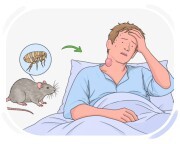
Ex: The seminar will take place in the afternoon. 
plague
plague
[Rzeczownik]

a dangerous disease spread by rats that causes fever and swellings, often kills if infected

dżuma, czarna śmierć

dżuma, czarna śmierć

Ex: Historical outbreaks of the plague have had devastating consequences, including widespread mortality during pandemics such as the Black Death in the 14th century. 
global
global
[przymiotnik]

regarding or affecting the entire world

globalny, światowy

globalny, światowy

Ex: The United Nations works to address global challenges such as poverty, hunger, and human rights violations. 

Organizacja Narodów Zjednoczonych pracuje nad rozwiązaniem globalnych wyzwań, takich jak ubóstwo, głód i naruszenia praw człowieka.
crisis
crisis
[Rzeczownik]

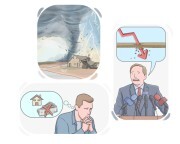
a period of serious difficulty or danger that requires immediate action

kryzys, sytuacja kryzysowa

kryzys, sytuacja kryzysowa

Ex: During a crisis, it is important to remain calm and focused. 
to result in
to result in
[Czasownik]

to cause something to occur

skutkować czymś, spowodować określony rezultat

skutkować czymś, spowodować określony rezultat

Ex: Good communication can result in stronger relationships with others. 

Dobra komunikacja może skutkować silniejszymi relacjami z innymi.

on the cusp of
on the cusp of
[Przyimek]

at the starting point of a major development or change

na krawędzi, u progu

na krawędzi, u progu

Ex: She was on the cusp of starting a new chapter in her life as she graduated from college and prepared for her first job. 

Była na progu rozpoczęcia nowego rozdziału w swoim życiu, gdy ukończyła college i przygotowywała się do swojej pierwszej pracy.
climate crisis
climate crisis
[Rzeczownik]

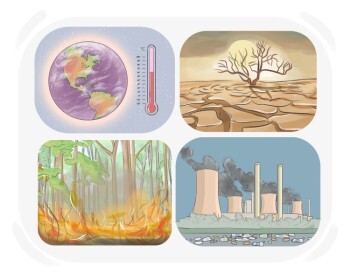
an urgent situation in which proper action must be taken to remove the threats done to the environment

kryzys klimatyczny
kryzys klimatyczny

widespread
widespread
[przymiotnik]

existing or spreading among many people, groups, or communities through communication, influence, or awareness

rozpowszechniony, powszechny

rozpowszechniony, powszechny

Ex: The hurricane caused widespread damage to homes, infrastructure, and crops along the coast. 

Huragan spowodował powszechne zniszczenia domów, infrastruktury i upraw wzdłuż wybrzeża.

displacement
displacement
[Rzeczownik]

expulsion of people from their homes, typically caused by war, persecution, or natural catastrophe

przesiedlenie, wypędzenie
przesiedlenie, wypędzenie

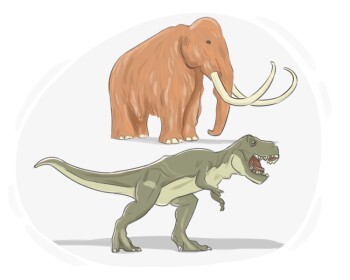
extinction
extinction
[Rzeczownik]

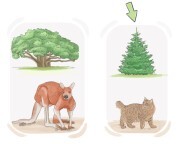
a situation in which a particular animal or plant no longer exists

wymarcie

wymarcie

unaddressed
unaddressed
[przymiotnik]

not addressed

nierozwiązany, nieadresowany

nierozwiązany, nieadresowany

radical
radical
[przymiotnik]

(of actions, ideas, etc.) very new and different from the norm

radykalny, rewolucyjny

radykalny, rewolucyjny

Ex: The scientist proposed a radical theory that challenged established beliefs. 
to call for
to call for
[Czasownik]

to make something required, necessary, or appropriate

wymagać, potrzebować

wymagać, potrzebować

Ex: Success in this field often calls for years of dedicated practice. 

Sukces w tej dziedzinie często wymaga lat poświęconej praktyki.
to revolutionize
to revolutionize
[Czasownik]

to change something in a significant or fundamental way

zrewolucjonizować, zmienić radykalnie

zrewolucjonizować, zmienić radykalnie

Ex: Innovations in artificial intelligence are expected to revolutionize various industries. 

Innowacje w dziedzinie sztucznej inteligencji mają zrewolucjonizować różne branże.
to safeguard
to safeguard
[Czasownik]

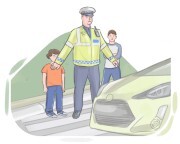
to protect someone or something from harm, loss, or damage

chronić,  zabezpieczać

chronić, zabezpieczać

Ex: The museum installed better security to safeguard its valuable collection. 
humanity
humanity
[Rzeczownik]

the quality of being kind, empathetic, and understanding towards others, and treating them with respect and dignity

humanitarność, życzliwość

humanitarność, życzliwość

Ex: Their humanity was evident in their compassionate treatment of all people. 

Ich ludzkość była widoczna w ich współczującym traktowaniu wszystkich ludzi.

catastrophe
catastrophe
[Rzeczownik]

a state of extreme ruin, misfortune, or irreversible damage

katastrofa, klęska

katastrofa, klęska

Ex: The loss of leadership left the organization in catastrophe. 

Utrata przywództwa pozostawiła organizację w katastrofie.

pestilence
pestilence
[Rzeczownik]

any epidemic disease with a high death rate

zaraza, epidemia o wysokiej śmiertelności

zaraza, epidemia o wysokiej śmiertelności

to turn to
to turn to
[Czasownik]

to direct one's interest or attention toward a specific subject or activity

zwrócić się ku, zająć się

zwrócić się ku, zająć się

Ex: The manager turned to addressing the concerns of the employees. 

Kierownik zwrócił się ku rozwiązywaniu obaw pracowników.

urban planning
urban planning
[Rzeczownik]

the process of organizing the future development and physical layout of towns and cities

planowanie urbanistyczne

planowanie urbanistyczne

Ex: Urban planning helped determine where new parks and roads would be built. 
to follow
to follow
[Czasownik]

to conform and adhere to the principles, practices, or guidelines established by someone or something

podążać, przestrzegać

podążać, przestrzegać

Ex: She follows a vegan lifestyle, avoiding all animal products. 
typical
typical
[przymiotnik]

representing the usual characteristics of a person, thing, or group

typowy, charakterystyczny

typowy, charakterystyczny

Ex: The weather here is typical for the season—cold and snowy. 

Pogoda tutaj jest typowa dla pory roku—zimna i śnieżna.

trend
trend
[Rzeczownik]

an overall way in which something is changing or developing

trend, tendencja

trend, tendencja

Ex: The current trend in fashion includes bold patterns and vibrant colors. 
due to
due to
[Przyimek]

as a result of a specific cause or reason

z powodu, z uwagi na

z powodu, z uwagi na

Ex: The increase in prices was due to inflation. 

Wzrost cen był spowodowany inflacją.

excessive
excessive
[przymiotnik]

beyond what is considered normal or socially acceptable

nadmierny, przesadny

nadmierny, przesadny

Ex: His excessive use of social media started to interfere with his daily responsibilities. 

Jego nadmierne korzystanie z mediów społecznościowych zaczęło kolidować z codziennymi obowiązkami.

unfulfilled
unfulfilled
[przymiotnik]

indicating a goal, wish, etc. that has not been accomplished, carried out, or come true

niespełniony, niezadowolony

niespełniony, niezadowolony

given
given
[Przyimek]

used to indicate that something is provided or accepted as a basis for a particular situation or argument

biorąc pod uwagę, zważywszy na

biorąc pod uwagę, zważywszy na

Ex: Given the traffic, we should leave early. 
unsustainable
unsustainable
[przymiotnik]

not capable of being maintained or continued over the long term

niezrównoważony,  niemożliwy do utrzymania

niezrównoważony, niemożliwy do utrzymania

Ex: The rapid depletion of fossil fuels was making our current energy consumption patterns unsustainable. 

Szybkie wyczerpywanie się paliw kopalnych sprawiało, że nasze obecne wzorce zużycia energii były niezrównoważone.
global climate change

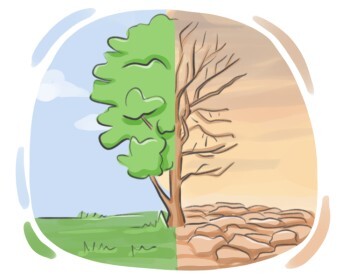
a change in the world's climate

globalna zmiana klimatu,  globalne ocieplenie

globalna zmiana klimatu, globalne ocieplenie

natural
natural
[przymiotnik]

functioning or occurring in a normal way; lacking abnormalities or deficiencies

naturalny, normalny
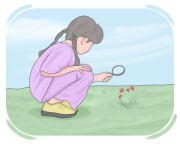
naturalny, normalny

to wonder
to wonder
[Czasownik]

to want to know about something particular

zastanawiać się, rozmyślać

zastanawiać się, rozmyślać

Ex: She wondered why he had left so early. 
renowned
renowned
[przymiotnik]

famous and admired by many people

sławny, renomowany

sławny, renomowany

Ex: The renowned chef's restaurant received a Michelin star for its exceptional cuisine. 

Restauracja sławnego szefa kuchni otrzymała gwiazdkę Michelin za wyjątkową kuchnię.
era
era
[Rzeczownik]

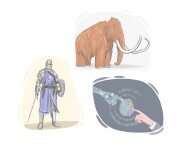
a period of history characterized by particular events, developments, or features

era,  epoka
era, epoka

Ex: The agreement brought an end to an era of conflict. 
architecture
architecture
[Rzeczownik]

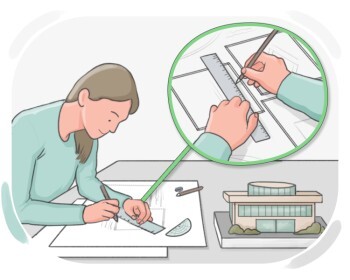
the art, study, or profession of designing buildings and other structures

architektura

architektura

Ex: She became interested in architecture after visiting Rome. 
Renaissance man
Renaissance man
[Rzeczownik]

a person who is skilled and knowledgeable in many different subjects or areas

człowiek renesansu, człowiek wszechstronny

człowiek renesansu, człowiek wszechstronny

Ex: The speaker was praised as a Renaissance man during the event. 

Mówca został pochwalony jako człowiek renesansu podczas wydarzenia.

LanGeek
Pobierz aplikację LanGeek