pattern

Cambridge IELTS 18 - Academic - Test 2 - Läsning - Avsnitt 3 (1)

Lär dig vokabulär från den första delen av Cambridge IELTS 18 Academic, Test 2 Reading Passage 3, med användbara ord och uttryck från texten.

Recension

Flashcards

former

Stavning

Quiz

Starta lärandet
Cambridge IELTS 18 - Academic
ahead of {one's} time

having ideas, beliefs, or qualities that are more advanced or progressive than those of the current period or one's peers

Ex: The artist was ahead of her time in her style. 
Stäng
Logga in
genius
genius
[Substantiv]

someone who is very smart or is very skilled in a specific activity

geni, underbarn

geni, underbarn

Ex: The professor recognized the student’s hidden genius in mathematics. 

Professorn erkände studentens dolda geni i matematik.
Stäng
Logga in
to associate

to make a connection between someone or something and another in the mind

associera, förbinda

associera, förbinda

Ex: Many people associate the smell of freshly baked cookies with home. 
Stäng
Logga in
to embody
to embody
[Verb]

to be a clear or perfect example of a particular quality, belief, or idea

förkroppsliga,  personifiera

förkroppsliga, personifiera

Ex: For many supporters, she embodies hope for political change. 
Stäng
Logga in
spirit
spirit
[Substantiv]

a tendency or mindset of a particular type

anda, mentalitet

anda, mentalitet

Ex: He worked in a spirit of generosity. 
Stäng
Logga in
artistic
artistic
[adjektiv]

having or showing creativity and skill in the arts

konstnärlig, kreativ

konstnärlig, kreativ

Ex: He has an artistic nature that shows in everything he does. 

Han har en konstnärlig natur som visar sig i allt han gör.

Stäng
Logga in
humanist
humanist
[adjektiv]

showing strong concern for human welfare, dignity, and values

humanistisk

humanistisk

Ex: Critics praised the novel's humanist vision of social responsibility. 
Stäng
Logga in
sensibility
sensibility
[Substantiv]

the capacity to deeply appreciate and react to complicated emotional or aesthetic impacts

känslighet, mottaglighet

känslighet, mottaglighet

Ex: The writer's sensibility was evident in her portrayal of the characters' inner struggles. 

Författarens känslighet var tydlig i hennes skildring av karaktärernas inre strider.

Stäng
Logga in
to fade
to fade
[Verb]

to gradually become weaker, less noticeable, or disappear

tona bort,  blekna

tona bort, blekna

Ex: The light faded as the sun went down. 
Stäng
Logga in
insignificance
insignificance
[Substantiv]

the quality of having little or no significance

obetydlighet

obetydlighet

Stäng
Logga in
thinking
thinking
[Substantiv]

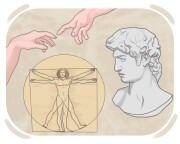
the set of opinions or ideas that one has about something

tänkande, reflektion
tänkande, reflektion

Ex: Their thinking was influenced by recent research. 
Stäng
Logga in
Renaissance
Renaissance
[Substantiv]

the period between the 14th and 16th centuries in Europe, marked by a rise of interest in Greek and Roman cultures, which is dominant in the art, philosophy, etc. of the times

Renässans

Renässans

Ex: The printing press, invented during the Renaissance, revolutionized the way knowledge was disseminated. 

Tryckpressen, uppfunnen under renässansen, revolutionerade sättet på vilket kunskap spreds.

Stäng
Logga in
to mark
to mark
[Verb]

to serve as a distinguishing quality or characteristic of someone or something

karakterisera, särskilja

karakterisera, särskilja

Ex: Careful attention to detail marks all of his work. 
Stäng
Logga in
transition
transition
[Substantiv]

the process or period of changing from one state, condition, or situation to another

övergång

övergång

Ex: Daniel helped his parents during their transition to retirement. 
Stäng
Logga in
modernity
modernity
[Substantiv]

the quality of being up-to-date or related to recent times, especially in culture, technology, or ideas

modernitet, samtidighet

modernitet, samtidighet

Ex: The young couple's apartment was decorated with a mix of vintage charm and modernity. 

Det unga parets lägenhet var inredd med en blandning av vintage charm och modernitet.

Stäng
Logga in
to [take] place

to occur at a specific time or location
Ex: The seminar will take place in the afternoon. 
Stäng
Logga in
plague
plague
[Substantiv]

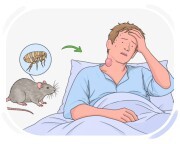
a dangerous disease spread by rats that causes fever and swellings, often kills if infected

pesten, den svarta döden

pesten, den svarta döden

Ex: Historical outbreaks of the plague have had devastating consequences, including widespread mortality during pandemics such as the Black Death in the 14th century. 
Stäng
Logga in
global
global
[adjektiv]

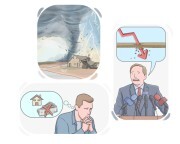
regarding or affecting the entire world

global, världsomspännande

global, världsomspännande

Ex: The United Nations works to address global challenges such as poverty, hunger, and human rights violations. 

Förenta nationerna arbetar för att hantera globala utmaningar som fattigdom, hunger och brott mot mänskliga rättigheter.
Stäng
Logga in
crisis
crisis
[Substantiv]

a period of serious difficulty or danger that requires immediate action

kris, nödläge

kris, nödläge

Ex: During a crisis, it is important to remain calm and focused. 
Stäng
Logga in
to result in

to cause something to occur

leda till något, orsaka ett visst resultat

leda till något, orsaka ett visst resultat

Ex: Good communication can result in stronger relationships with others. 

God kommunikation kan resultera i starkare relationer med andra.

Stäng
Logga in
on the cusp of
on the cusp of
[Preposition]

at the starting point of a major development or change

på gränsen till, vid början av

på gränsen till, vid början av

Ex: As graduation approached, Sarah felt like she was on the cusp, ready to embark on a new chapter in her life. 

När examen närmade sig kände Sarah att hon var på gränsen till att börja ett nytt kapitel i sitt liv.
Stäng
Logga in
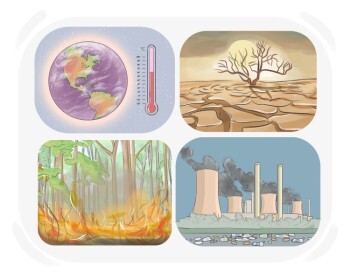
climate crisis
climate crisis
[Substantiv]

an urgent situation in which proper action must be taken to remove the threats done to the environment

klimatkris
klimatkris

Stäng
Logga in
widespread
widespread
[adjektiv]

existing or spreading among many people, groups, or communities through communication, influence, or awareness

utbredd, allmän

utbredd, allmän

Ex: Widespread opposition to the new law forced the government to reconsider its implementation. 

Utbredd motstånd mot den nya lagen tvingade regeringen att ompröva dess genomförande.

Stäng
Logga in
displacement
displacement
[Substantiv]

expulsion of people from their homes, typically caused by war, persecution, or natural catastrophe

förflyttning, utdrivning

förflyttning, utdrivning

Stäng
Logga in
extinction
extinction
[Substantiv]

a situation in which a particular animal or plant no longer exists

utrotning

utrotning

Stäng
Logga in
unaddressed
unaddressed
[adjektiv]

not addressed

oåtgärdad, oadresserad

oåtgärdad, oadresserad

Stäng
Logga in
radical
radical
[adjektiv]

(of actions, ideas, etc.) very new and different from the norm

radikal, revolutionär

radikal, revolutionär

Ex: The company introduced a radical new approach to online learning. 
Stäng
Logga in
to call for

to make something required, necessary, or appropriate

kräva, behöva

kräva, behöva

Ex: Success in this field often calls for years of dedicated practice. 

Framgång på detta område kräver ofta år av hängiven övning.
Stäng
Logga in
to revolutionize

to change something in a significant or fundamental way

revolutionera, förändra på ett grundläggande sätt

revolutionera, förändra på ett grundläggande sätt

Ex: Innovations in artificial intelligence are expected to revolutionize various industries. 

Innovationer inom artificiell intelligens förväntas revolutionera olika branscher.
Stäng
Logga in
to safeguard

to protect someone or something from harm, loss, or damage

skydda,  säkra

skydda, säkra

Ex: The museum installed better security to safeguard its valuable collection. 
Stäng
Logga in
humanity
humanity
[Substantiv]

the quality of being kind, empathetic, and understanding towards others, and treating them with respect and dignity

mänsklighet, vänlighet

mänsklighet, vänlighet

Ex: Their humanity was evident in their compassionate treatment of all people. 

Deras mänsklighet var tydlig i deras medkännande behandling av alla människor.

Stäng
Logga in
catastrophe
catastrophe
[Substantiv]

a state of extreme ruin, misfortune, or irreversible damage

katastrof, olycka

katastrof, olycka

Ex: The loss of leadership left the organization in catastrophe. 

Förlusten av ledarskap lämnade organisationen i katastrof.

Stäng
Logga in
pestilence
pestilence
[Substantiv]

any epidemic disease with a high death rate

pest, dödlig epidemi

pest, dödlig epidemi

Stäng
Logga in
to turn to

to direct one's interest or attention toward a specific subject or activity

vända sig till, ägna sig åt

vända sig till, ägna sig åt

Ex: The manager turned to addressing the concerns of the employees. 

Chefen vände sig till att ta itu med anställdas bekymmer.

Stäng
Logga in
urban planning
urban planning
[Substantiv]

the process of organizing the future development and physical layout of towns and cities

stadsplanering

stadsplanering

Ex: Urban planning helped determine where new parks and roads would be built. 
Stäng
Logga in
to follow
to follow
[Verb]

to conform and adhere to the principles, practices, or guidelines established by someone or something

följa, hålla sig till

följa, hålla sig till

Ex: The company follows strict safety rules. 
Stäng
Logga in
typical
typical
[adjektiv]

representing the usual characteristics of a person, thing, or group

typisk, karakteristisk

typisk, karakteristisk

Ex: The weather here is typical for the season—cold and snowy. 

Vädret här är typiskt för säsongen—kallt och snöigt.

Stäng
Logga in
trend
trend
[Substantiv]

an overall way in which something is changing or developing

trend, tendens

trend, tendens

Ex: The industry is following a trend toward smaller devices. 
Stäng
Logga in
due to
due to
[Preposition]

as a result of a specific cause or reason

på grund av, tack vare

på grund av, tack vare

Ex: The increase in prices was due to inflation. 

Prisökningen berodde på inflation.

Stäng
Logga in
excessive
excessive
[adjektiv]

beyond what is considered normal or socially acceptable

överdriven, omåttlig

överdriven, omåttlig

Ex: His excessive use of social media started to interfere with his daily responsibilities. 

Hans överdrivna användning av sociala medier började störa hans dagliga ansvar.

Stäng
Logga in
unfulfilled
unfulfilled
[adjektiv]

indicating a goal, wish, etc. that has not been accomplished, carried out, or come true

ouppfylld, missnöjd

ouppfylld, missnöjd

Stäng
Logga in
given
given
[Preposition]

used to indicate that something is provided or accepted as a basis for a particular situation or argument

givet, med hänsyn till

givet, med hänsyn till

Ex: Given the traffic, we should leave early. 
Stäng
Logga in
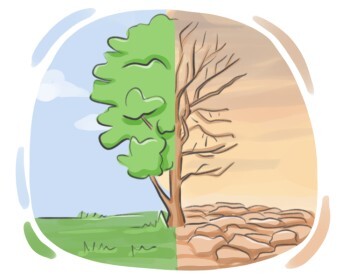
unsustainable
unsustainable
[adjektiv]

not capable of being maintained or continued over the long term

ohållbar,  inte hållbar

ohållbar, inte hållbar

Ex: The rapid depletion of fossil fuels was making our current energy consumption patterns unsustainable. 

Den snabba uttömningen av fossila bränslen gjorde våra nuvarande energikonsumtionsmönster ohållbara.
Stäng
Logga in
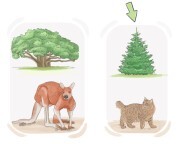
global climate change

a change in the world's climate

global klimatförändring,  global uppvärmning

global klimatförändring, global uppvärmning

Stäng
Logga in
natural
natural
[adjektiv]

functioning or occurring in a normal way; lacking abnormalities or deficiencies

naturlig, normal

naturlig, normal

Stäng
Logga in
to wonder
to wonder
[Verb]

to want to know about something particular

undra, fundera

undra, fundera

Ex: She wondered why he had left so early. 
Stäng
Logga in
renowned
renowned
[adjektiv]

famous and admired by many people

berömd, känd

berömd, känd

Ex: The renowned chef's restaurant received a Michelin star for its exceptional cuisine. 

Den kände kockens restaurang fick en Michelinstjärna för sin exceptionella matlagning.
Stäng
Logga in
era
era
[Substantiv]

a period of history characterized by particular events, developments, or features
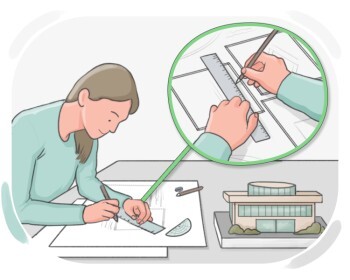
Ex: The agreement brought an end to an era of conflict. 
Stäng
Logga in
architecture
architecture
[Substantiv]

the art, study, or profession of designing buildings and other structures

arkitektur

arkitektur

Ex: She became interested in architecture after visiting Rome. 
Stäng
Logga in
Renaissance man
Renaissance man
[Substantiv]

a person who is skilled and knowledgeable in many different subjects or areas

renässansmänniska, universell människa

renässansmänniska, universell människa

Ex: Her friends often described her as a modern Renaissance man. 

Hennes vänner beskrev henne ofta som en modern Renaissancemänniska.

Stäng
Logga in
LanGeek
Ladda ner LanGeek app