pattern

B1レベルの単語リスト - 副詞と前置詞

ここでは、B1レベルの学習者のために準備された「according to」、「within」、「like」などのいくつかの英語の副詞と前置詞を学びます。

復習

フラッシュカード

綴り

クイズ

学習を開始
CEFR B1 Vocabulary
according to
according to
[前置詞]

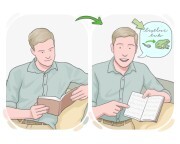
as stated, reported, or shown by a particular person or source of information
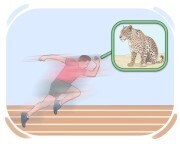
Ex: According to historical records, the building was constructed in the early 1900s. 
as
as
[前置詞]

used to show that a person or thing looks like someone or something else

のように,として

のように,として

Ex: She danced with elegance, graceful as a swan. 

彼女は優雅に踊り、白鳥のように優雅だった。

like
like
[前置詞]

used to provide an example

のような

のような

Ex: She studies subjects like math, science, and history. 

彼女は数学、科学、歴史などの科目を勉強しています。

within
within
[前置詞]

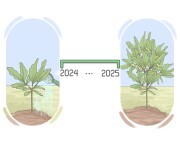
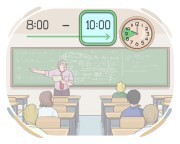
before a specified amount of time has passed

Ex: They sold out within minutes of opening. 
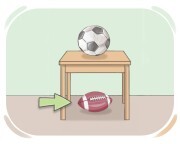
below
below
[副詞]

in a position or location situated beneath or lower than something else

下に,下方に

下に,下方に

Ex: The painting hung high, with the console table sitting quietly below. 

絵は高く掛けられ、コンソールテーブルが静かに下に置かれていた。

underneath
underneath
[前置詞]

used to show that something or someone is directly below or under something

の下に,下に

の下に,下に

Ex: The cat hid underneath the porch during the storm. 

猫は嵐の間、ポーチの下に隠れました。

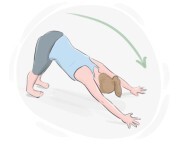
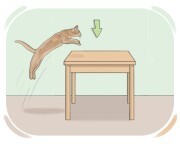
downward
downward
[副詞]

toward a lower level or position

下方へ,下向きに

下方へ,下向きに

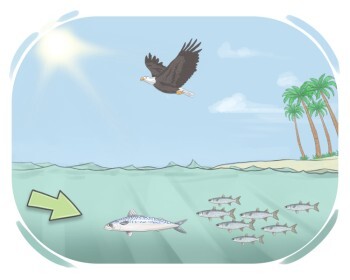
Ex: The bird spiraled downward through the open sky. 

鳥は開けた空を下向きに螺旋状に降りた。

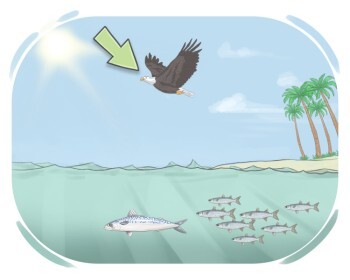
nearby
nearby
[副詞]

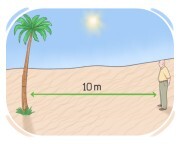
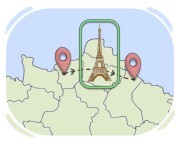
at or within a short distance from a particular place
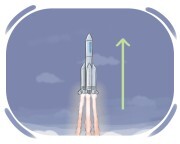
Ex: Sarah lives nearby and often walks to work. 
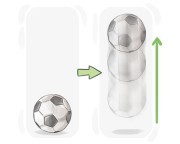
upward
upward
[副詞]

toward a higher level

上向きに,上方へ

上向きに,上方へ

Ex: The elevator smoothly ascended, moving upward to the top floor. 

エレベーターは滑らかに上昇し、上向きに最上階まで移動しました。

high
high
[副詞]

at a great distance or elevation from the ground or a reference point

高い,高く

高い,高く

Ex: The kite soared high in the sky, dancing with the wind. 

凧は風と共に踊りながら、空高く舞い上がりました。

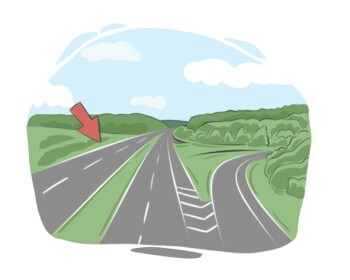
along
along
[副詞]

in the direction of a road, path, etc., indicating a forward movement

に沿って,前へ

に沿って,前へ

Ex: She walked along, lost in thought. 

彼女は沿って歩き、考え事にふけっていた。

anywhere
anywhere
[副詞]

in, at, or to any place, without specifying where

Ex: You can sit anywhere you like. 
everywhere
everywhere
[副詞]

to or in all places

どこでも,至る所で

どこでも,至る所で

Ex: The fragrance of flowers filled the air, making it feel like spring everywhere. 

花の香りが空気に満ち、どこもかしこも春のように感じさせた どこでも。

nowhere
nowhere
[副詞]

in, at, or to no place

どこにも,どこにもない

どこにも,どこにもない

Ex: My keys were nowhere to be found. 
somewhere
somewhere
[副詞]

in, at, or to a place that is not known or specified

Ex: I left the keys somewhere on the kitchen counter. 
away
away
[副詞]

at a distance from someone, somewhere, or something

離れて,遠くに

離れて,遠くに

Ex: She turned and walked quietly away from the noise. 

彼女は振り返り、静かに騒音から離れて歩いていった。

behind
behind
[副詞]

at the rear, far side, or back side of something

後ろに,背後に

後ろに,背後に

Ex: She looked behind and saw her friends waving goodbye. 

彼女は後ろを振り返り、友達が手を振って別れを告げるのを見た。

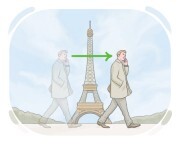
by
by
[副詞]

used to refer to moving past or alongside something or someone

そばに,横に

そばに,横に

Ex: The train rushed by, leaving a gust of wind in its wake. 

電車が通り過ぎ、その後に一陣の風を残した。

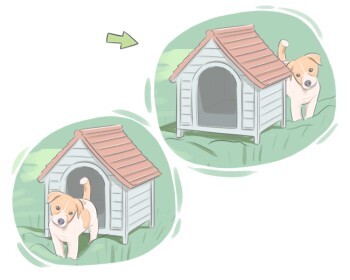
directly
directly
[副詞]

in a straight line or by the shortest route, without changing direction or stopping
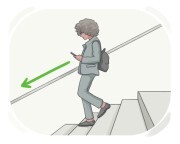
Ex: The narrow road leads directly to the beach. 
down
down
[副詞]

at or toward a lower level or position

下に,下方へ

下に,下方へ

Ex: After the performance, the curtain slowly came down on the stage. 

パフォーマンスの後、カーテンがゆっくりと舞台の上で下がりました。

up
up
[副詞]

at or toward a higher level or position

上に,上方へ

上に,上方へ

Ex: Climbing up took more effort than she expected. 

上に登るのは彼女が予想していたより多くの努力を要した。

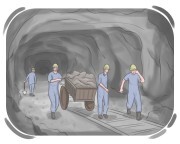
underground
underground
[副詞]

beneath the surface of the ground

地下に, 地中に

地下に, 地中に

Ex: The miners remained underground for several hours. 
among
among
[前置詞]

in the center of or surrounded by a group of things or people

の中で、に囲まれて

の中で、に囲まれて

Ex: The rare flower was hidden among the dense foliage of the forest. 

珍しい花は森の密集した葉 の間に 隠されていた。

into
into
[前置詞]

to the inner part or a position inside a place

に,の中に

に,の中に

Ex: She walked into the room and greeted everyone. 

彼女は部屋に中へ入り、皆に挨拶した。

onto
onto
[前置詞]

used to show movement to a position or on a place or object

上に,へ

上に,へ

Ex: The athlete jumped onto the podium, celebrating their victory with pride. 

その選手は表彰台に跳び乗り、誇らしげに勝利を祝った。

off
off
[副詞]

at or to a certain distance away in physical space

離れて,遠くに

離れて,遠くに

Ex: He watched silently from ten feet off. 

彼は10フィート離れて静かに見ていた。

close
close
[副詞]

at or to a short distance from someone or something
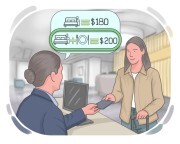
Ex: Please stand close so everyone can fit into the photograph. 
including
including
[前置詞]

used to point out that something or someone is part of a set or group

含む,を含めて

含む,を含めて

Ex: He has visited many countries, including France, Italy, and Spain. 

彼はフランス、イタリア、スペインを含む多くの国を訪れました。

per
per
[前置詞]

for one person or thing

あたり

あたり

Ex: The car rental agency charges $50 per day for a compact car. 

レンタカー会社はコンパクトカーに1日50ドルごとに請求します。

plus
plus
[前置詞]

in addition to something else

に加えて,プラス

に加えて,プラス

Ex: We need chairs plus tables for the event. 

イベントには椅子プラステーブルが必要です。

till
till
[前置詞]

up to a particular time or event, indicating when a situation or activity ends or changes
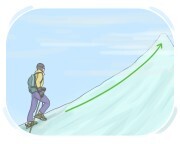
Ex: She can't go out till she finishes her homework. 
toward
toward
[前置詞]

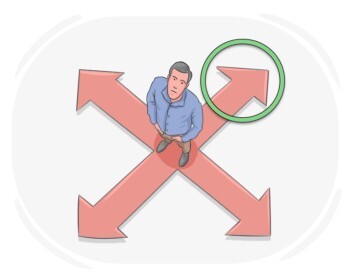
in the direction of someone or something
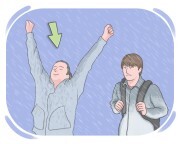
Ex: The hikers headed toward the summit of the mountain. 
unlike
unlike
[前置詞]

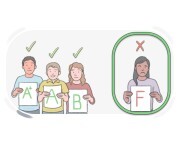
used to introduce differences between two things or people

とは異なり,と違って

とは異なり,と違って

Ex: He is very outgoing and friendly, unlike his brother. 

彼は非常に社交的で友好的で、彼の兄弟とは違います。

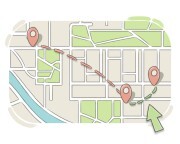
via
via
[前置詞]

used to indicate that something or someone moves or travels by passing through a place on the way to another

経由

経由

Ex: You can reach the museum via this bridge. 

この橋を経由して博物館に到着できます。

badly
badly
[副詞]

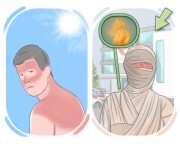
in a way that involves significant harm, damage, or danger

ひどく,深刻に

ひどく,深刻に

Ex: The team played badly and lost by a huge margin. 

チームはひどくプレーし、大差で負けた。

without
without
[前置詞]

used to indicate that a person or thing does not have something or someone

なしで,の不在で

なしで,の不在で

Ex: She sang without music. 

彼女は音楽なしで歌った。

backward
backward
[副詞]

in or to the direction opposite to the front

後ろに,後方へ

後ろに,後方へ

Ex: He walked backward to get a better view of the artwork. 

彼は作品をよく見るために後ろ向きに歩いた。

but
but
[前置詞]

used to show exclusion or exception from a group or category

以外,を除いて

以外,を除いて

Ex: She has no one but herself to blame. 

彼女は自分自身以外に責めるべき人はいない。

LanGeek
LanGeekアプリをダウンロード