
pattern

SAT 語彙スキル 2 - レッスン 42

レビュー

フラッシュカード

語形

綴り

クイズ

学習を開始
SAT Word Skills 2
dilettante
dilettante
[名詞]

a person who has an interest in a particular subject but lacks determination or knowledge on the matter

ディレッタント, アマチュア

ディレッタント, アマチュア

Ex: He dabbled in painting but considered himself more of a dilettante than a serious artist, rarely devoting enough time to master the craft. 

彼は絵画に手を出したが、自分を真剣なアーティストというよりはディレッタントだと考えており、技術を習得するのに十分な時間を費やすことはめったになかった。
diligence
diligence
[名詞]

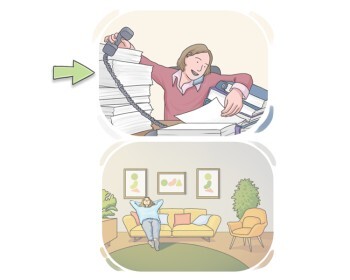
persistent effort or attention towards a task or goal

勤勉, 努力

勤勉, 努力

Ex: She approached her studies with great diligence, always ensuring her work was thorough. 

彼女は勤勉さをもって勉強に取り組み、常に自分の仕事が徹底していることを確認しました。
diligent
diligent
[形容詞]

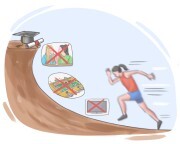
consistently putting in the necessary time and energy to achieve one's goals

勤勉な, 努力家の

勤勉な, 努力家の

Ex: His diligent work ethic helped him excel in his career. 

彼の勤勉な仕事への姿勢が、キャリアで優れた成果を出すのに役立ちました。

energetic
energetic
[形容詞]

active and full of energy

エネルギッシュ, 活発

エネルギッシュ, 活発

Ex: Mary's energetic dance moves lit up the stage during the performance. 

メアリーのエネルギッシュなダンスの動きが、パフォーマンス中にステージを照らしました。

to enervate
to enervate
[動詞]

to cause someone to lose physical or mental energy or strength

弱らせる, 消耗させる

弱らせる, 消耗させる

Ex: The long, grueling workout served to enervate him, leaving him feeling completely drained. 

長くて骨の折れるワークアウトは彼を弱らせるために役立ち、彼を完全に消耗させた。
to enfeeble
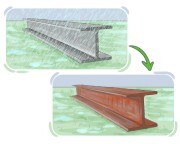
to enfeeble
[動詞]

to cause someone or something to lose strength

弱らせる, 衰弱させる

弱らせる, 衰弱させる

Ex: Lack of exercise can enfeeble muscles over time. 

運動不足は時間とともに筋肉を弱くする可能性があります。

vainglory
vainglory
[名詞]

too much pride in one's abilities or achievements

虚栄, 過度の誇り

虚栄, 過度の誇り

vainglorious
vainglorious
[形容詞]

showing excessive pride in one's abilities or accomplishments

虚栄心の強い, 自慢げな

虚栄心の強い, 自慢げな

recession
recession
[名詞]

a hard time in a country's economy characterized by a reduction in employment, production, and trade

不況

不況

Ex: The recession caused a significant drop in consumer confidence, affecting retail sales. 
recessive
recessive
[形容詞]

(of a gene or trait) showing its specific appearance only when an individual inherits it from both parents

劣性の, 潜性の

劣性の, 潜性の

Ex: Blue eyes are caused by a recessive gene that requires two copies. 
to assess
to assess
[動詞]

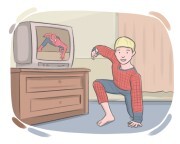
to form a judgment on the quality, worth, nature, ability or importance of something, someone, or a situation

評価する, 判断する
評価する, 判断する

Ex: The financial analyst is assessing the company's financial statements to provide investment advice. 
assessor
assessor
[名詞]

an expert who calculates the value of something to impose tax on it

評価者, 税務専門家

評価者, 税務専門家

impersonal
impersonal
[形容詞]

not related to any individual

非人称の, 個人的でない

非人称の, 個人的でない

to impersonate

to act or pretend to be someone else, typically for the purpose of entertainment or mimicry

真似る, なりすます

真似る, なりすます

Ex: The actor was able to impersonate the famous politician so convincingly that even close associates were fooled. 

その俳優は有名な政治家をとても説得力を持って演じることができたので、親しい仲間でさえ騙された。

to displace
to displace
[動詞]

to make someone leave their home by force, particularly because of an unpleasant event

移動させる, 追い出す

移動させる, 追い出す

Ex: The conflict in the region has continued to displace thousands of families. 

その地域の紛争は何千人もの家族を追いやり続けています。

disposition
disposition
[名詞]

the inherent qualities that one is normally characterized by

気質, 性質

気質, 性質

Ex: Her cheerful disposition made her a favorite among her colleagues and friends. 

彼女の陽気な気質は、同僚や友人たちの間でお気に入りにさせた。

to dispossess

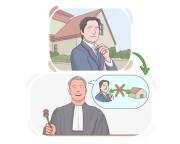
to take away someone's ownership of a property

没収する, 取り上げる

没収する, 取り上げる

Ex: In times of war, invading forces may dispossess individuals of their homes and lands. 

戦時中、侵略軍は個人から家や土地を奪うことがあります。

impasse
impasse
[名詞]

a difficult situation in which opposing parties cannot reach an agreement

行き詰まり, 膠着状態

行き詰まり, 膠着状態

Ex: Negotiations reached an impasse after both sides refused to budge. 

両側が譲歩を拒否した後、交渉は行き詰まりに達した。

impassable
impassable
[形容詞]

(of a path) not possible to travel across or through

通れない, 越えられない

通れない, 越えられない

LanGeek
LanGeekアプリをダウンロード