
pattern

Abilități Lexicale pentru SAT 2 - Lecția 42

Revizuire

Fișe de studiu

forme

Ortografie

Chestionar
Începe să înveți
SAT Word Skills 2
dilettante
dilettante
[substantiv]

a person who has an interest in a particular subject but lacks determination or knowledge on the matter

dilettant, amator

dilettant, amator

Ex: He dabbled in painting but considered himself more of a dilettante than a serious artist, rarely devoting enough time to master the craft. 

A experimentat pictura dar s-a considerat mai degrabă un dilettant decât un artist serios, dedicând rareori suficient timp pentru a stăpâni meseria.
Închide
Conectare
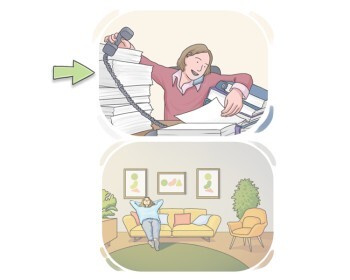
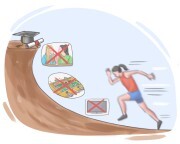
diligence
diligence
[substantiv]

persistent effort or attention towards a task or goal

diligență, sârguință

diligență, sârguință

Ex: She approached her studies with great diligence, always ensuring her work was thorough. 

Ea și-a abordat studiile cu mare diligentă, asigurându-se întotdeauna că munca ei este temeinică.
Închide
Conectare
diligent
diligent
[adjectiv]

consistently putting in the necessary time and energy to achieve one's goals

diligent, harnic

diligent, harnic

Ex: His diligent work ethic helped him excel in his career. 

Etica lui de muncă harnică l-a ajutat să excelențeze în carieră.

Închide
Conectare
energetic
energetic
[adjectiv]

active and full of energy

energic, dinamic

energic, dinamic

Ex: Mary's energetic dance moves lit up the stage during the performance. 

Mișcările de dans energice ale lui Mary au luminat scena în timpul spectacolului.

Închide
Conectare
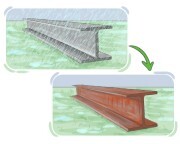
to enervate

to cause someone to lose physical or mental energy or strength

slăbi, epuiza

slăbi, epuiza

Ex: The long, grueling workout served to enervate him, leaving him feeling completely drained. 

Antrenamentul lung și obositor a servit la a-l slăbi, lăsându-l să se simtă complet epuizat.
Închide
Conectare
to enfeeble

to cause someone or something to lose strength

slăbi, debilita

slăbi, debilita

Ex: Lack of exercise can enfeeble muscles over time. 

Lipsa exercițiilor poate slăbi mușchii în timp.

Închide
Conectare
vainglory
vainglory
[substantiv]

too much pride in one's abilities or achievements

vanitate, mândrie excesivă

vanitate, mândrie excesivă

Închide
Conectare
vainglorious
vainglorious
[adjectiv]

showing excessive pride in one's abilities or accomplishments

vanitos, mândru

vanitos, mândru

Închide
Conectare
recession
recession
[substantiv]

a hard time in a country's economy characterized by a reduction in employment, production, and trade

recesiune

recesiune

Ex: During the recession, many businesses were forced to close, leading to widespread job losses. 

În timpul recesiunii, multe afaceri au fost obligate să închidă, ducând la pierderi largi de locuri de muncă.

Închide
Conectare
recessive
recessive
[adjectiv]

(of a gene or trait) showing its specific appearance only when an individual inherits it from both parents

recesiv, ascuns

recesiv, ascuns

Închide
Conectare
to assess
to assess
[verb]

to form a judgment on the quality, worth, nature, ability or importance of something, someone, or a situation

evalua, judeca

evalua, judeca

Ex: The manager assesses employees' performance during quarterly reviews. 

Managerul evaluează performanța angajaților în timpul evaluărilor trimestriale.

Închide
Conectare
assessor
assessor
[substantiv]

an expert who calculates the value of something to impose tax on it

evaluator, expert fiscal
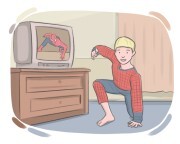
evaluator, expert fiscal

Închide
Conectare
impersonal
impersonal
[adjectiv]

not related to any individual

impersonal, depersonalizat

impersonal, depersonalizat

Închide
Conectare
to impersonate

to act or pretend to be someone else, typically for the purpose of entertainment or mimicry

imita, se da drept

imita, se da drept

Ex: The actor was able to impersonate the famous politician so convincingly that even close associates were fooled. 

Actorul a reușit să imite atât de convingător politicianul celebru încât până și apropiații au fost păcăliți.

Închide
Conectare
to displace

to make someone leave their home by force, particularly because of an unpleasant event

deplasa, strămuta

deplasa, strămuta

Ex: The conflict in the region has continued to displace thousands of families. 

Conflictul din regiune a continuat să dislocheze mii de familii.

Închide
Conectare
disposition
disposition
[substantiv]

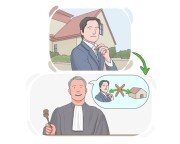
the inherent qualities that one is normally characterized by

dispoziție, temperament

dispoziție, temperament

Ex: Her cheerful disposition made her a favorite among her colleagues and friends. 

Dispoziția ei veselă a făcut-o preferată între colegii și prietenii ei.
Închide
Conectare
to dispossess

to take away someone's ownership of a property

dezapropria, expropria

dezapropria, expropria

Ex: Legal actions were taken to dispossess the delinquent tenant of the rented apartment. 

Au fost întreprinse acțiuni legale pentru a dezafecta chiriașul delinquent al apartamentului închiriat.

Închide
Conectare
impasse
impasse
[substantiv]

a difficult situation in which opposing parties cannot reach an agreement

impas, blocaj

impas, blocaj

Ex: Negotiations reached an impasse after both sides refused to budge. 

Negocierile au ajuns într-un impas după ce ambele părți au refuzat să cedeze.

Închide
Conectare
impassable
impassable
[adjectiv]

(of a path) not possible to travel across or through

imposibil de străbătut, impenetrabil

imposibil de străbătut, impenetrabil

Închide
Conectare
LanGeek
Descarcă aplicația LanGeek
