


pattern

SAT Word Skills 2 - Lesson 42

Review

Flashcards

Forms

Spelling

Quiz

Start learning
SAT Word Skills 2
dilettante

a person who has an interest in a particular subject but lacks determination or knowledge on the matter
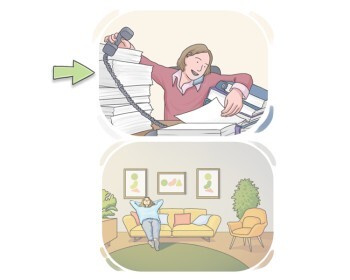
Ex: He dabbled in painting but considered himself more of a dilettante than a serious artist, rarely devoting enough time to master the craft. 
Close
Sign in
diligence
diligence
[noun]

persistent effort or attention towards a task or goal
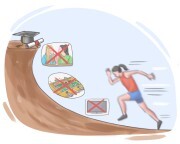
Ex: She approached her studies with great diligence, always ensuring her work was thorough. 
Close
Sign in
diligent
diligent
[Adjective]

consistently putting in the necessary time and energy to achieve one's goals

Ex: His diligent work ethic helped him excel in his career. 
Close
Sign in
energetic
energetic
[Adjective]

active and full of energy

Ex: Mary's energetic dance moves lit up the stage during the performance. 
Close
Sign in
to enervate

to cause someone to lose physical or mental energy or strength
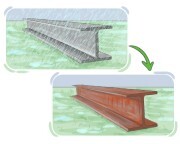
Ex: The long, grueling workout served to enervate him, leaving him feeling completely drained. 
Close
Sign in
to enfeeble

to cause someone or something to lose strength

Ex: Lack of exercise can enfeeble muscles over time. 
Close
Sign in
vainglory
vainglory
[noun]

too much pride in one's abilities or achievements

Close
Sign in
vainglorious
vainglorious
[Adjective]

showing excessive pride in one's abilities or accomplishments

Close
Sign in
recession
recession
[noun]

a hard time in a country's economy characterized by a reduction in employment, production, and trade

Ex: During the recession, many businesses were forced to close, leading to widespread job losses. 
Close
Sign in
recessive
recessive
[Adjective]

(of a gene or trait) showing its specific appearance only when an individual inherits it from both parents

Close
Sign in
to assess
to assess
[Verb]

to form a judgment on the quality, worth, nature, ability or importance of something, someone, or a situation

Ex: The manager assesses employees' performance during quarterly reviews. 
Close
Sign in
assessor
assessor
[noun]

an expert who calculates the value of something to impose tax on it

Close
Sign in
impersonal
impersonal
[Adjective]

not related to any individual

Close
Sign in
to impersonate

to act or pretend to be someone else, typically for the purpose of entertainment or mimicry

Ex: The actor was able to impersonate the famous politician so convincingly that even close associates were fooled. 
Close
Sign in
to displace

to make someone leave their home by force, particularly because of an unpleasant event

Ex: The conflict in the region has continued to displace thousands of families. 
Close
Sign in
disposition

the inherent qualities that one is normally characterized by
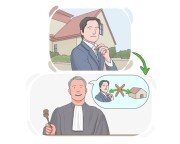
Ex: Her cheerful disposition made her a favorite among her colleagues and friends. 
Close
Sign in
to dispossess

to take away someone's ownership of a property

Ex: The government dispossessed the landowners to make way for a new highway. 
Close
Sign in
impasse
impasse
[noun]

a difficult situation in which opposing parties cannot reach an agreement

Ex: Negotiations reached an impasse after both sides refused to budge. 
Close
Sign in
impassable
impassable
[Adjective]

(of a path) not possible to travel across or through

Close
Sign in
LanGeek
Download LanGeek app