pattern

本 Face2face - 中上級 - ユニット3 - 3A

ここでは、Face2Face Upper-Intermediateコースブックのユニット3 - 3Aからの語彙を見つけることができます。例えば「万引き」、「詐欺師」、「略奪品」などです。

レビュー

フラッシュカード

語形

綴り

クイズ

学習を開始
Face2face - Upper-intermediate
crime
crime
[名詞]

an unlawful act that is punishable by the legal system

犯罪,  罪
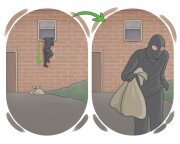
犯罪, 罪

Ex: The police are investigating the crime that occurred last night. 

警察は昨夜発生した犯罪を調査しています。

theft
theft
[名詞]

the illegal act of taking something from a place or person without permission

窃盗

窃盗

Ex: The police launched an investigation into the theft of expensive jewelry from the local boutique. 

警察は地元のブティックからの高価な宝石の盗難について調査を開始しました。

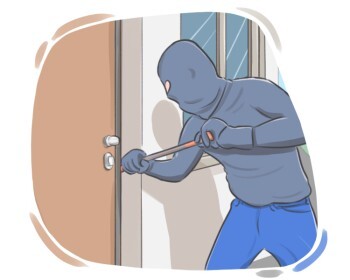
burglary
burglary
[名詞]

the crime of entering a building to commit illegal activities such as stealing, damaging property, etc.

侵入窃盗, 強盗

侵入窃盗, 強盗

Ex: The burglary at the jewelry store resulted in the loss of rare and valuable gems. 

宝石店での強盗により、希少で貴重な宝石が失われました。

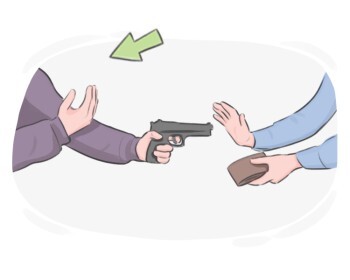
mugging
mugging
[名詞]

the act of threatening someone or beating them in order to gain some money

強盗, 暴行を加えて金を奪うこと

強盗, 暴行を加えて金を奪うこと

Ex: He reported the mugging to the police immediately. 

彼はすぐに警察に強盗を報告した。

shoplifting
shoplifting
[名詞]

the crime of taking goods from a store without paying for them

万引き, 店舗内窃盗

万引き, 店舗内窃盗

Ex: Shoplifting is considered a serious crime in most countries. 

万引きは、ほとんどの国で重大な犯罪と見なされています。

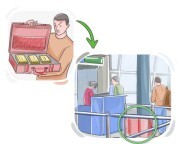
smuggling
smuggling
[名詞]

the act of importing or exporting goods or people secretly and against the law

密輸, 密貿易

密輸, 密貿易

Ex: He was arrested for smuggling drugs into the country. 

彼は国への薬物の密輸で逮捕された。

kidnapping
kidnapping
[名詞]

the act of taking someone against their will and imprisoning them

誘拐, 拉致

誘拐, 拉致

Ex: Kidnapping for ransom has become a serious crime in some regions. 

身代金目的の誘拐は、一部の地域では深刻な犯罪となっています。

fraud
fraud
[名詞]

the act of cheating in order to make illegal money

詐欺, 不正

詐欺, 不正

Ex: He was arrested for fraud after it was discovered that he had been falsifying financial records for years. 

彼は何年も財務記録を改ざんしていたことが発覚した後、詐欺で逮捕されました。

bribery
bribery
[名詞]

the act of offering money to an authority to gain advantage

賄賂,  汚職

賄賂, 汚職

Ex: The politician was accused of bribery after it was revealed that he accepted money to influence his decisions. 

その政治家は、自分の決定に影響を与えるために金銭を受け取ったことが明らかになった後、賄賂の罪で告発されました。
murder
murder
[名詞]

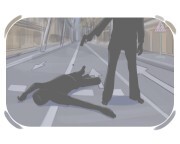
the crime of ending a person's life deliberately

殺人

殺人

Ex: The detective was called to investigate a murder that had shocked the small town. 

その探偵は、小さな町を震撼させた殺人を調査するために呼ばれた。

arson
arson
[名詞]

the criminal act of setting something on fire, particularly a building

放火, 火付け

放火, 火付け

Ex: The fire department suspects arson as the cause of the warehouse fire. 

消防署は倉庫火災の原因として放火を疑っています。

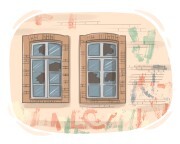
vandalism
vandalism
[名詞]

the illegal act of purposefully damaging a property belonging to another person or organization

破壊行為

破壊行為

Ex: After the vandalism of the public library, the community came together to clean and restore the damaged areas. 

公共図書館の破壊行為の後、コミュニティは集まって損傷したエリアを清掃し、修復しました。

looting
looting
[名詞]

the act of stealing goods or property from a place, especially during a time of chaos or disorder

略奪, 強奪

略奪, 強奪

Ex: The police arrested several people involved in the looting. 

警察は略奪に関与した数人を逮捕しました。

terrorism
terrorism
[名詞]

the act of using violence such as killing people, bombing, etc. to gain political power

テロリズム

テロリズム

Ex: Terrorism poses a significant challenge to global security and stability. 

テロリズムは、世界的な安全と安定にとって重大な課題です。

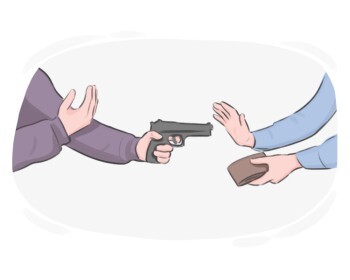
robbery
robbery
[名詞]

the crime of stealing money or goods from someone or somewhere, especially by violence or threat

強盗, 窃盗

強盗, 窃盗

Ex: The bank was the target of a robbery, with the thieves escaping with a large sum of money. 

銀行は強盗の標的となり、泥棒は多額の金を持って逃げた。

robber
robber
[名詞]

a person who steals from someone or something using force or threat of violence

強盗, 強奪者

強盗, 強奪者

Ex: The robber brandished a weapon and demanded the cashier hand over the money from the register. 

強盗は武器を振りかざし、レジ係にレジからお金を渡すよう要求した。

thief
thief
[名詞]

someone who steals something from a person or place without using violence or threats

泥棒, 盗人

泥棒, 盗人

Ex: The thief was caught on camera as he sneaked into the store and took a handful of electronics. 

泥棒は店に忍び込み、一握りの電子機器を盗んでいる所をカメラで捉えられた。

to steal
to steal
[動詞]

to take something from someone or somewhere without permission or paying for it

盗む, 奪う

盗む, 奪う

Ex: She steals cookies from the jar when no one is looking. 

彼女は誰も見ていない時に瓶からクッキーを盗む

burglar
burglar
[名詞]

someone who illegally enters a place in order to steal something

強盗, 泥棒

強盗, 泥棒

Ex: The burglar broke into the house through the back door while the family was asleep upstairs. 

強盗は家族が上階で寝ている間に裏口から家に侵入した。

to burgle
to burgle
[動詞]

to illegally enter a place in order to commit theft

強盗を働く, 侵入盗をする

強盗を働く, 侵入盗をする

Ex: The thieves tried to burgle the house while the family was on vacation, but the alarm system scared them off. 

泥棒たちは家族が休暇中に家に侵入しようとしたが、警報システムに驚いて逃げ出した。

to mug
to mug
[動詞]

to steal from someone by threatening them or using violence, particularly in a public place

強奪する, 襲って奪う

強奪する, 襲って奪う

Ex: The assailant attempted to mug the pedestrian by brandishing a weapon. 

加害者は武器を振りかざして歩行者を強盗しようとしました。

mugger
mugger
[名詞]

a person who attacks and robs people in a public place

強盗, ひったくり

強盗, ひったくり

Ex: The mugger approached her in the dark alley and demanded that she hand over her purse. 

強盗は暗い路地で彼女に近づき、ハンドバッグを渡すよう要求した。

shoplifter
shoplifter
[名詞]

a person who secretly takes goods from a store without paying

万引き犯, 泥棒

万引き犯, 泥棒

Ex: The shoplifter was caught hiding items in their bag. 

万引き犯はバッグに商品を隠しているところを捕まった。

to shoplift
to shoplift
[動詞]

to steal goods from a store by secretly taking them without paying

万引きする, 店から商品を盗む

万引きする, 店から商品を盗む

Ex: She had been shoplifting small items for weeks before getting caught. 

彼女は捕まる前に数週間小さな商品を万引きしていました。

to smuggle
to smuggle
[動詞]

to move goods or people illegally and secretly into or out of a country

密輸する, 商品や人を違法かつ秘密裡に国境を越えて移動させる

密輸する, 商品や人を違法かつ秘密裡に国境を越えて移動させる

Ex: Border patrol intercepted a group trying to smuggle undocumented migrants into the country. 

国境警備隊は、不法移民を国内に密輸しようとするグループを阻止しました。

smuggler
smuggler
[名詞]

an individual who illegally and secretly imports or exports goods or people

密輸業者, 密輸者

密輸業者, 密輸者

Ex: The smuggler was caught attempting to bring drugs into the country through hidden compartments in his truck. 

密輸業者は、トラックの隠しコンパートメントを通じて薬物を国内に持ち込もうとして捕まった。

to kidnap
to kidnap
[動詞]

to take someone away and hold them in captivity, typically to demand something for their release

誘拐する, 拉致する

誘拐する, 拉致する

Ex: The criminals planned to kidnap the CEO's daughter for a ransom. 

犯罪者たちはCEOの娘を身代金目的で誘拐する計画を立てた。

kidnapper
kidnapper
[名詞]

someone who takes an individual away and holds them in captivity, particularly to demand something for their release

誘拐犯, 拉致犯人

誘拐犯, 拉致犯人

Ex: The kidnapper demanded a large ransom in exchange for the safe return of the child. 

誘拐犯は子供の安全な返還と引き換えに多額の身代金を要求した。

to defraud
to defraud
[動詞]

to illegally obtain money or property from someone by tricking them

騙す, 詐欺をする

騙す, 詐欺をする

Ex: The scammer defrauded unsuspecting individuals by convincing them to invest in a fraudulent scheme. 

詐欺師は、疑うことを知らない個人をだまして、詐欺的な計画に投資するよう説得しました。

fraudster
fraudster
[名詞]

a person who deceives others to gain money, particularly in business transactions

詐欺師, ペテン師

詐欺師, ペテン師

Ex: The fraudster was caught after he tricked dozens of investors into funding a non-existent business. 

詐欺師は、存在しない事業に資金を提供するように何十人もの投資家を騙した後、捕まりました。

to bribe
to bribe
[動詞]

to persuade someone to do something, often illegal, by giving them an amount of money or something of value

賄賂を贈る, 買収する

賄賂を贈る, 買収する

Ex: Businesses were fined for attempting to bribe government officials for favorable contracts. 

企業は、有利な契約を得るために政府職員に賄賂を贈ろうとしたとして罰金を科された。

to murder
to murder
[動詞]

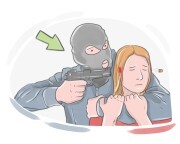
to unlawfully and intentionally kill another human being

殺害する, 殺人を犯す
殺害する, 殺人を犯す

Ex: The prosecutor accused the defendant of plotting to murder the victim. 

検察官は、被告が被害者を殺害することを計画したと非難した。

murderer
murderer
[名詞]

a person who is guilty of killing another human being deliberately

殺人者, 人殺し

殺人者, 人殺し

Ex: The police apprehended the murderer after a lengthy investigation into the crime. 

警察は犯罪についての長い調査の後、殺人者を逮捕した。

arsonist
arsonist
[名詞]

a person who intentionally starts fires, often for criminal purposes

放火犯, 放火魔

放火犯, 放火魔

Ex: The police arrested an arsonist suspected of starting multiple fires in the city. 

警察は、市内で複数の火事を起こした疑いで放火犯を逮捕した。

to vandalize
to vandalize
[動詞]

to intentionally damage something, particularly public property

破壊する, 故意に損傷を与える

破壊する, 故意に損傷を与える

Ex: The park was closed temporarily for repairs after vandals had vandalized the playground equipment. 

公園は、破壊者が遊具を破壊した後、修理のために一時的に閉鎖されました。

vandal
vandal
[名詞]

someone who intentionally damages or destroys public or private property

破壊者, 公共物を故意に破壊する人

破壊者, 公共物を故意に破壊する人

Ex: The police were searching for the vandal who spray-painted graffiti on the walls of the historic building. 

警察は、歴史的建造物の壁にスプレーペイントで落書きした破壊者を探していた。

to loot
to loot
[動詞]

to illegally obtain or exploit copyrighted or patented material for personal gain

略奪する, 盗む

略奪する, 盗む

Ex: The company discovered that a competitor had looted their proprietary software code and was selling a similar product under a different name. 

同社は、競合他社が独自のソフトウェアコードを略奪し、別の名前で類似製品を販売していたことを発見しました。

looter
looter
[名詞]

someone who steals things from a place during a time of unrest or disaster

略奪者, 強盗

略奪者, 強盗

Ex: The police caught a looter trying to break into a store. 

警察は店に侵入しようとした略奪者を捕まえた。

to terrorize
to terrorize
[動詞]

to force someone to act or obey by instilling intense fear, often through threats or violence

恐怖に陥れる, 威嚇する

恐怖に陥れる, 威嚇する

Ex: The dictator used his army to terrorize the population into submission. 

独裁者は軍隊を使って人口を恐怖に陥れ、服従させた。

terrorist
terrorist
[名詞]

person who uses violence or threats to achieve political or ideological goals by targeting innocent people or civilians

テロリスト, 暴力的過激派

テロリスト, 暴力的過激派

Ex: The terrorist group claimed responsibility for the bombings that occurred in the city's central square. 

テロリストグループは、都市の中央広場で発生した爆弾テロの責任を主張した。

LanGeek
LanGeekアプリをダウンロード