pattern

本 Interchange - 中上級 - ユニット 1

ここでは、Interchange Upper-Intermediate教科書のユニット1からの語彙が見つかります。例えば「感謝する」、「自己中心的」、「けち」など。

レビュー

フラッシュカード

語形

綴り

クイズ

学習を開始
Interchange - Upper-intermediate
kind
kind
[名詞]

a group of people or things that have similar characteristics or share particular qualities

種類, カテゴリー

種類, カテゴリー

Ex: The restaurant's menu includes dishes from many kinds of cuisines, satisfying different tastes. 
romance
romance
[名詞]

the affectionate relationship between two partners

ロマンス, 恋愛

ロマンス, 恋愛

Ex: Their romance blossomed during a summer trip to Paris, filled with candlelit dinners and long walks. 

彼らのロマンスは、キャンドルライトのディナーと長い散歩でいっぱいのパリへの夏の旅行中に花開いた。

marriage
marriage
[名詞]

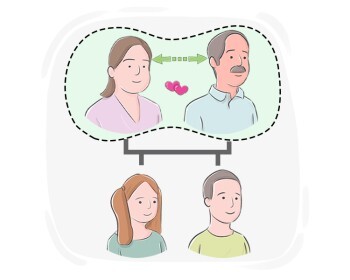
the formal and legal relationship between two people who are married

結婚, 婚姻
結婚, 婚姻

Ex: Legal documents are often required to validate a marriage. 
spouse
spouse
[名詞]

a male or female partner in a marriage

配偶者, 夫/妻

配偶者, 夫/妻

Ex: He introduced his spouse as his rock and closest confidant. 

彼は自分の配偶者を自分の岩であり、最も親しい信頼できる人として紹介しました。

partner
partner
[名詞]

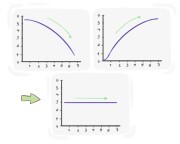
the person that you are married to or having a romantic relationship with

パートナー, 配偶者
パートナー, 配偶者

Ex: Paul and his partner are considering buying a house together. 
steady
steady
[形容詞]

not subject to significant change or decline

安定した, 着実な

安定した, 着実な

Ex: Her health remained steady after treatment. 
belief
belief
[名詞]

a strong feeling of certainty that something or someone exists or is true; a strong feeling that something or someone is right or good

信念, 確信

信念, 確信

Ex: Cultural beliefs shape the traditions and practices of societies around the world. 
education
education
[名詞]

the process that involves teaching and learning, particularly at a school, university, or college

教育,  教育

教育, 教育

Ex: She pursued higher education by attending a prestigious university. 

彼女は名門大学に通うことで高等教育を追求しました。

background
background
[名詞]

the details about someone's family, experience, education, etc.

経歴, 背景

経歴, 背景

Ex: People from all backgrounds are welcome in our community center. 
opinion
opinion
[名詞]

your feelings or thoughts about a particular subject, rather than a fact

意見, 見解
意見, 見解

Ex: Our teacher always encourages us to express our opinions in class. 
quality
quality
[名詞]

the grade, level, or standard of something's excellence measured against other things

品質

品質

Ex: He evaluated the quality of the research paper based on its thoroughness and originality. 
date
date
[名詞]

a time that is arranged to meet a person with whom one is in a relationship or is likely to be in the future

デート, 逢引

デート, 逢引

Ex: After their third date, they realized they had a lot in common. 
sense of humor

one's ability to say funny things or be amused by jokes and other things meant to make one laugh

ユーモアのセンス, 笑いのセンス

ユーモアのセンス, 笑いのセンス

Ex: I like her because she has a great sense of humor. 

彼女はユーモアのセンスが抜群だから好きだ。

personality
personality
[名詞]

all the qualities that shape a person's character and make them different from others

性格, 人格

性格, 人格

Ex: People find her independent personality quite appealing. 
trait
trait
[名詞]

a distinguishing quality or characteristic, especially one that forms part of someone's personality or identity

特徴,  特性

特徴, 特性

Ex: They studied the traits of various animals in the region. 

彼らはその地域の様々な動物の特徴を研究した。

easygoing
easygoing
[形容詞]

calm and not easily worried or upset

のんびりした, 穏やかな

のんびりした, 穏やかな

Ex: Her easygoing nature made her a favorite among her colleagues, as she handled stress with grace. 

彼女ののんびりした性格は、ストレスを優雅に扱ったため、同僚の間でお気に入りになりました。

egotistical
egotistical
[形容詞]

having an excessive focus on oneself and one's own interests, often at the expense of others

自己中心的な,  うぬぼれた

自己中心的な, うぬぼれた

Ex: His egotistical behavior made it hard for anyone to work with him. 

彼の自己中心的な行動は、誰もが彼と働くことを難しくした。

inflexible
inflexible
[形容詞]

reluctant to compromise or change one's attitude, belief, plan, etc.

柔軟性のない, 頑固な

柔軟性のない, 頑固な

Ex: Despite the new evidence, he remained inflexible in his decision not to invest in the project. 

新しい証拠にもかかわらず、彼はプロジェクトに投資しないという決定において柔軟性がないままでした。

modest
modest
[形容詞]

not boasting about one's abilities, achievements, or belongings

謙虚な

謙虚な

Ex: Despite her remarkable talent, she remains modest and never seeks attention or praise. 

彼女の注目すべき才能にもかかわらず、彼女は謙虚なままで、決して注目や称賛を求めません。

outgoing
outgoing
[形容詞]

enjoying other people's company and social interactions

社交的な, 外向的な

社交的な, 外向的な

Ex: The outgoing student eagerly participated in group activities and made friends easily. 

社交的な学生はグループ活動に熱心に参加し、簡単に友達を作りました。

stingy
stingy
[形容詞]

unwilling to spend or give away money or resources

けち, しみったれ

けち, しみったれ

Ex: He was so stingy that he wouldn't even buy a coffee for his friend. 

彼はとてもけちで、友達にコーヒーさえ買わなかった。

supportive
supportive
[形容詞]

giving encouragement or providing help

支援的な, 励みになる

支援的な, 励みになる

Ex: Her family was incredibly supportive during her recovery from surgery, providing assistance and encouragement every step of the way. 

手術からの回復中、彼女の家族は信じられないほど支援的で、すべての段階で援助と励ましを提供しました。
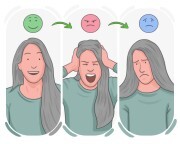
temperamental
temperamental
[形容詞]

experiencing frequent changes in mood or behavior, often in an unpredictable or inconsistent manner

気まぐれな, 移り気な

気まぐれな, 移り気な

Ex: She's so temperamental; you never know how she'll react to any situation. 

彼女はとても気まぐれだ;どんな状況にどう反応するか絶対にわからない。

unreliable
unreliable
[形容詞]

not deserving of trust or confidence

信頼できない, 当てにならない

信頼できない, 当てにならない

Ex: The witness proved unreliable in court. 

証人は法廷で信頼できないと証明された。

stubborn
stubborn
[形容詞]

unwilling to change one's attitude or opinion despite good reasons to do so

頑固な, 強情な

頑固な, 強情な

Ex: Despite overwhelming evidence, he remained stubborn in his belief that he was always right. 

圧倒的な証拠にもかかわらず、彼は自分が常に正しいという信念において頑固であり続けた。

helpful
helpful
[形容詞]

(of a person) having a willingness or readiness to help someone

親切な, 役立つ

親切な, 役立つ

Ex: He's been very helpful during the move, carrying the heavy boxes. 

引っ越しの間、重い箱を運んで、彼はとても役に立つ人でした。

encouraging
encouraging
[形容詞]

giving someone hope, confidence, or support

励みになる, 勇気づける

励みになる, 勇気づける

Ex: The coach's encouraging words helped the team stay focused after their loss. 

コーチの励ましの言葉が、チームが敗北後も集中し続けるのを助けました。

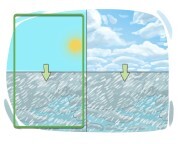
to promise
to promise
[動詞]

to tell someone that one will do something or that a particular event will happen

約束する, 誓う
約束する, 誓う

Ex: She promised that she would call me later. 
unpredictable
unpredictable
[形容詞]

unable to be predicted because of changing many times

予測不可能な, 予測不能な

予測不可能な, 予測不能な

Ex: The weather in this region is highly unpredictable, with sudden changes in temperature and frequent storms. 

この地域の天気は非常に予測不可能で、気温の急激な変化や頻繁な嵐があります。

irregular
irregular
[形容詞]

not conforming to established rules, patterns, or norms

不規則な, 異常な

不規則な, 異常な

Ex: Her irregular work schedule made it challenging to maintain a consistent routine. 

彼女の不規則な仕事のスケジュールは、一貫したルーティンを維持することを困難にした。

mood
mood
[名詞]

the emotional state that a person experiences

気分, 感情状態

気分, 感情状態

Ex: He couldn't shake the anxious mood that had settled over him. 
to brag
to brag
[動詞]

to talk with excessive pride about one's achievements, possessions, etc. often in exaggerated manner

自慢する, 誇る

自慢する, 誇る

Ex: Unable to contain his excitement, he began to brag about the promotion he received at work. 

彼は興奮を抑えきれず、仕事で受けた昇進について自慢し始めました。

accomplishment

a desired and impressive goal achieved through hard work

達成, 業績

達成, 業績

Ex: Graduating with honors was a significant accomplishment for Sarah after years of dedicated study. 

何年もの献身的な勉強の末、優秀な成績で卒業することはサラにとって重要な成果でした。

annoyed
annoyed
[形容詞]

feeling slightly angry or irritated

イライラした, むっとした

イライラした, むっとした

Ex: The annoyed customer complained about the long wait at the restaurant. 

イライラした客は、レストランでの長い待ち時間について苦情を言った。

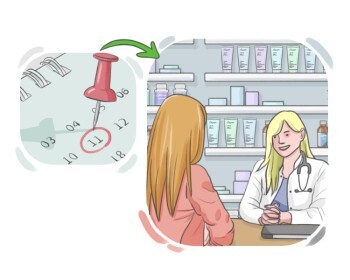
to scream
to scream
[動詞]

to make a loud, sharp cry when one is feeling a strong emotion

叫ぶ, 悲鳴を上げる
叫ぶ, 悲鳴を上げる

Ex: In the haunted house, visitors would scream in fear as actors surprised them with spooky scenes. 
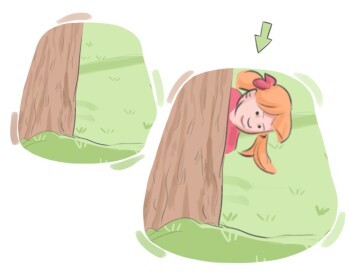
appointment
appointment
[名詞]

a planned meeting with someone, typically at a particular time and place, for a particular purpose

予約, 面会
予約, 面会

Ex: She was late for her doctor's appointment. 
to appear
to appear
[動詞]

to become visible and noticeable

現れる, 見える

現れる, 見える

Ex: The magician appeared on stage in a puff of smoke, stunning the audience. 
purpose
purpose
[名詞]

a desired outcome that guides one's plans or actions

目的, 目標

目的, 目標

Ex: The purpose of this meeting is to discuss the new project proposal and gather feedback from the team. 
in addition to
in addition to
[前置詞]

used to add extra or supplementary information

に加えて, に加え

に加えて, に加え

Ex: The meal came with a salad and bread in addition to the main course. 

食事にはメインコースに加えてサラダとパンが付いていました。

to pursue
to pursue
[動詞]

to go after someone or something, particularly to catch them

追う, 追跡する
追う, 追跡する

Ex: In the wild, predators like cheetahs pursue their prey with incredible speed and agility. 
specific
specific
[形容詞]

related to or involving only one certain thing

特定の, 特別な
特定の, 特別な

Ex: He has a specific preference for Italian cuisine when dining out. 
generic
generic
[形容詞]

relating to or suitable for a whole group or class of things rather than a specific one

一般的な, 普遍的な

一般的な, 普遍的な

Ex: The store offers a generic brand of cereal that isn't tied to any major company. 

その店は、どの大手企業にも縛られていないジェネリックブランドのシリアルを提供しています。

sufficient
sufficient
[形容詞]

having enough of something to meet a particular need or requirement

十分な, 適切な

十分な, 適切な

Ex: He had saved a sufficient amount of money to purchase the new computer. 

彼は新しいコンピュータを購入するために十分な金額を貯めていた。

particular
particular
[形容詞]

distinctive among others that are of the same general classification

特定の, 特別な

特定の, 特別な

Ex: This study examines the impact on a particular community affected by the policy changes. 

この研究は、政策変更の影響を受けた特定のコミュニティへの影響を調べます。

passion
passion
[名詞]

a very strong emotion or feeling, such as love, anger, hatred, or enthusiasm

情熱,  激情

情熱, 激情

Ex: The court's decision aroused strong passion on both sides of the debate. 
to admire
to admire
[動詞]

to respect and approve of someone or something because of their qualities, achievements, or actions

称賛する, 尊敬する

称賛する, 尊敬する

Ex: I admire Emma for her patience and determination. 
to feature
to feature
[動詞]

to have something as a prominent or distinctive aspect or characteristic

特徴とする, 含む

特徴とする, 含む

Ex: The new smartphone features a high-resolution camera and a long-lasting battery. 
complaint
complaint
[名詞]

a statement that conveys one's dissatisfaction

苦情,  不満

苦情, 不満

Ex: The company takes customer complaints seriously and has a dedicated team to address any issues that arise. 
forum
forum
[名詞]

a meeting or assembly in which people openly discuss a subject or issue

フォーラム

フォーラム

Ex: The city organized a public forum on housing. 
to appreciate

to be thankful for something

感謝する, ありがたく思う

感謝する, ありがたく思う

Ex: The community appreciated the efforts of volunteers who cleaned up the park. 
activist
activist
[名詞]

a person who actively campaigns for social, political, environmental, or other change

活動家

活動家

Ex: Maya became an environmental activist while studying biology in college. 
entrepreneur
entrepreneur
[名詞]

a person who starts a business, especially one who takes financial risks

起業家

起業家

Ex: As an entrepreneur, she started her own tech company with just a small investment. 

起業家として、彼女は小さな投資だけで自分のテクノロジー会社を始めました。

strategy
strategy
[名詞]

an organized plan made to achieve a goal

戦略, 計画

戦略, 計画

Ex: A strong strategy is needed to expand the business. 
mustache
mustache
[名詞]

hair that grows or left to grow above the upper lip

口ひげ, あごひげ

口ひげ, あごひげ

Ex: He decided to grow a mustache to change his appearance. 

彼は外見を変えるために口ひげを生やすことに決めた。

LanGeek
LanGeekアプリをダウンロード