pattern

本 Interchange - 初中級 - ユニット6 - パート2

ここでは、Interchange Pre-Intermediateコースブックのユニット6 - パート2からの語彙を見つけることができます。例えば、「率」、「健康的」、「変人」などです。

レビュー

フラッシュカード

語形

綴り

クイズ

学習を開始
Interchange - Pre-intermediate
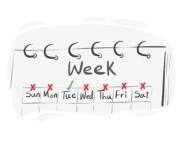
sometimes
sometimes
[副詞]

on some occasions but not always

時々, たまに
時々, たまに

Ex: She sometimes practices yoga in the morning. 
hardly ever
hardly ever
[副詞]

in a manner that almost does not occur or happen

ほとんどない, めったに

ほとんどない, めったに

Ex: She hardly ever misses her morning jog. 

彼女は朝のジョギングをめったに欠かさない。

never
never
[副詞]

not at any point in time

決して, 一度も

決して, 一度も

Ex: She never eats meat; she's been vegetarian since birth. 
regular
regular
[形容詞]

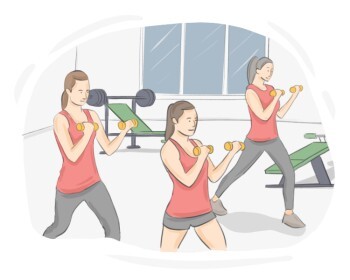
following a pattern, especially one with fixed or uniform intervals

定期的な, 通常の
定期的な, 通常の

Ex: He arrived at the office at his regular time, as always. 
gym
gym
[名詞]

a place with special equipment that people go to exercise or play sports

ジム, 体育館

ジム, 体育館

Ex: He goes to the gym five times a week. 

彼は週に5回ジムに行きます。

else
else
[副詞]

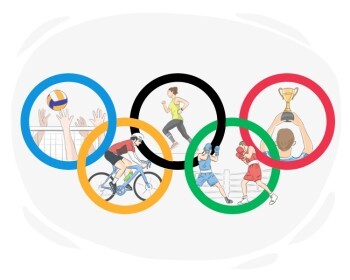
in addition to what is already mentioned or known

他に, さらに
他に, さらに

Ex: Do you want anything else from the store? 
Olympic
Olympic
[形容詞]

connected with the Olympic Games

オリンピックの,  五輪の

オリンピックの, 五輪の

Ex: Sarah hopes to qualify for the Olympic team next year. 
athlete
athlete
[名詞]

a person who is good at sports and physical exercise, and often competes in sports competitions

アスリート, スポーツ選手

アスリート, スポーツ選手

Ex: As a professional athlete, he maintained a strict diet and exercise routine. 

プロのアスリートとして、彼は厳格な食事と運動ルーティンを維持していました。

freak
freak
[名詞]

a person who is extremely passionate and dedicated to a particular activity or interest, to the point that it may seem like an addiction or obsession

マニア, 熱狂者

マニア, 熱狂者

to work out
to work out
[動詞]

to exercise in order to get healthier or stronger

運動する, 健康や体力向上のために運動する

運動する, 健康や体力向上のために運動する

Ex: I work out with a friend to make the exercise routine more enjoyable. 

運動のルーティンをより楽しくするために、友達と一緒にワークアウトしています。
tennis
tennis
[名詞]

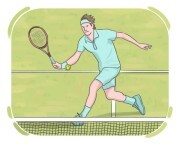
a sport in which two or four players use rackets to hit a ball back and forth over a net

a sport in which two or four players use rackets to hit a ball back and forth over a net

a sport in which two or four players use rackets to hit a ball back and forth over a net

Ex: Emma plays tennis every Saturday morning. 
tip
tip
[名詞]

a helpful suggestion or a piece of advice

ヒント, アドバイス

ヒント, アドバイス

Ex: The travel guidebook included insider tips for exploring the city like a local. 
shape
shape
[名詞]

the state of physical fitness or health

形, 身体状態
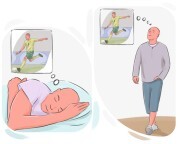
形, 身体状態

Ex: Despite his age, he remained in excellent shape. 
nut
nut
[名詞]

a person who is extremely enthusiastic about a particular subject or activity

マニア, 愛好家

マニア, 愛好家

Ex: Kevin is a real car nut and can identify almost any model. 
gym rat
gym rat
[名詞]

a person who spends a lot of time working out or exercising at the gym

ジムで長時間トレーニングする人, ジム通いに夢中な人
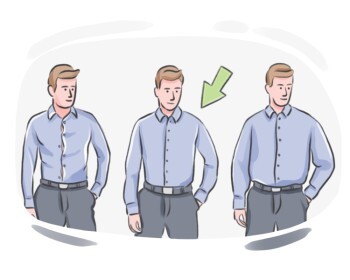
ジムで長時間トレーニングする人, ジム通いに夢中な人

Ex: Jake is such a gym rat that the staff know his protein shake order by heart. 
to fit
to fit
[動詞]

to be of the right size or shape for someone

合う, フィットする

合う, フィットする

Ex: Can you try on these shoes to see if they fit? 
healthy
healthy
[形容詞]

(of a person) not having physical or mental problems

健康な, 健やかな
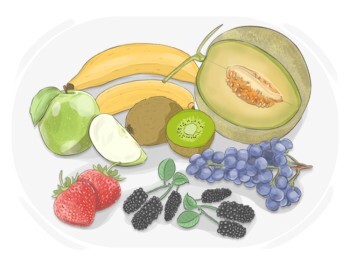
健康な, 健やかな

Ex: The healthy students were separated from the ones who had the flu. 
fruit
fruit
[名詞]

something we can eat that grows on trees, plants, or bushes

果物
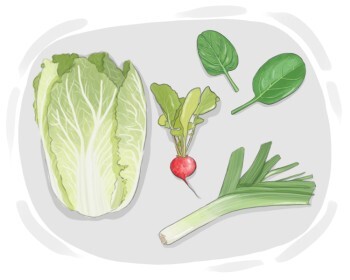
果物

Ex: I love starting my day with a bowl of fresh fruit salad, filled with juicy strawberries, pineapple, and oranges. 
vegetable
vegetable
[名詞]

a plant or edible part of a plant that is eaten as food
Ex: Emma chopped the vegetables for the soup. 
sugar
sugar
[名詞]

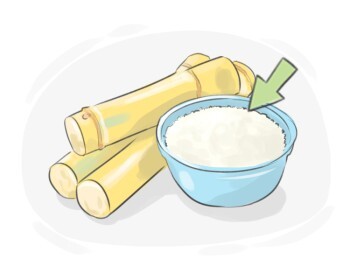
a sweet white or brown substance that is obtained from plants and used to make food and drinks sweet

砂糖, 黒糖
砂糖, 黒糖

Ex: I'm trying to cut down on sugar in my diet, but it's so hard. 
to drink
to drink
[動詞]

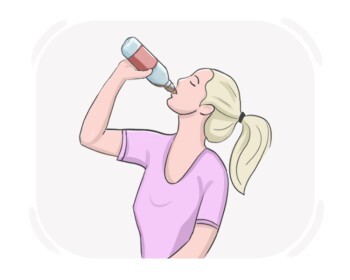
to put water, coffee, or other type of liquid inside of our body through our mouth

飲む
飲む

Ex: My brother always drinks smoothie after exercising. 
careful
careful
[形容詞]

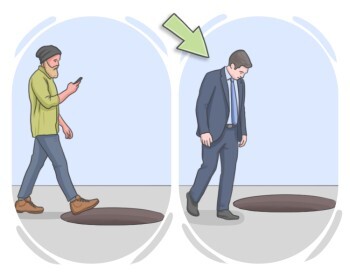
giving attention or thought to what we are doing to avoid doing something wrong, hurting ourselves, or damaging something

注意深い, 慎重な

注意深い, 慎重な

Ex: Be careful when crossing the street. 

道路を横断するときは注意してください。

junk food
junk food
[名詞]

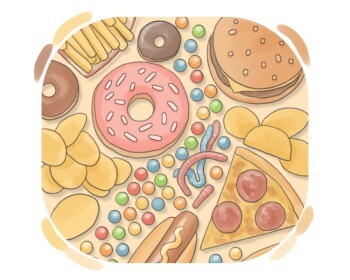
unhealthy food, containing a lot of fat, sugar, etc.

ジャンクフード, 不健康な食べ物

ジャンクフード, 不健康な食べ物

Ex: He decided to cut junk food from his diet for better health. 

彼は健康のために食事からジャンクフードを抜くことに決めた。

as
as
[副詞]

to the same extent or degree, used in comparisons to show equality or intensity

同じくらい

同じくらい

Ex: She can run as quickly as her brother. 

彼女は兄と同じくらい速く走ることができます。

possible
possible
[形容詞]

able to exist, happen, or be done

可能な, 実行可能な

可能な, 実行可能な

Ex: Even when it seems unlikely, making new friends in a new city is possible. 

たとえそう思えなくても、新しい街で新しい友達を作ることは可能です。

oily
oily
[形容詞]

(of food) containing a lot of oil

油っこい, 脂っこい

油っこい, 脂っこい

Ex: The fish was overly oily, making the dish feel heavy and rich. 

魚は油っこく、料理が重くてリッチに感じられました。

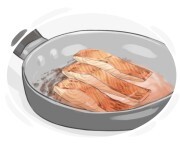
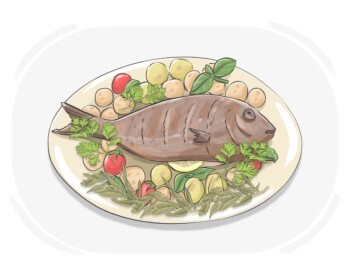
fish
fish
[名詞]

flesh from a fish that we use as food

魚, 食用の魚
魚, 食用の魚

Ex: The chef prepared a tasty fish stew with vegetables and spices. 
whenever
whenever
[接続詞]

at any or every time

いつでも, するたびに

いつでも, するたびに

Ex: The cat comes running to the kitchen whenever it smells food. 

猫は食べ物の匂いを嗅ぐたびにキッチンに走って来ます。

extremely
extremely
[副詞]

to a very great amount or degree

非常に, とても

非常に, とても

Ex: Her paintings are extremely impressive. 

彼女の絵は 非常に 印象的です。

at all
at all
[副詞]

to the smallest amount or degree

全く, 少しも

全く, 少しも

Ex: Do you feel sick at all? 

あなたは全く気分が悪いですか?

all day long
all day long
[副詞]

for the entire duration of the day without any interruption or break

一日中, 終日

一日中, 終日

Ex: She listened to music all day long. 

彼女は一日中音楽を聴いていた。

active
active
[形容詞]

(of a person) doing many things with a lot of energy

活発な
活発な

Ex: She's an active traveler, always planning her next adventure. 
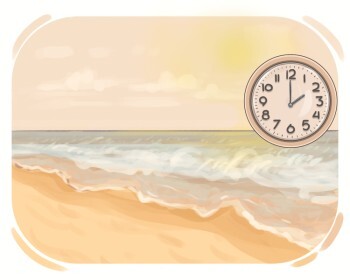
lunchtime
lunchtime
[名詞]

the time in the middle of the day when we eat lunch

昼食時, ランチタイム

昼食時, ランチタイム

Ex: Lunchtime is my favorite part of the school day. 

ランチタイムは学校の日の中で私の一番好きな時間です。

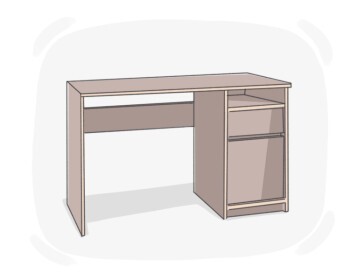
desk
desk
[名詞]

furniture we use for working, writing, reading, etc. that normally has a flat surface and drawers

机, デスク
机, デスク

Ex: The student sat down at his desk and opened his notebook. 
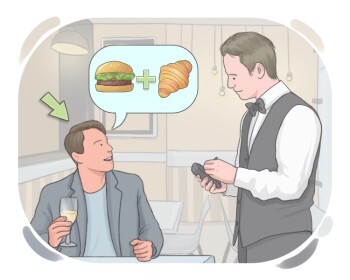
to order
to order
[動詞]

to ask for something, especially food, drinks, services, etc. in a restaurant, bar, or shop

注文する, オーダーする

注文する, オーダーする

Ex: She ordered a latte to go from the coffee shop. 
to rate
to rate
[動詞]

to judge the value or importance of something

評価する, 判断する

評価する, 判断する

Ex: He rates the idea of going on vacation very highly. 
yourself
yourself
[代名詞]

used when a person who is addressed is both the one who does an action and the one who receives the action

自分自身,  自分で

自分自身, 自分で

Ex: Have you hurt yourself? 

自分を傷つけましたか?

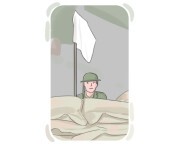
to give up
to give up
[動詞]

to stop trying when faced with failures or difficulties

諦める, 努力をやめる

諦める, 努力をやめる

Ex: He refused to give up even when the odds were stacked against him. 

彼は、不利な状況でも諦めることを拒んだ。

below
below
[副詞]

in a position or location situated beneath or lower than something else

下に, 下方に

下に, 下方に

Ex: The painting hung high, with the console table sitting quietly below. 

絵は高く掛けられ、コンソールテーブルが静かに下に置かれていた。

to improve
to improve
[動詞]

to make a person or thing better

改善する, 向上させる

改善する, 向上させる

Ex: The new software update aims to improve the performance and user experience. 
LanGeek
LanGeekアプリをダウンロード