

the time when someone has the opportunity, obligation, or right to do a certain thing that everyone in a group does one after the other

順番, ターン

the act of removing an opponent's piece from a board or game
駒の取り, 捕獲
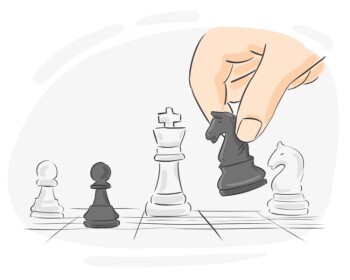
a change made by a player in the position of a piece in a board game
手, 移動
a designated space on the game board where players can place their game pieces or tokens before they are put into play
準備エリア, 配置場所
a capture when an opponent's game piece is blocked on adjacent sides by two or more of the capturing player's pieces. The blocked piece is then removed from the game board as a result of the capture
カストディアンキャプチャ, 管理人捕獲
プレイヤーは、相手の駒を自分の駒2つで囲むことでカストディアンキャプチャーを管理しました。
a capture method used in some board games where a player's game piece is removed from the board and replaced by the capturing player's piece
置換捕獲, 置き換え捕獲
ディスプレースメントキャプチャを使用することで、彼は脅威を取り除くだけでなく、自分の立場も強化しました。
a set of three game pieces or cards or dice that share the same attributes, such as color, shape, or value
三つ組, トリプレット
a vertical column of squares on a board, such as in chess or checkers
縦列, 縦の列
the set of activities, actions, and interactions that take place during the course of a board game or video game
ゲームプレイ, 遊び方
このボードゲームのゲームプレイはシンプルですが非常に魅力的で、すべての年齢層にとって楽しいものになっています。
in some traditional games, a special bonus turn, throw, or opportunity to make an additional move
恩恵, 追加ターン
an advantage or disadvantage assigned to a competitor to make a contest more equal
ハンディキャップ, ハンデ
the ability of a player to capture an opponent's game piece by removing it from the board when the opponent fails to capture one of the player's pieces that is able to make a capture move on the same turn
取る能力, 吹く権利
used to refer to the cards, pieces, etc. that a player holds and has not yet played
the ability of a player to capture an opponent's game piece that has just made a capture move, by moving one of their own pieces to a square adjacent to the captured piece
介入キャプチャ, キャプチャによるインターセプト
駒を失った後、サラはトムが彼女の駒を取った直後に彼の駒の一つを取るために介入キャプチャを使用しました。
a rule used to determine who plays first in the game, and to ensure that the starting player does not have an unfair advantage over their opponent
パイのルール, 分割のルール
ゲームの開始時に、マークは最初の手を打ったが、アリスはパイルールを使用することを決め、状況を変えた。
a horizontal line of spaces across a game board, typically at a right angle to the columns
列, ライン
(in backgammon) to safely bring one's pieces home and out of the game
ベアオフする, 安全に駒をホームに運び出す
戦略的な動きの後、彼は駒を安全にホームに持ち帰り、ゲームを終了させた。
a player who switches allegiances or teams, typically to gain an advantage or for strategic reasons
脱退者, 裏切り者
a central reserve or stockpile of unused tiles, cards, or pieces that players can draw from during the game when they need additional resources or replacements
骨置き場, 予備
これ以上動けなくなると、彼らは皆ボーンヤードから引き始めた。
a chain reaction where players set up a line of dominoes to knock one another down in a visually pleasing way
ドミノ倒し, ドミノ効果
彼らは部屋全体に曲がりくねった巨大なドミノ倒しコースを作ることに決めました。
