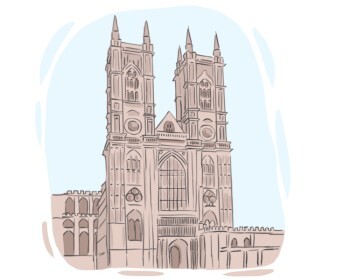

pattern

SAT 語彙スキル 6 - レッスン 19

レビュー

フラッシュカード

綴り

クイズ

学習を開始
SAT Word Skills 6
blockade
blockade
[名詞]

an act of obstructing or closing off an area, route, or passage

封鎖

封鎖

Ex: During the protest, activists formed a human blockade to prevent vehicles from entering the government compound. 

抗議活動中、活動家たちは車両が政府の敷地に入るのを防ぐために人間の封鎖を形成しました。

cadet
cadet
[名詞]

a student or trainee, especially one in a military academy or a program preparing for a career in the armed forces

士官候補生, カデット

士官候補生, カデット

Ex: The cadet showed great discipline and determination during the rigorous training at the military academy. 

士官候補生は、軍学校での厳しい訓練中に非常に規律と決意を示しました。

cavalcade
cavalcade
[名詞]

a procession or parade, typically consisting of a series of vehicles, horses, or people

行列, パレード

行列, パレード

Ex: The city streets were filled with excitement as the cavalcade of floats and performers passed by during the carnival parade. 

カーニバルのパレード中、フロートとパフォーマーの行列が通り過ぎると、街の通りは興奮に包まれました。

citadel
citadel
[名詞]

a fortified stronghold, often situated in a commanding location for defense purposes

城塞, 要塞

城塞, 要塞

Ex: The ancient citadel stood atop the hill, overlooking the entire city below. 

古代の城塞は丘の上に立ち、下の街全体を見下ろしていた。

facade
facade
[名詞]

the front of a building, particularly one that is large and has an elegant appearance

ファサード

ファサード

Ex: The facade of the historic building was adorned with intricate carvings and ornate details, showcasing the craftsmanship of its era. 

その歴史的な建物のファサードは、複雑な彫刻と装飾的な細部で飾られ、その時代の職人技を展示していました。

renegade
renegade
[名詞]

someone who rejects conventional behavior or allegiance

裏切り者, 反逆者

裏切り者, 反逆者

Ex: She was considered a renegade for her unconventional style and refusal to conform to traditional artistic norms. 

彼女は型破りなスタイルと伝統的な芸術的規範に従うことを拒否したため、反逆者と見なされていました。

tirade
tirade
[名詞]

a lengthy speech that uses harsh and angry language and intends to condemn or criticize

長くて怒りのこもったスピーチ

長くて怒りのこもったスピーチ

Ex: The manager delivered a tirade against the team’s poor performance. 

マネージャーはチームの低いパフォーマンスに対して長い非難の演説を行った。

combatant
combatant
[名詞]

an individual engaged in fighting or warfare, typically as a member of a military force or armed group

戦闘員, 戦士

戦闘員, 戦士

Ex: The combatant charged bravely into battle, wielding his sword with skill and determination. 

戦士は、剣を巧みにそして決意を持って振るい、勇敢に戦いへと突撃した。

confidant
confidant
[名詞]

a person in whom one places trust and shares secrets or private thoughts and feelings

腹心の友, 信頼できる人

腹心の友, 信頼できる人

Ex: She was his closest confidant, knowing all his fears and hopes. 

彼女は彼の最も親しい腹心の友であり、彼のすべての恐れと希望を知っていた。

covenant
covenant
[名詞]

a formal promise or agreement, especially one involving regular payments

特約,  契約条項

特約, 契約条項

Ex: The lease contains a covenant requiring the tenant to maintain the property. 
occupant
occupant
[名詞]

a person who resides or occupies a particular space, such as a building, room, or vehicle

居住者, 借主

居住者, 借主

Ex: The hotel's front desk greeted each new occupant with a warm welcome and a set of room keys. 

ホテルのフロントデスクは、新しい居住者それぞれを温かい歓迎と部屋の鍵のセットで迎えました。

penchant
penchant
[名詞]

a strong tendency to do something or a fondness for something

傾向

傾向

Ex: She has a penchant for making people laugh. 

彼女は人を笑わせる傾向がある。

pennant
pennant
[名詞]

a tapering flag on a ship, usually flown at the masthead to indicate a vessel in commission

ペナント, 旗

ペナント, 旗

Ex: The ship's pennant fluttered at the masthead. 

船のペナントがマストの頂上でひらひらと揺れていた。

savant
savant
[名詞]

a person with extraordinary skills or expertise in a particular domain, often alongside other cognitive or developmental challenges

賢者, 天才

賢者, 天才

Ex: The child prodigy was hailed as a math savant, effortlessly solving complex equations at a young age. 

その神童は数学のサバンとして称賛され、幼い頃から複雑な方程式を簡単に解いていた。

suppliant
suppliant
[名詞]

someone who humbly and earnestly seeks or requests something, often in a pleading manner

嘆願者, 懇願者

嘆願者, 懇願者

Ex: The refugee knelt before the border guard, a suppliant pleading for entry into the safe haven beyond. 

難民は国境警備員の前にひざまずき、向こう側の安全な避難所に入ることを懇願する嘆願者であった。

sycophant
sycophant
[名詞]

an individual who excessively flatters someone of importance to gain a favor or advantage

おべっか使い, 追従者

おべっか使い, 追従者

Ex: The CEO’s office was filled with sycophants eager to win his favor with constant flattery. 

CEOのオフィスは、絶え間ないお世辞で彼の好意を得ようとするおべっか使いでいっぱいだった。

tenant
tenant
[名詞]

an occupant residing in a place, typically a building or property

テナント, 入居者
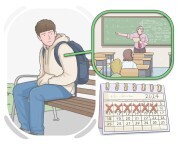
テナント, 入居者

Ex: Despite being temporary residents, the tenants formed deep connections with their neighbors, creating a strong sense of belonging in the area. 
truant
truant
[名詞]

a student who does not have permission for not attending school

無断欠席の生徒, 許可なく学校を休む生徒

無断欠席の生徒, 許可なく学校を休む生徒

Ex: The principal called the parents of the truant to discuss their child's repeated absences. 
anecdote
anecdote
[名詞]

a short interesting story about a real event or person, often biographical

逸話, 短い話

逸話, 短い話

Ex: She shared a funny anecdote about her first day at work. 

彼女は初出勤日の面白い逸話を共有しました。

alkali
alkali
[名詞]

any water-soluble compound that can turn litmus blue and reacts with an acid to form a salt and water

アルカリ, 塩基

アルカリ, 塩基

Ex: Sodium hydroxide is a strong alkali commonly used in soap making. 

水酸化ナトリウムは、石鹸製造に一般的に使用される強いアルカリです。

LanGeek
LanGeekアプリをダウンロード