

pattern

Competenze Lessicali SAT 6 - lezione 19

Revisione

Flashcard

Ortografia

Quiz

Inizia a imparare
SAT Word Skills 6
blockade
blockade
[sostantivo]

an act of obstructing or closing off an area, route, or passage

blocco

blocco

Ex: Pirates erected a blockade at the mouth of the harbor, intercepting incoming ships and seizing their cargo. 

I pirati hanno eretto un blocco all'ingresso del porto, intercettando le navi in arrivo e sequestrando il loro carico.

Chiudi
Accedi
cadet
cadet
[sostantivo]

a student or trainee, especially one in a military academy or a program preparing for a career in the armed forces

cadetto, allievo ufficiale

cadetto, allievo ufficiale

Ex: Upon graduation, cadets are commissioned as officers and begin their service to their country in various branches of the military. 

Al momento della laurea, i cadetti vengono nominati ufficiali e iniziano il loro servizio al paese in vari rami dell'esercito.

Chiudi
Accedi
cavalcade
cavalcade
[sostantivo]

a procession or parade, typically consisting of a series of vehicles, horses, or people

cavalcata, sfilata

cavalcata, sfilata

Ex: The grand cavalcade of knights and nobles marked the beginning of the medieval festival, drawing spectators from far and wide. 

La grande cavalcata di cavalieri e nobili ha segnato l'inizio del festival medievale, attirando spettatori da lontano.

Chiudi
Accedi
citadel
citadel
[sostantivo]

a fortified stronghold, often situated in a commanding location for defense purposes

cittadella, fortezza

cittadella, fortezza

Ex: During times of war, the citadel served as a refuge for the city's inhabitants, offering shelter and safety. 

Durante i periodi di guerra, la cittadella serviva come rifugio per gli abitanti della città, offrendo riparo e sicurezza.

Chiudi
Accedi
facade
facade
[sostantivo]

the front of a building, particularly one that is large and has an elegant appearance

facciata

facciata

Ex: The urban neighborhood was characterized by its colorful row houses, each with a unique facade adorned with decorative trim and window boxes. 

Il quartiere urbano era caratterizzato dalle sue colorate case a schiera, ognuna con una facciata unica adornata con decorazioni e fioriere.

Chiudi
Accedi
renegade
renegade
[sostantivo]

someone who rejects conventional behavior or allegiance

rinnegato, ribelle

rinnegato, ribelle

Ex: The renegade deserted his unit and joined forces with the enemy, earning the disdain of his former comrades. 

Il rinnegato disertò la sua unità e si unì alle forze nemiche, guadagnandosi il disprezzo dei suoi ex compagni.

Chiudi
Accedi
tirade
tirade
[sostantivo]

a lengthy speech that uses harsh and angry language and intends to condemn or criticize

diatriba

diatriba

Ex: She was left speechless after his angry tirade about the recent changes. 

È rimasta senza parole dopo la sua filippica arrabbiata sui recenti cambiamenti.

Chiudi
Accedi
combatant
combatant
[sostantivo]

an individual engaged in fighting or warfare, typically as a member of a military force or armed group

combattente, guerriero

combattente, guerriero

Ex: Non-governmental organizations worked tirelessly to provide humanitarian aid to civilians caught in the crossfire between warring combatants. 

Le organizzazioni non governative hanno lavorato instancabilmente per fornire aiuti umanitari ai civili coinvolti nel fuoco incrociato tra i combattenti in guerra.

Chiudi
Accedi
confidant
confidant
[sostantivo]

a person in whom one places trust and shares secrets or private thoughts and feelings

confidente, persona di fiducia

confidente, persona di fiducia

Ex: The politician's confidant leaked sensitive information to the press. 

Il confidente del politico ha trapelato informazioni sensibili alla stampa.

Chiudi
Accedi
covenant
covenant
[sostantivo]

a formal promise or agreement, especially one involving regular payments

alleanza

alleanza

Ex: The property is subject to a covenant restricting future development. 
Chiudi
Accedi
occupant
occupant
[sostantivo]

a person who resides or occupies a particular space, such as a building, room, or vehicle

occupante, residente

occupante, residente

Ex: The abandoned mansion stood silent and empty, its only occupants the memories of days gone by. 

Il palazzo abbandonato era silenzioso e vuoto, i suoi unici occupanti erano i ricordi dei giorni passati.

Chiudi
Accedi
penchant
penchant
[sostantivo]

a strong tendency to do something or a fondness for something

propensione

propensione

Ex: He has a penchant for wearing bright colors. 

Lui ha un penchant per indossare colori vivaci.

Chiudi
Accedi
pennant
pennant
[sostantivo]

a tapering flag on a ship, usually flown at the masthead to indicate a vessel in commission

fiamma, pennone

fiamma, pennone

Ex: Sailors carefully maintained the ship's pennant. 

I marinai mantenevano attentamente il pennone della nave.

Chiudi
Accedi
savant
savant
[sostantivo]

a person with extraordinary skills or expertise in a particular domain, often alongside other cognitive or developmental challenges

sapiente, genio

sapiente, genio

Ex: The academic world recognized the linguistic savant for her remarkable fluency in multiple languages, surpassing even native speakers in proficiency. 

Il mondo accademico ha riconosciuto la savante linguistica per la sua notevole fluenza in più lingue, superando persino i madrelingua in competenza.

Chiudi
Accedi
suppliant
suppliant
[sostantivo]

someone who humbly and earnestly seeks or requests something, often in a pleading manner

supplice, implorante

supplice, implorante

Ex: In ancient times, supplicants would often visit temples, offering prayers and sacrifices as suppliant gestures to the gods in hopes of divine favor. 

Nei tempi antichi, i supplici visitavano spesso i templi, offrendo preghiere e sacrifici come gesti di supplica agli dei nella speranza di un favore divino.

Chiudi
Accedi
sycophant
sycophant
[sostantivo]

an individual who excessively flatters someone of importance to gain a favor or advantage

adulador

adulador

Ex: His behavior was typical of a sycophant, always agreeing with the powerful and flattering their egos. 

Il suo comportamento era tipico di un leccapiedi, sempre d'accordo con i potenti e lusingando i loro ego.

Chiudi
Accedi
tenant
tenant
[sostantivo]

an occupant residing in a place, typically a building or property

inquilino, affittuario
inquilino, affittuario

Ex: The tenant's residency in the apartment complex spanned several years, during which they witnessed significant changes and improvements to the surrounding environment. 
Chiudi
Accedi
truant
truant
[sostantivo]

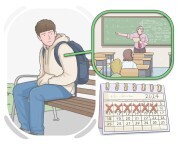
a student who does not have permission for not attending school

che marina la scuola

che marina la scuola

Ex: Being truant can lead to serious academic consequences and disciplinary actions. 
Chiudi
Accedi
anecdote
anecdote
[sostantivo]

a short interesting story about a real event or person, often biographical

aneddoto

aneddoto

Ex: The book included several anecdotes from the author’s travels around the world. 

Il libro includeva diverse aneddoti dei viaggi dell'autore in giro per il mondo.

Chiudi
Accedi
alkali
alkali
[sostantivo]

any water-soluble compound that can turn litmus blue and reacts with an acid to form a salt and water

alkali

alkali

Ex: Mixing an alkali with vinegar produces a salt and water. 

Mescolare un alcali con aceto produce un sale e acqua.

Chiudi
Accedi
LanGeek
Scarica l'app LanGeek