

SAT Word Skills 6 - Lesson 19

review-disable

review

flashcard-disable

flashcard

spelling-disable

spelling

quiz-disable

quiz

start-learning
SAT Word Skills 6
blockade [noun]

an act of obstructing or closing off an area, route, or passage

Ex: The company 's financial difficulties led to a blockade of its assets , preventing creditors from accessing funds .
cadet [noun]

a student or trainee, especially one in a military academy or a program preparing for a career in the armed forces

Ex: As a cadet , he was expected to uphold the values of honor , integrity , and loyalty at all times .

a procession or parade, typically consisting of a series of vehicles, horses, or people

Ex: In the old Western movies , a cavalcade of covered wagons could often be seen traversing the rugged frontier .
citadel [noun]

a fortified stronghold, often situated in a commanding location for defense purposes
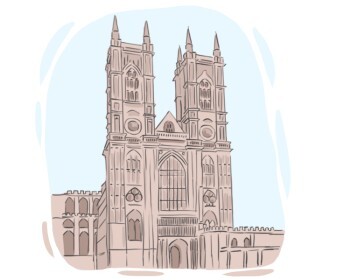
Ex: Inside the citadel , soldiers trained tirelessly to defend the city from potential threats .
facade [noun]

the front of a building, particularly one that is large and has an elegant appearance

Ex: The theater 's facade featured a marquee sign and grand entrance , inviting patrons to experience the magic of live performances within .
renegade [noun]

someone who rejects conventional behavior or allegiance

Ex: In the Wild West , renegades roamed the frontier , defying the law and causing chaos wherever they went .
tirade [noun]

a lengthy speech that uses harsh and angry language and intends to condemn or criticize
Ex: He went on a tirade about the unfair treatment he received from his colleagues .

an individual engaged in fighting or warfare, typically as a member of a military force or armed group

Ex: The wounded combatant was swiftly evacuated from the battlefield to receive medical attention .

a person in whom one places trust and shares secrets or private thoughts and feelings

Ex: He became her confidant during a difficult time in her life .
covenant [noun]

a promise or a formal agreement, particularly one that involves regularly paying a sum of money to someone or an organization

Ex: In the meeting , they discussed the terms of the covenant that would guide their partnership .
occupant [noun]

a person who resides or occupies a particular space, such as a building, room, or vehicle

Ex: The landlord conducted regular inspections of the rental property to ensure the safety and comfort of its occupants .
penchant [noun]

a strong tendency to do something or a fondness for something

Ex: His penchant for classic movies is obvious .
pennant [noun]

a tapering flag on a ship, usually flown at the masthead to indicate a vessel in commission

Ex: The captain raised the commissioning pennant at dawn .
savant [noun]

a person with extraordinary skills or expertise in a particular domain, often alongside other cognitive or developmental challenges

Ex: The art gallery showcased the works of a painting savant , whose abstract creations captivated audiences worldwide .

someone who humbly and earnestly seeks or requests something, often in a pleading manner

Ex: The diplomat acted as a suppliant , negotiating with foreign leaders for peace and cooperation between nations .

an individual who excessively flatters someone of importance to gain a favor or advantage

Ex: The politician surrounded himself with sycophants who praised his every decision .
tenant [noun]

an occupant residing in a place, typically a building or property

Ex: As a long-term tenant , he became a respected member of the community , actively participating in neighborhood events and initiatives .
truant [noun]

a student who does not have permission for not attending school

Ex:
anecdote [noun]

a short interesting story about a real event or person, often biographical

Ex: He told an anecdote about meeting a famous musician by accident .
alkali [noun]

any water-soluble compound that can turn litmus blue and reacts with an acid to form a salt and water

Ex: The chemist carefully measured the alkali to avoid a violent reaction .