
pattern

教育 - 教育規律

ここでは、「demerit」、「detention」、「counseling」などの教育規律に関連するいくつかの英語の単語を学びます。

レビュー

フラッシュカード

語形

綴り

クイズ

学習を開始
Words Related to Education
expulsion
expulsion
[名詞]

the act of expelling or forcing someone to leave a particular place, especially a school

追放, 退学

追放, 退学

Ex: The committee discussed the expulsion of the disruptive student from the program .

委員会は、プログラムから問題のある学生の追放について議論しました。

dropout
dropout
[名詞]

someone who leaves school or college before finishing their studies

中退者, ドロップアウト

中退者, ドロップアウト

Ex: The dropout decided to enroll in a vocational training program to gain new skills and improve his job prospects .

中退者は、新しいスキルを習得し、就職の見通しを改善するために職業訓練プログラムに登録することを決めました。

suspension
suspension
[名詞]

the action of officially not allowing someone to go to school, work, or participate in something for a specific length of time, particularly to punish them

停学, 一時的な除外

停学, 一時的な除外

probation
probation
[名詞]

a legal arrangement in which a convicted offender is released under specific conditions instead of serving time in prison

保護観察, 執行猶予

保護観察, 執行猶予

Ex: Probation officers monitor compliance with court orders.

保護観察官は裁判所の命令の遵守を監視します。

counseling
counseling
[名詞]

a process of providing guidance, support, and advice to someone facing personal, emotional, or psychological challenges

カウンセリング,  セラピー

カウンセリング, セラピー

Ex: He decided to attend counseling to manage anxiety and develop coping strategies for better mental health .

彼は不安を管理し、より良いメンタルヘルスのための対処戦略を開発するためにカウンセリングを受けることを決めました。

corporal punishment

the physical punishment of people, especially of children or convicts

体罰, 身体的罰

体罰, 身体的罰

Ex: The debate over corporal punishment often centers on the balance between parental rights and the well-being of children .

体罰に関する議論は、多くの場合、親の権利と子供の幸福のバランスを中心に展開します。

demerit
demerit
[名詞]

a point against someone for a fault or wrongdoing, often used in educational or disciplinary contexts

デメリット, 罰点

デメリット, 罰点

Ex: The demerit system was implemented to discourage disruptive behavior in the classroom .

教室での破壊的な行動を抑制するためにデメリット制度が導入されました。

detention
detention
[名詞]

a type of punishment for students who have done something wrong and as a result, they cannot go home at the same time as others

罰, 拘禁

罰, 拘禁

Ex: Detention is often used as a disciplinary measure to deter students from breaking school rules .

居残りは、生徒が校則を破るのを防ぐための懲戒処分としてよく使われます。

telling-off
telling-off
[名詞]

a form of scolding or criticism intended to discourage bad behavior or actions

叱責, 小言

叱責, 小言

Ex: My mom gave me a telling-off for not cleaning my room .

母は私の部屋を掃除しなかったことで私を叱責しました。

taunt
taunt
[名詞]

an insulting or mocking remark or action intended to provoke someone or elicit a reaction

嘲り, あざけり

嘲り, あざけり

Ex: Despite the taunts from the opposing team 's fans , the athlete remained composed and focused on the game .

相手チームのファンからの嘲りにもかかわらず、その選手は落ち着いてゲームに集中していた。

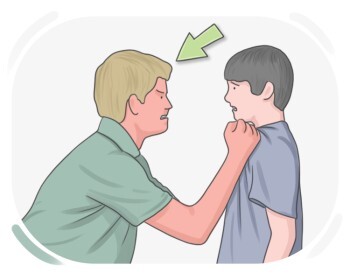
bully
bully
[名詞]

a person who likes to threaten, scare, or hurt others, particularly people who are weaker

いじめっ子, 暴君

いじめっ子, 暴君

Ex: The bully was given a warning for his behavior .

そのいじめっ子は彼の行動に対して警告を受けました。

truant
truant
[名詞]

a student who does not have permission for not attending school

無断欠席の生徒, 許可なく学校を休む生徒

無断欠席の生徒, 許可なく学校を休む生徒

Ex: Being truant can lead to serious academic consequences and disciplinary actions.

無断欠席すると、深刻な学業上の結果や懲戒処分につながる可能性があります。

LanGeek
LanGeekアプリをダウンロード