pattern

人文科学 SAT - 悪

ここでは、SATを突破するために必要な「stigma」、「vanity」、「heinous」など、悪に関連するいくつかの英単語を学びます。

レビュー

フラッシュカード

語形

綴り

クイズ
学習を開始
SAT Vocabulary for Humanities
monstrosity
monstrosity
[名詞]

an action, behavior, or entity that is extremely wicked, evil, or morally reprehensible

怪物性, 残虐

怪物性, 残虐

Ex: The dictator's regime was a monstrosity, committing countless atrocities against innocent people. 

独裁者の政権は怪物のような存在で、無実の人々に対して無数の残虐行為を犯した。

prejudice
prejudice
[名詞]

an unreasonable opinion or judgment based on dislike felt for a person, group, etc., particularly because of their race, sex, etc.

偏見, 先入観

偏見, 先入観

Ex: His remarks revealed a deep-seated prejudice against immigrants. 

彼の発言は、移民に対する根深い 偏見 を明らかにした。

intolerance
intolerance
[名詞]

the state of being reluctant to accept ideas, thoughts, or behaviors that differ from one's own

不寛容

不寛容

stigma
stigma
[名詞]

a mark of shame attached to a person or condition, often resulting in exclusion or discrimination

スティグマ, 恥

スティグマ, 恥

Ex: The stigma of addiction made it hard for him to find work. 

依存症のスティグマが、彼が仕事を見つけるのを困難にした。

vanity
vanity
[名詞]

the act of taking excessive pride in one's own achievements or abilities

虚栄心, 傲慢

虚栄心, 傲慢

Ex: His vanity made it difficult for him to accept criticism. 

彼の虚栄心は、批判を受け入れることを難しくさせた。

scheme
scheme
[名詞]

a secret plan, particularly one that is made to deceive other people

陰謀, 策略

陰謀, 策略

Ex: His scheme involved creating fake documents to access restricted areas. 

彼の計画には、制限区域にアクセスするために偽造文書を作成することが含まれていた。

treason
treason
[名詞]

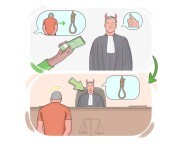
the act of betraying someone or something's trust or loyalty

反逆, 背信

反逆, 背信

Ex: His deceitful actions felt like treason to his best friend who had trusted him implicitly. 

彼の欺瞞的な行動は、彼を絶対的に信頼していた親友にとって裏切りのように感じられた。

assassination

the deliberate killing of a famous or important person, often for political or ideological reasons

暗殺, 計画的殺人

暗殺, 計画的殺人

Ex: The assassination of the president caused widespread shock and mourning across the nation. 

大統領の暗殺は、国中に広範な衝撃と悲嘆を引き起こしました。

corruption
corruption
[名詞]

the process of abandoning moral principles and behaving immorally

腐敗, 堕落

腐敗, 堕落

Ex: He claimed that sex and violence on TV led to the corruption of young people. 

彼は、テレビでのセックスと暴力が若者の堕落を招いたと主張した。

notoriety
notoriety
[名詞]

the state of having a widespread negative reputation due to a bad or disapproving behavior or characteristic

悪名

悪名

Ex: The thief gained notoriety for his string of daring bank robberies across three states. 

その泥棒は3つの州にわたる大胆な銀行強盗の連続で悪名を博した。

brute
brute
[名詞]

a person who is cruel, violent, or lacking in human sensibility

残忍な人, 野蛮人

残忍な人, 野蛮人

Ex: The brute was arrested for his involvement in the violent assault. 

粗暴な男は暴力的な暴行への関与で逮捕されました。

treachery
treachery
[名詞]

the act of showing disloyalty to someone's trust

裏切り, 不実

裏切り, 不実

collusion
collusion
[名詞]

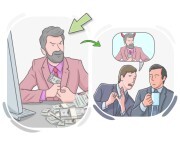
secret agreement particularly made to deceive people

共謀, 癒着

共謀, 癒着

Ex: The investigation uncovered evidence of collusion between the companies to fix prices. 

調査により、企業間で価格を固定するための共謀の証拠が明らかになった。

deceitfulness

the quality of being dishonest and misleading

欺瞞, 不誠実

欺瞞, 不誠実

Ex: Her deceitfulness was revealed when the truth about her lies came to light. 

彼女の欺瞞は、彼女の嘘についての真実が明るみに出たときに明らかになった。

ruse
ruse
[名詞]

a cunning or deceptive strategy or action intended to deceive or trick someone

策略, 計略

策略, 計略

Ex: The spy employed a clever ruse to gain access to classified information. 

スパイは機密情報にアクセスするために巧妙な 策略 を用いた。

humiliation
humiliation
[名詞]

the state of being made to feel ashamed or losing respect and dignity, often in front of others

屈辱, 恥辱

屈辱, 恥辱

Ex: After the false accusations, he lived in a state of constant humiliation. 

虚偽の告発の後、彼は常に屈辱の状態で暮らしていた。

injustice
injustice
[名詞]

a behavior or treatment that is unjust and unfair

不正義, 不公平

不正義, 不公平

Ex: The community rallied together to protest against the injustice of racial discrimination. 

コミュニティは人種差別の不正義に抗議するために団結しました。

deviation
deviation
[名詞]

separation from accepted norms, standards, or expected patterns of conduct

逸脱, 偏差

逸脱, 偏差

Ex: His deviation from the company's code of conduct led to his dismissal. 

会社の行動規範からの逸脱が彼の解雇につながった。

cruelty
cruelty
[名詞]

a deliberate action or treatment that causes physical or mental pain or suffering in others

残酷

残酷

Ex: The cruelty inflicted on the prisoners was later exposed in the media. 

囚人に加えられた残酷さは後にメディアで暴露された。

atrocity
atrocity
[名詞]

the extreme brutality of an action or behavior

残虐, 蛮行

残虐, 蛮行

Ex: The atrocity of the massacre left the entire nation in shock and mourning. 

残虐行為の虐殺は国全体をショックと喪に服させた。

savagery
savagery
[名詞]

a violent act marked by extreme cruelty and aggression

野蛮, 残忍さ

野蛮, 残忍さ

Ex: The survivors described the savagery they endured during the invasion. 

生存者たちは侵略中に耐えた残虐行為について語った。

deceptive
deceptive
[形容詞]

giving an impression that is misleading, false, or deceitful, often leading to misunderstanding or mistaken belief

欺瞞的な, 誤解を招く

欺瞞的な, 誤解を招く

Ex: The defendant's deceptive testimony tried to mislead the jury during the trial. 

被告の欺瞞的な証言は、裁判中に陪審員を誤解させようとした。

devious
devious
[形容詞]

causing someone to have a wrong idea or impression, usually by giving incomplete or false information

欺瞞的な, 狡猾な

欺瞞的な, 狡猾な

Ex: His devious plan to manipulate the stock market was eventually uncovered. 

株式市場を操作する彼の狡猾な計画はついに明らかになった。

fraudulent
fraudulent
[形容詞]

dishonest or deceitful, often involving illegal or unethical actions intended to deceive others

詐欺的な, 欺瞞的な

詐欺的な, 欺瞞的な

Ex: The fraudulent scheme promised large profits but was actually a scam. 

詐欺的な計画は大きな利益を約束しましたが、実際には詐欺でした。

hypocritical
hypocritical
[形容詞]

acting in a way that is different from what one claims to believe or value

偽善的な, 不誠実な

偽善的な, 不誠実な

Ex: It's hypocritical of him to preach about honesty while lying to his friends. 

友人に嘘をつきながら誠実さについて説教するのは彼の偽善的な行為だ。

unscrupulous
unscrupulous
[形容詞]

having no moral principles and willing to do anything to achieve one's goals

非道徳的な, 良心のない

非道徳的な, 良心のない

Ex: The unscrupulous businessman deceived his partners and embezzled funds from the company to enrich himself. 

非道徳的な実業家は、パートナーを騙し、会社の資金を横領して自分自身を豊かにしました。

heinous
heinous
[形容詞]

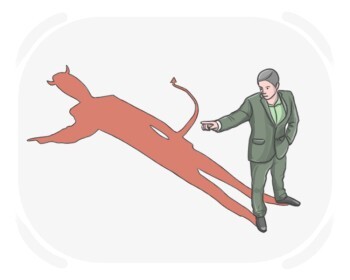
extremely evil or shockingly wicked in a way that deeply disturbs or offends

凶悪な, 忌まわしい

凶悪な, 忌まわしい

Ex: The heinous crime shook the entire community to its core. 

極悪非道な犯罪がコミュニティ全体を根底から揺るがした。

dismissive
dismissive
[形容詞]

showing a lack of interest or respect by ignoring or minimizing someone or something's importance

軽蔑的な,  無関心な

軽蔑的な, 無関心な

Ex: His dismissive tone suggested he didn't value her opinion. 

彼の軽蔑的な口調は、彼が彼女の意見を尊重していないことを示唆していた。

oppressive
oppressive
[形容詞]

having an unfair or harsh control over others, often involving cruelty or severe restrictions

抑圧的な, 暴虐な

抑圧的な, 暴虐な

Ex: The oppressive atmosphere in the classroom stifled students' creativity and enthusiasm. 

教室の抑圧的な雰囲気が生徒の創造性と熱意を押しつぶした。

malicious
malicious
[形容詞]

intending to cause harm or distress to others

悪意のある, 害を及ぼす意図のある

悪意のある, 害を及ぼす意図のある

Ex: The arsonist set fire to the building with malicious intent to cause destruction. 

放火犯は破壊を引き起こすために悪意のある意図で建物に火をつけた。

unwarranted
unwarranted
[形容詞]

unfair and lacking a valid reason

不当な, 根拠のない

不当な, 根拠のない

Ex: Her fears about the project failing were unwarranted and based on misinformation. 

プロジェクトが失敗するという彼女の恐れは根拠のないもので、誤った情報に基づいていました。

fiendish
fiendish
[形容詞]

wickedly cruel and inhuman

悪魔のような, 残忍な

悪魔のような, 残忍な

Ex: The detective struggled to unravel the fiendish plot woven by the mastermind. 

探偵は、首謀者によって仕組まれた残忍な陰謀を解明するのに苦労した。

glib
glib
[形容詞]

persuasive in a way that is deceitful

軽薄な, 表面的な

軽薄な, 表面的な

Ex: The politician was glib, promising reforms she had no intention of delivering. 

その政治家は口先だけの人で、実行するつもりのない改革を約束していた。

vulgar
vulgar
[形容詞]

having an indecent quality or being socially unacceptable in expression

下品な, 粗野な

下品な, 粗野な

Ex: The vulgar language used in the movie offended many viewers. 

映画で使われた下品な言葉遣いが多くの観客の気分を害した。

sordid
sordid
[形容詞]

relating to a disgraceful and corrupted action

卑劣な, 汚らわしい

卑劣な, 汚らわしい

Ex: The newspaper reported on the sordid dealings of the corrupt officials. 

新聞は腐敗した役人たちの卑劣な取引について報じた。

infamous
infamous
[形容詞]

well-known for a bad quality or deed

悪名高い, 有名な

悪名高い, 有名な

Ex: The criminal was infamous for his string of bank robberies across the country. 

その犯罪者は、全国で一連の銀行強盗をしたことで悪名高い。

unethical
unethical
[形容詞]

involving behaviors, actions, or decisions that are morally wrong

非倫理的な, 不道徳な

非倫理的な, 不道徳な

Ex: It was considered unethical to take credit for someone else’s work. 

他人の仕事の功績を自分のものとすることは非倫理的と考えられていた。

outrageous
outrageous
[形容詞]

extremely unusual or unconventional in a way that is shocking

とんでもない, 型破りな

とんでもない, 型破りな

Ex: The outrageous behavior of the celebrity sparked controversy among the public. 

有名人の常識外れな行動が公衆の間で論争を巻き起こした。

controversial
controversial
[形容詞]

causing a lot of strong public disagreement or discussion

議論を呼ぶ,  物議を醸す

議論を呼ぶ, 物議を醸す

Ex: The documentary was controversial, sparking debates across the country. 

そのドキュメンタリーは物議を醸し、全国で議論を巻き起こした。

contentious
contentious
[形容詞]

causing disagreement or controversy among people

議論を呼ぶ, 論争的な

議論を呼ぶ, 論争的な

Ex: The contentious issue of gun control sparked heated debates among lawmakers. 

銃規制の論争の的となる問題が、立法者の間で激しい議論を引き起こしました。

gory
gory
[形容詞]

involving a lof of blood and violence

血まみれの, 暴力的な

血まみれの, 暴力的な

Ex: The novel's gory scenes of war painted a brutal picture of the conflict. 

小説の血まみれの戦争シーンは、紛争の残酷な絵を描いた。

to trick
to trick
[動詞]

to deceive a person so that they do what one wants

だます, 欺く

だます, 欺く

Ex: He tricked his brother into giving him the last piece of cake by pretending it was his birthday. 

彼は誕生日だと偽って兄弟に最後の一切れのケーキを渡すようにだました。

to purport
to purport
[動詞]

to claim or suggest something, often falsely or without proof

主張する, 称する

主張する, 称する

Ex: Some politicians purport to support certain policies, but their actions contradict their words. 

一部の政治家は特定の政策を支持すると主張するが、彼らの行動は彼らの言葉と矛盾している。

to betray
to betray
[動詞]

to be disloyal to a person, a group of people, or one's country by giving information about them to their enemy

裏切る, 密告する

裏切る, 密告する

Ex: The spy betrayed his country by passing classified information to the enemy. 

スパイは機密情報を敵に渡すことで自国を裏切った。

to double-cross

to betray a person that one is in cooperation with, often when they want to do something illegal together

裏切る, 騙す

裏切る, 騙す

Ex: The criminal double-crossed his partner by taking the stolen goods and fleeing with them alone. 

犯罪者は盗んだ品物を奪い、一人で逃げることで仲間を裏切った。

to slaughter
to slaughter
[動詞]

to kill a large number of people, often in a harsh and heartless manner

虐殺する, 屠殺する

虐殺する, 屠殺する

Ex: The invading army sought to slaughter the inhabitants of the defenseless village. 

侵略軍は無防備な村の住民を虐殺しようとした。

to despoil
to despoil
[動詞]

to take valuables by force

略奪する, 強奪する

略奪する, 強奪する

Ex: The invading army despoiled the village of all its treasures. 

侵略軍は村のすべての宝物を略奪した。

to violate
to violate
[動詞]

to not respect someone's rights, privacy, or peace

侵害する, 違反する

侵害する, 違反する

Ex: He violated her privacy by reading her personal messages without permission. 

彼は許可なく彼女の個人的なメッセージを読むことで、彼女のプライバシーを侵害した。

to counterfeit

to make a false copy of something with the intent to deceive

偽造する, 模造する

偽造する, 模造する

Ex: They tried to counterfeit the company's logo on fake products. 

彼らは偽の製品に会社のロゴを偽造しようとしました。

to plagiarize

to take and use the work, words or ideas of someone else without referencing them

盗用する

盗用する

Ex: The student was accused of plagiarizing a passage from an online article in his research paper without citing the source. 

その学生は、オンライン記事からの一節を出典を明示せずに研究論文で盗用したと非難されました。

to manipulate

to control or influence someone cleverly for personal gain or advantage

操作する, 影響を与える

操作する, 影響を与える

Ex: The con artist manipulated his victims into giving him their money by playing on their emotions. 

詐欺師は、被害者の感情を操り、お金を渡すように操作した。

notoriously
notoriously
[副詞]

in a way that is widely known or recognized typically for negative reasons

悪名高く,  有名なほどに

悪名高く, 有名なほどに

Ex: The restaurant was notoriously known for its slow service and inconsistent food quality. 

そのレストランは、遅いサービスと一貫しない食品の品質で悪名高いことで知られていました。

LanGeek
LanGeekアプリをダウンロード