pattern

SAT試験の必須語彙 - ステータス

ここでは、SATを突破するために必要な「均衡」「停滞」「相関」などのステータスに関連する英語の単語をいくつか学びます。

レビュー

フラッシュカード

語形

綴り

クイズ
学習を開始
SAT Exam Essential Vocabulary
equilibrium
equilibrium
[名詞]

a balanced state between opposing influences or powers

平衡

平衡

Ex: The tightrope walker maintained perfect equilibrium as they carefully balanced along the narrow line. 

綱渡りは、細い線に沿って慎重にバランスを取りながら、完璧な均衡を保っていました。

disrepair
disrepair
[名詞]

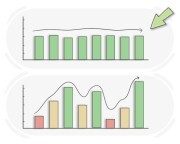
a damaged or broken state of a building or other structure, because it has not been taken care of

荒廃, 不良状態
荒廃, 不良状態

seclusion
seclusion
[名詞]

the state of being isolated from other things or people, usually by choice

隔離, 隠遁

隔離, 隠遁

privacy
privacy
[名詞]

a state in which other people cannot watch or interrupt a person

プライバシー,  私生活

プライバシー, 私生活

serenity
serenity
[名詞]

a state of calm and peacefulness, free from stress, anxiety, or disturbance

静けさ, 平穏

静けさ, 平穏

stability
stability
[名詞]

the state or quality of being steady, secure, and unlikely to move or change suddenly

安定,  安定性

安定, 安定性

Ex: The country enjoyed several years of political stability. 
sustainability

the capacity to be maintained for a long time and causing no harm to the environment

持続可能性, サステナビリティ

持続可能性, サステナビリティ

Ex: Sustainability in agriculture ensures soil health for future generations. 

農業における持続可能性は、将来の世代のために土壌の健康を確保します。

moratorium
moratorium
[名詞]

an officially declared pause of a specific action or policy, often imposed by authorities to allow for review, safety, or negotiation

モラトリアム, 一時停止

モラトリアム, 一時停止

Ex: The government imposed a moratorium on offshore drilling after the oil spill. 

政府は石油流出後、洋上掘削にモラトリアムを課した。

backlog
backlog
[名詞]

a collection of tasks, orders, or materials that have not been completed or processed, requiring attention

バックログ, 未処理のタスクの蓄積

バックログ, 未処理のタスクの蓄積

Ex: The company's backlog of customer orders grew due to delays in production. 

生産の遅れにより、同社の顧客注文のバックログが増加しました。

muddle
muddle
[名詞]

a state of confusion or disorder characterized by a mixture of things that are not clearly organized or understood

混乱, ごちゃ混ぜ

混乱, ごちゃ混ぜ

Ex: The new employee faced a muddle of instructions on their first day. 

新しい従業員は初日に指示の混乱に直面しました。

high profile
high profile
[名詞]

something or someone that attracts a lot of public attention or interest due to prominence, importance, or controversy

ハイプロファイル, 非常に注目を集める

ハイプロファイル, 非常に注目を集める

Ex: The celebrity's divorce became a high-profile event covered by the media. 

有名人の離婚は、メディアに取り上げられた ハイプロファイル な出来事となった。

tangle
tangle
[名詞]

a confused or complicated mass of things that are twisted or interwoven together

もつれ, 混乱

もつれ, 混乱

Ex: The company found itself in a legal tangle after breaching the contract with its partners. 

会社は、パートナーとの契約を違反した後、法的なもつれに陥りました。

circumstance
circumstance
[名詞]

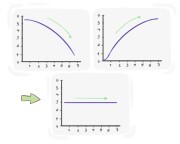
the conditions or factors that surround and influence a particular situation

状況, 事情
状況, 事情

Ex: In certain circumstances, exceptions to the rule can be considered. 
to remain
to remain
[動詞]

to stay in the same state or condition

残る, とどまる

残る, とどまる

Ex: The mystery surrounding the disappearance of the artifact will remain unsolved. 
to retain
to retain
[動詞]

to intentionally keep, maintain, or preserve something in its current state, resisting removal, elimination, or alteration

保持する, 維持する

保持する, 維持する

Ex: The small town decided to retain its annual summer festival as a cherished tradition. 
to preserve
to preserve
[動詞]

to cause something to remain in its original state without any significant change

保存する, 維持する

保存する, 維持する

Ex: Historical artifacts are preserved in museums to maintain their original condition. 
to suffice
to suffice
[動詞]

to be enough or adequate for a particular purpose or requirement

十分である, 足りる

十分である, 足りる

Ex: A simple explanation will suffice to clarify the misunderstanding. 

誤解を解くには簡単な説明で十分でしょう。

to pertain
to pertain
[動詞]

to be applicable, connected, or relevant to a particular subject, circumstance, or situation

関連する, 当てはまる

関連する, 当てはまる

Ex: The legal guidelines pertain to the fair treatment of all individuals, regardless of their background or identity. 

法的ガイドラインは、背景やアイデンティティに関係なく、すべての個人の公平な扱いに関連しています。

to coexist
to coexist
[動詞]

to exist together in the same location or period, without necessarily interacting

共存する

共存する

Ex: In the museum, contemporary art pieces coexist with classical sculptures. 

美術館では、現代美術作品が古典的な彫刻と共存しています。

to suspend
to suspend
[動詞]

to temporarily stop, postpone, or put an activity, process, or action on hold

一時停止する,  中断する
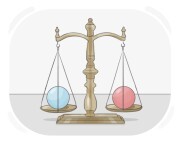
一時停止する, 中断する

Ex: The company suspended production while the equipment was being repaired. 
to correspond

to agree or be consistent with something else

一致する,  対応する

一致する, 対応する

Ex: The witness's account corresponds with the available evidence. 
to correlate
to correlate
[動詞]

to be closely connected or have mutual effects

相関する, 関連性がある

相関する, 関連性がある

Ex: The increase in exercise tends to correlate with improvements in overall health and well-being. 

運動量の増加は、全体的な健康と幸福の改善と相関する傾向があります。

to declassify

to remove the classification or status of secrecy from information, making it accessible to the public

機密指定を解除する, 非分類化する

機密指定を解除する, 非分類化する

Ex: The government decided to declassify certain documents related to the historical event. 

政府は歴史的な出来事に関連する特定の文書を機密解除することを決定しました。

operative
operative
[形容詞]

currently effective or actively exerting influence

有効な, 施行中の

有効な, 施行中の

Ex: The new regulations will be operative starting next year. 

新しい規制は来年から施行されます。

predetermined
predetermined
[形容詞]

decided or arranged beforehand

事前に決められた, あらかじめ設定された

事前に決められた, あらかじめ設定された

Ex: The team followed a predetermined strategy to achieve their goals. 

チームは目標を達成するために事前に決められた戦略に従いました。

interdependent
interdependent
[形容詞]

depending on each other and mutually reliant

相互依存の, 互いに依存している

相互依存の, 互いに依存している

Ex: The interdependent parts of the ecosystem rely on each other for survival. 

生態系の相互依存している部分は、生存のために互いに依存しています。

undisturbed
undisturbed
[形容詞]

left alone without interference or interruption

邪魔されない, 静かな

邪魔されない, 静かな

Ex: The wildlife sanctuary provided a habitat where animals could live undisturbed. 

野生生物保護区は、動物が邪魔されずに生きられる生息地を提供した。

intact
intact
[形容詞]

undamaged and complete

無傷の, 完全な

無傷の, 完全な

Ex: The ancient artifact was discovered buried in the ground, remarkably intact after centuries. 
dormant
dormant
[形容詞]

not in an active, developing, or operating state but can become so later on

休眠中の, 潜在的な

休眠中の, 潜在的な

Ex: The volcano remains dormant, but it could erupt at any time. 

火山は休眠状態のままですが、いつでも噴火する可能性があります。

idle
idle
[形容詞]

(of a machine, factory, or similar system) not operating or in active use

アイドル状態の, 稼働していない

アイドル状態の, 稼働していない

Ex: The factory has been idle since last month's power outage. 

工場は先月の停電以来アイドル状態です。

idyllic
idyllic
[形容詞]

perfect or idealistic, often in a romantic or nostalgic sense

牧歌的な, 理想的な

牧歌的な, 理想的な

Ex: They spent an idyllic summer in the countryside. 

彼らは田舎で牧歌的な夏を過ごしました。

defunct
defunct
[形容詞]

no longer in use, operation, or existence

廃止された, 存在しない

廃止された, 存在しない

Ex: The defunct airline, once a symbol of air travel luxury, succumbed to financial pressures and ceased operations. 

かつて航空旅行の贅沢の象徴であった廃止された航空会社は、財政的な圧力に屈し、運営を停止しました。

chaotic
chaotic
[形容詞]

having a state of complete disorder

混沌とした, 無秩序な

混沌とした, 無秩序な

Ex: The traffic in the city during rush hour is often chaotic, with cars moving in every direction and honking horns. 

ラッシュアワーの都市の交通はしばしば混沌としていて、車が四方八方に動き、クラクションが鳴り響きます。

full-fledged
full-fledged
[形容詞]

having achieved full status or maturity in a particular role or position

正式な, 完全に資格のある

正式な, 完全に資格のある

Ex: After completing his training, he became a full-fledged member of the team. 

トレーニングを完了した後、彼はチームの正式なメンバーになりました。

awry
awry
[形容詞]

not operating or happening as expected

間違った, 正常に動作していない

間違った, 正常に動作していない

Ex: The system malfunctioned, and now the schedule is awry. 

システムが誤作動を起こし、今スケジュールが狂っています。

alight
alight
[形容詞]

burning with flames

燃えている, 炎上している

燃えている, 炎上している

Ex: Their campfire was still alight in the morning. 

朝になっても彼らのキャンプファイヤーはまだ燃えていた。

ablaze
ablaze
[形容詞]

brightly illuminated, especially by fire or flames

燃え盛る, 炎上している

燃え盛る, 炎上している

Ex: The forest was ablaze with the raging wildfire. 

森は猛威を振るう山火事で燃え盛っていた。

tranquil
tranquil
[形容詞]

feeling calm and peaceful, without any disturbances or things that might be upsetting

穏やかな, 平和な

穏やかな, 平和な

Ex: The tranquil lake mirrored the clear blue sky, offering a perfect escape from the busy world. 

静かな湖は澄んだ青空を映し、忙しい世界からの完璧な逃避行を提供した。

steady
steady
[形容詞]

not subject to significant change or decline

安定した, 着実な

安定した, 着実な

Ex: Her health remained steady after treatment. 
derelict
derelict
[形容詞]

having a poor condition, often because of being abandoned or neglected for a long time

放棄された, 荒廃した

放棄された, 荒廃した

Ex: The derelict house had broken windows and a collapsing roof. 

廃墟の家には壊れた窓と崩れ落ちる屋根があった。

pitiable
pitiable
[形容詞]

making one feel sorry for someone or something that seems unworthy of respect or consideration

哀れな, 情けない

哀れな, 情けない

indivisible
indivisible
[形容詞]

unable to be divided or separated into parts

分割できない, 分けられない

分割できない, 分けられない

Ex: The concept of justice is often seen as indivisible from the concept of fairness. 

正義の概念は、公平性の概念から切り離せないとしばしば見なされます。

quiescent
quiescent
[形容詞]

not currently in motion, operation, or expression

不活性な, 静止状態の

不活性な, 静止状態の

Ex: The volcano remained quiescent, showing no signs of eruption. 

火山は静止したままで、噴火の兆候を示さなかった。

inseparable
inseparable
[形容詞]

not able to be separated or detached

分離できない, 切り離せない

分離できない, 切り離せない

Ex: For that community, culture and identity were inseparable dimensions of their existence. 

そのコミュニティにとって、文化とアイデンティティは彼らの存在の切り離せない次元でした。

self-sufficient
self-sufficient
[形容詞]

capable of providing everything that one needs, particularly food, without any help from others

自給自足の,  独立した

自給自足の, 独立した

Ex: After years of practice, the farm became self-sufficient, growing enough food and resources to sustain itself year-round. 

何年もの実践の後、農場は自給自足になり、一年中自分自身を維持するのに十分な食料と資源を育てるようになりました。
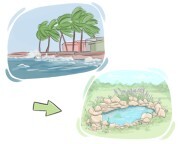
stagnant
stagnant
[形容詞]

lacking movement or circulation

停滞した, 動かない

停滞した, 動かない

Ex: They drained the stagnant water to prevent mosquito breeding. 

彼らは蚊の繁殖を防ぐためによどんだ水を排水した。

inherently
inherently
[副詞]

in a manner that refers to the natural and essential characteristics of a person, thing, or situation

本質的に, 本来

本質的に, 本来

Ex: Cats are inherently curious creatures, often exploring their surroundings with great interest. 

猫は本質的に好奇心旺盛な生き物で、しばしば周囲を大きな興味を持って探検します。

SAT試験の必須語彙
プロセスステータスアイテムの管理
LanGeek
LanGeekアプリをダウンロード