pattern

IELTS のための語彙 (一般) - 原因と結果

ここでは、IELTS試験に必要な「したがって」、「それによって」、「起因する」などの原因と結果に関する英語の単語を学びます。

復習

フラッシュカード

綴り

クイズ

学習を開始
Words for General IELTS
to arise
to arise
[動詞]

to begin to exist, happen, or become noticeable, especially unexpectedly

Ex: Unexpected challenges can arise during the course of a project, requiring swift problem-solving. 

プロジェクトの過程で予期せぬ課題が発生する可能性があり、迅速な問題解決が必要です。

consequently
consequently
[副詞]

used to indicate a logical result or effect

その結果、したがって

その結果、したがって

Ex: The team neglected to conduct thorough testing, and consequently, several critical errors emerged in the final product. 

チームは徹底的なテストを行うことを怠り、その結果、最終製品にいくつかの重大なエラーが発生しました。

following
following
[前置詞]

used to indicate what happens as a result of something

に続いて,の後に

に続いて,の後に

Ex: The meeting will take place on Monday, with a team lunch following the discussion. 

会議は月曜日に行われ、議論に続いてチームランチがあります。

hence
hence
[副詞]

used to say that one thing is a result of another

したがって,それゆえに

したがって,それゆえに

Ex: She missed the bus, hence she arrived late to the meeting. 

彼女はバスを逃した、それゆえ会議に遅れて到着した。

outcome
outcome
[名詞]

the result or consequence of a situation, event, or action

結果,結末

結果,結末

Ex: Proper planning and execution can greatly influence the outcome of any endeavor. 

適切な計画と実行は、あらゆる努力の結果に大きく影響を与えることができます。

thus
thus
[副詞]

used to introduce a result based on the information or actions that came before

したがって,それゆえ

したがって,それゆえ

Ex: The market demand for renewable energy sources is increasing; thus, more companies are investing in sustainable technologies. 

再生可能エネルギー源に対する市場の需要が高まっている; したがって、より多くの企業が持続可能な技術に投資しています。

to trigger
to trigger
[動詞]

to cause an event, process, or reaction to begin

引き起こす, 誘発する

引き起こす, 誘発する

Ex: The announcement triggered widespread criticism. 
causative
causative
[形容詞]

being the reason behind the occurrence of something

原因となる,責任がある

原因となる,責任がある

Ex: The doctor explained that smoking is a causative factor in many respiratory diseases. 

医者は、喫煙が多くの呼吸器疾患の原因となる要因であると説明しました。

to ensue
to ensue
[動詞]

to happen following something or as a result of it

続く,結果として生じる

続く,結果として生じる

Ex: Confusion ensued when the new policy was implemented without prior notice. 

新しい政策が事前の通知なしに実施されたとき、混乱が生じた。

ineffective
ineffective
[形容詞]

not achieving the desired outcome or intended result

効果がない,無効な

効果がない,無効な

Ex: The medication proved to be ineffective in treating the patient's condition. 

その薬は患者の状態の治療に効果がないことが証明された。

whereby
whereby
[副詞]

used for indicating that something is done in accordance with the mentioned rule, approach, method, etc.

それによって,それに従って

それによって,それに従って

Ex: The company set up a procedure whereby, employees receive feedback regularly. 

会社は、従業員が定期的にフィードバックを受ける手順を設けました。

thereby
thereby
[副詞]

used to indicate how something is achieved or the result of an action

それによって,その結果

それによって,その結果

Ex: She followed a healthy diet, thereby improving her overall well-being. 

彼女は健康的な食事を続け、それによって全体的な健康を改善しました。

to effect
to effect
[動詞]

to cause something to happen or to achieve a desired outcome

実行する,もたらす

実行する,もたらす

Ex: The manager's strategy was designed to effect a turnaround in the department's performance. 

マネージャーの戦略は、部門の業績に影響を与えるように設計されていました。

to prompt
to prompt
[動詞]

to cause an event, reaction, or situation to occur

促す, 引き起こす

促す, 引き起こす

Ex: The announcement prompted widespread criticism. 
effectually
effectually
[副詞]

in a way that produces the intended result

効果的に, 有効に

効果的に, 有効に

consequentially

happening as a consequence or effect of something

結果として,従って

結果として,従って

hereby
hereby
[副詞]

(in official situations) according to this statement or document

ここに,本書により

ここに,本書により

thereupon
thereupon
[副詞]

immediately following something that is mentioned

直ちに

直ちに

to imply
to imply
[動詞]

to suggest that one thing is the logical consequence of the other

ほのめかす,暗示する

ほのめかす,暗示する

Ex: The dark clouds imply that it might rain later today. 

暗い雲は今日後半に雨が降るかもしれないことを暗示しています。

ineffectual
ineffectual
[形容詞]

failing to achieve a desired result

効果のない,無駄な

効果のない,無駄な

Ex: His apology was ineffectual—it didn't fix the damage he had done. 

彼の謝罪は効果がなかった—彼が引き起こした損害を修復しなかった。

to result
to result
[動詞]

to directly cause something

引き起こす,結果として生じる

引き起こす,結果として生じる

Ex: His reckless behavior resulted in a car accident. 

彼の無謀な行動は、車の事故につながった。

to stem
to stem
[動詞]

to originate or develop as a result of something

由来する, 起因する

由来する, 起因する

Ex: Many of the delays stem from a shortage of trained workers. 
repercussion
repercussion
[名詞]

an unintended effect of something, usually a negative and long lasting one

影響,余波

影響,余波

Ex: The policy change had unexpected repercussions on local businesses. 

政策変更は地元企業に予期せぬ影響をもたらした。

chain reaction

a series of related events, each of which is caused by the former one

連鎖反応

連鎖反応

due to
due to
[前置詞]

as a result of a specific cause or reason

による,のため

による,のため

Ex: The flight delay was due to heavy fog at the airport. 

飛行機の遅延は、空港の濃い霧によるものでした。

indirectly
indirectly
[副詞]

not caused in a direct way or as the main result

間接的に

間接的に

effectively
effectively
[副詞]

in a way that results in the desired outcome

効果的に, 有効に

効果的に, 有効に

Ex: The new software streamlined the company's workflow, allowing employees to communicate more effectively. 

新しいソフトウェアは会社のワークフローを合理化し、従業員がより効果的にコミュニケーションを取れるようにしました。

means
means
[名詞]

a way, system, object, etc. through which one can achieve a goal or accomplish a task

手段,道具

手段,道具

Ex: Saving and investing wisely are effective means to secure financial stability. 

賢く貯蓄し投資することは、財政的な安定を確保するための効果的な手段です。

aftereffect
aftereffect
[名詞]

an effect that results from an action or event

余波,影響

余波,影響

Ex: The aftereffect of the earthquake was widespread power outages across the city. 

地震の余波は、市内全域にわたる広範囲な停電でした。

by-product
by-product
[名詞]

something that happens incidentally and unexpectedly as a result of something else

副産物,予期せぬ結果

副産物,予期せぬ結果

Ex: The fermentation process yields alcohol as a by-product. 

発酵プロセスはアルコールを副産物として生み出します。

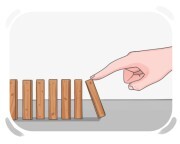
domino effect

a situation in which one action or event causes a series of related effects

ドミノ効果, 連鎖反応

ドミノ効果, 連鎖反応

Ex: The power outage created a domino effect across the city. 
to [take] effect

(of an action, process, or change) to begin to produce the intended results or outcome

Ex: The environmental conservation efforts of the community have taken effect, leading to cleaner air and water. 
to [come] into effect

to start being used or having an impact

Ex: The new policy will come into effect next month. 
LanGeek
LanGeekアプリをダウンロード