pattern

Vocabulary for IELTS (General) - Cause and Effect

Here you will learn some English words about cause and effect, such as "hence", "thereby", "stem", etc. that are needed for the IELTS exam.

Review

Flashcards

Forms

Spelling

Quiz

Start learning
Words for General IELTS
to arise
to arise
[Verb]

to begin to exist or become noticeable

Ex: Unexpected challenges can arise during the course of a project, requiring swift problem-solving. 
Close
Sign in
consequently
consequently
[Adverb]

used to indicate a logical result or effect

Ex: The team neglected to conduct thorough testing, and consequently, several critical errors emerged in the final product. 
Close
Sign in
following
following
[preposition]

used to indicate what happens as a result of something

Ex: The meeting will take place on Monday, with a team lunch following the discussion. 
Close
Sign in
hence
hence
[Adverb]

used to say that one thing is a result of another

Ex: She missed the bus, hence she arrived late to the meeting. 
Close
Sign in
outcome
outcome
[noun]

the result or consequence of a situation, event, or action

Ex: The outcome of the election was surprising to many analysts. 
Close
Sign in
thus
thus
[Adverb]

used to introduce a result based on the information or actions that came before

Ex: She saved consistently each month; thus, she was able to afford the vacation she had always dreamed of. 
Close
Sign in
to trigger

to cause something to happen

Ex: The economic downturn triggered a series of layoffs within the company. 
Close
Sign in
causative
causative
[Adjective]

being the reason behind the occurrence of something

Ex: The doctor explained that smoking is a causative factor in many respiratory diseases. 
Close
Sign in
to ensue
to ensue
[Verb]

to happen following something or as a result of it
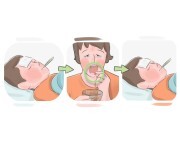
Ex: A heated argument ensued after the controversial decision was announced. 
Close
Sign in
ineffective
ineffective
[Adjective]

not achieving the desired outcome or intended result

Ex: The medication proved to be ineffective in treating the patient's condition. 
Close
Sign in
whereby
whereby
[Adverb]

used for indicating that something is done in accordance with the mentioned rule, approach, method, etc.

Ex: The company set up a procedure whereby, employees receive feedback regularly. 
Close
Sign in
thereby
thereby
[Adverb]

used to indicate how something is achieved or the result of an action

Ex: She followed a healthy diet, thereby improving her overall well-being. 
Close
Sign in
to effect
to effect
[Verb]

to cause something to happen or to achieve a desired outcome

Ex: The new policy will effect significant changes in the company's operations. 
Close
Sign in
to prompt
to prompt
[Verb]

to make something happen

Ex: The news of the imminent hurricane prompted widespread evacuation efforts in coastal regions. 
Close
Sign in
effectually
effectually
[Adverb]

in a way that produces the intended result

Close
Sign in
consequentially

happening as a consequence or effect of something

Close
Sign in
hereby
hereby
[Adverb]

(in official situations) according to this statement or document

Close
Sign in
thereupon
thereupon
[Adverb]

immediately following something that is mentioned

Close
Sign in
to imply
to imply
[Verb]

to suggest that one thing is the logical consequence of the other

Ex: The dark clouds imply that it might rain later today. 
Close
Sign in
ineffectual
ineffectual
[Adjective]

failing to achieve a desired result

Ex: Their ineffectual efforts to stop the leak only made the problem worse. 
Close
Sign in
to result
to result
[Verb]

to directly cause something

Ex: His reckless behavior resulted in a car accident. 
Close
Sign in
to stem
to stem
[Verb]

to be caused by something

Ex: The rise in inflation can often stem from increased demand for goods and services without a corresponding increase in supply. 
Close
Sign in
repercussion

an unintended effect of something, usually a negative and long lasting one

Ex: The policy change had unexpected repercussions on local businesses. 
Close
Sign in
chain reaction

a series of related events, each of which is caused by the former one

Close
Sign in
due to
due to
[preposition]

as a result of a specific cause or reason
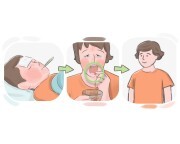
Ex: The flight delay was due to heavy fog at the airport. 
Close
Sign in
indirectly
indirectly
[Adverb]

not caused in a direct way or as the main result

Close
Sign in
effectively
effectively
[Adverb]

in a way that results in the desired outcome

Ex: The new software streamlined the company's workflow, allowing employees to communicate more effectively. 
Close
Sign in
means
means
[noun]

a way, system, object, etc. through which one can achieve a goal or accomplish a task

Ex: Education is a powerful means to improve one's future prospects. 
Close
Sign in
aftereffect

an effect that results from an action or event

Ex: The aftereffect of the earthquake was widespread power outages across the city. 
Close
Sign in
by-product

something that happens incidentally and unexpectedly as a result of something else

Ex: The fermentation process yields alcohol as a by-product. 
Close
Sign in
domino effect

a situation in which a series of similar events are triggered by a single event as the primary cause

Close
Sign in
to [take] effect

(of an action, process, or change) to begin to produce the intended results or outcome

Ex: The changes in diet and exercise started to take effect, and he felt healthier. 
Close
Sign in
to [come] into effect

to start being used or having an impact

Ex: The new policy will come into effect next month. 
Close
Sign in
LanGeek
Download LanGeek app