
가장 흔한 500개의 영어 동사 - 상위 151 - 175 동사

여기에서는 "face", "bear", "study"와 같은 영어에서 가장 일반적인 동사 목록의 7부가 제공됩니다.

review-disable

리뷰

flashcard-disable

플래시카드

spelling-disable

철자법

quiz-disable

퀴즈

학습 시작
가장 흔한 500개의 영어 동사
to remain [동사]
اجرا کردن

남다

Ex: Please remain seated until the airplane comes to a complete stop .

비행기가 완전히 멈출 때까지 자리에 계속 앉아 주세요.
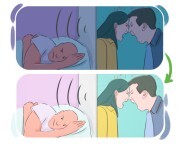
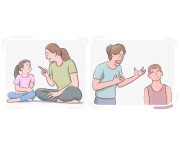
to face [동사]
اجرا کردن

직면하다

Ex: Last year , the company faced financial difficulties but managed to recover .

작년에 그 회사는 재정적 어려움을 겪었지만 회복하는 데 성공했습니다.

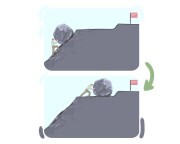
to bear [동사]
اجرا کردن

견디다

Ex: We must learn to bear the hardships of life with resilience and patience .

우리는 인내심과 탄력성으로 삶의 고난을 견디는 법을 배워야 합니다.

to wonder [동사]
اجرا کردن

궁금해하다

Ex: The detective could n't help but wonder who the mysterious figure in the photograph could be .

탐정은 사진 속 신비한 인물이 누구일지 궁금해하지 않을 수 없었다.

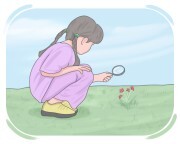
to study [동사]
اجرا کردن

공부하다

Ex: They are studying for the science competition next month .

그들은 다음 달 과학 대회를 위해 공부하고 있습니다.

to apply [동사]
اجرا کردن

지원하다

Ex: She decided to apply for the scholarship to support her education .

그녀는 자신의 교육을 지원하기 위해 장학금에 지원하기로 결정했습니다.

to manage [동사]
اجرا کردن

관리하다

Ex: The athlete managed to cross the finish line even with an injury .

그 선수는 부상에도 불구하고 결승선을 넘을 수 있었다.

to reduce [동사]
اجرا کردن

줄이다

Ex: The government implemented measures to reduce pollution in urban areas .

정부는 도시 지역의 오염을 줄이기 위한 조치를 시행했습니다.

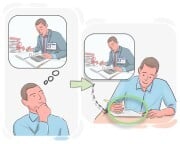
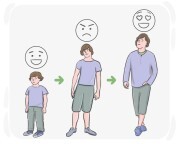
to adapt [동사]
اجرا کردن

적응하다

Ex: The team has adapted itself to the changing dynamics of remote work .

팀은 원격 근무의 변화하는 역학에 적응했습니다.

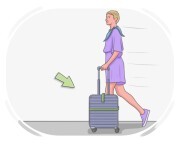
to travel [동사]
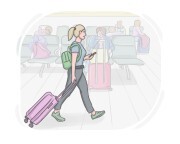
اجرا کردن

여행하다

Ex:

그들은 하이킹과 스키를 즐기기 위해 산으로 여행을 갔다.

to name [동사]
اجرا کردن

이름을 짓다

Ex: She named her new kitten " Whiskers " because of its distinctive facial markings .

그녀는 새로 난 고양이에게 뚜렷한 얼굴 표시 때문에 "위스커스"라고 이름을 지었다.

to suggest [동사]
اجرا کردن

제안하다

Ex: The professor suggested several topics for research papers in the upcoming semester .

교수는 다음 학기에 연구 논문을 위한 여러 주제를 제안했습니다.

to remove [동사]
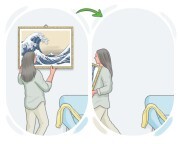
اجرا کردن

제거하다

Ex: The city decided to remove the old statue and replace it with a new one .

도시는 오래된 동상을 제거하고 새로운 것으로 교체하기로 결정했습니다.

to cook [동사]
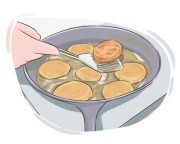
اجرا کردن

요리하다

Ex: The chef cooks a delicious meal in the restaurant .

셰프는 레스토랑에서 맛있는 식사를 요리합니다.

to welcome [동사]
اجرا کردن

환영하다

Ex: The students organized a party to welcome the new exchange student .

학생들은 새로운 교환 학생을 환영하기 위해 파티를 조직했습니다.

to improve [동사]
اجرا کردن

개선하다

Ex: The renovations are expected to improve the appearance of the old building .

리모델링으로 오래된 건물의 외관이 개선될 것으로 예상됩니다.

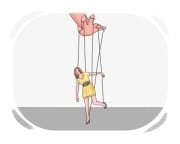
to control [동사]
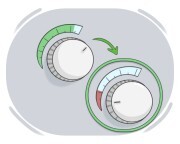
اجرا کردن

통제하다

Ex: As a parent , it 's important to guide and control your child 's behavior .

부모로서, 아이의 행동을 지도하고 통제하는 것이 중요합니다.

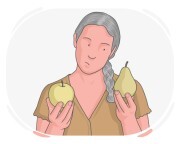
to compare [동사]
اجرا کردن

비교하다

Ex: The scientist will compare the experimental results to draw conclusions .

과학자는 결론을 도출하기 위해 실험 결과를 비교할 것입니다.

to drink [동사]
اجرا کردن

마시다

Ex: I usually drink a cup of green tea in the afternoon .

나는 보통 오후에 녹차 한 잔을 마신다.

اجرا کردن

경험하다

Ex: It 's essential to experience failure to truly appreciate success .

성공을 진정으로 감사하기 위해서는 실패를 경험하는 것이 필수적입니다.

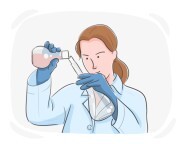
to test [동사]
اجرا کردن

시험하다

Ex: Engineers need to test the materials for durability and strength .

엔지니어는 재료의 내구성과 강도를 테스트해야 합니다.

to carry [동사]
اجرا کردن

들고 가다

Ex: The delivery truck will carry the goods to the warehouse .

배송 트럭이 물건을 창고로 운반할 것입니다.

to return [동사]
اجرا کردن

돌아가다

Ex: The athlete plans to return to training after recovering from an injury .

그 선수는 부상에서 회복한 후 훈련에 복귀할 계획입니다.

to treat [동사]
اجرا کردن

대하다

Ex: She treated him with suspicion after the misunderstanding .

오해 후에 그녀는 그를 의심하며 대했다.

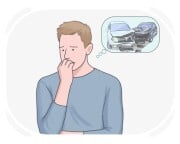
to worry [동사]
اجرا کردن

걱정하다

Ex: He could n't help but worry about the uncertain future .

그는 불확실한 미래에 대해 걱정하지 않을 수 없었다.