pattern

500 Most Common English Verbs - Top 151 - 175 Verbs

Here you are provided with the part 7 of the list of the most common verbs in English such as "face", "bear", and "study".

Review

Flashcards

Forms

Spelling

Quiz
Start learning
Most Common Verbs in English Vocabulary
to remain
to remain
[Verb]

to stay in the same state or condition

Ex: Despite the challenges, he remained optimistic. 
Close
Sign in
to face
to face
[Verb]

to deal with a given situation, especially an unpleasant one

Ex: Employees often face challenges in adapting to new workplace policies. 
Close
Sign in
to bear
to bear
[Verb]

to allow the presence of an unpleasant person, thing, or situation without complaining or giving up

Ex: She had to bear the presence of her annoying coworker throughout the project. 
Close
Sign in
to wonder
to wonder
[Verb]

to want to know about something particular

Ex: I often wonder what life would be like in a different time period. 
Close
Sign in
to study
to study
[Verb]

to spend time to learn about certain subjects by reading books, going to school, etc.
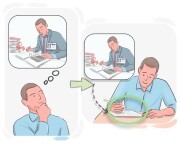
Ex: She spends hours every day to study for her upcoming exams. 
Close
Sign in
to apply
to apply
[Verb]

to formally request something, such as a place at a university, a job, etc.
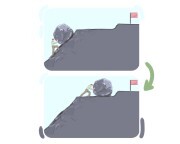
Ex: Students often apply to multiple universities to increase their chances of acceptance. 
Close
Sign in
to manage
to manage
[Verb]

to do something difficult successfully
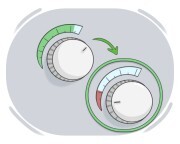
Ex: She managed to finish the project just before the deadline. 
Close
Sign in
to reduce
to reduce
[Verb]

to make something smaller in amount, degree, price, etc.

Ex: The company decided to reduce the prices of its products to attract more customers. 
Close
Sign in
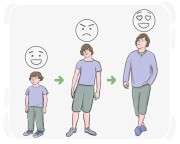
to adapt
to adapt
[Verb]

to adjust oneself to fit into a new environment or situation

Ex: After moving abroad, he had to quickly adapt to the local culture. 
Close
Sign in
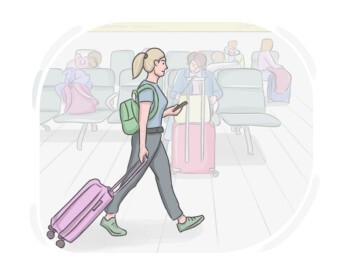
to travel
to travel
[Verb]

to go from one location to another, particularly to a far location

Ex: He travels for work and often visits different cities for business meetings. 
Close
Sign in
to name
to name
[Verb]

to give a name to something or someone

Ex: Parents often carefully name their children after considering various factors. 
Close
Sign in
to suggest

to mention an idea, proposition, plan, etc. for further consideration or possible action
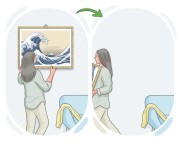
Ex: The committee suggested changes to improve the efficiency of the process. 
Close
Sign in
to remove
to remove
[Verb]

to take something away from a position
Ex: The surgeon will carefully remove the tumor during the operation. 
Close
Sign in
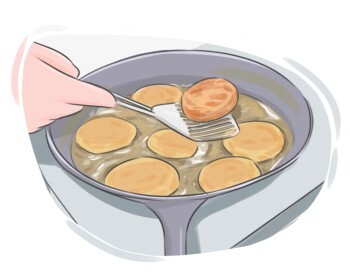
to cook
to cook
[Verb]

to make food with heat

Ex: I love to cook scrambled eggs with cheese for breakfast. 
Close
Sign in
to welcome

to meet and greet someone who has just arrived

Ex: He welcomed his friend at the train station who was visiting from another city. 
Close
Sign in
to improve

to make a person or thing better

Ex: Regular exercise can improve your overall health. 
Close
Sign in
to control

to have power over a person, company, country, etc. and to decide how things should be done
Ex: The CEO sought to control the company's strategic direction. 
Close
Sign in
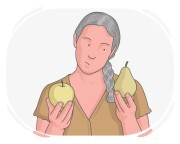
to compare

to examine or look for the differences between of two or more objects
Ex: She literally took an hour comparing prices before making a purchase. 
Close
Sign in
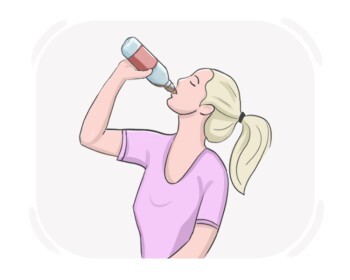
to drink
to drink
[Verb]

to put water, coffee, or other type of liquid inside of our body through our mouth
Ex: He prefers to drink hot chocolate in the winter, not in the summer. 
Close
Sign in
to experience

to personally be involved in and understand a particular situation, event, etc.

Ex: Traveling to a new country allows you to experience different cultures. 
Close
Sign in
to test
to test
[Verb]

to take actions to check the quality, reliability, or performance of something

Ex: The mechanic tested the car's brakes to ensure they were functioning properly. 
Close
Sign in
to carry
to carry
[Verb]

to hold someone or something and take them from one place to another

Ex: She used a backpack to carry her books to school. 
Close
Sign in
to return
to return
[Verb]

to go or come back to a person or place
Ex: After a long vacation, it's time to return home. 
Close
Sign in
to treat
to treat
[Verb]

to deal with or behave toward someone or something in a particular way

Ex: Always treat animals with care and compassion. 
Close
Sign in
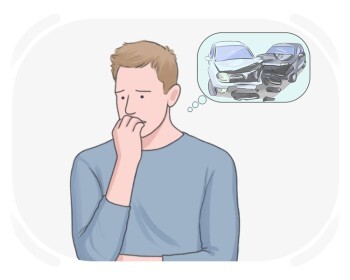
to worry
to worry
[Verb]

to feel upset and nervous because we think about bad things that might happen to us or our problems

Ex: She tends to worry about upcoming exams. 
Close
Sign in
LanGeek
Download LanGeek app