
500 Najczęstszych Angielskich Czasowników - Top 151 - 175 Czasowników
Tutaj otrzymujesz część 7 listy najczęściej używanych czasowników w języku angielskim, takich jak "face", "bear" i "study".
Przegląd
Fiszki
formy
Pisownia
Test
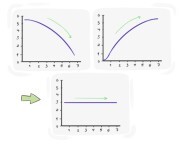
to stay in the same state or condition

pozostać, zostać
Pomimo wyzwań, pozostał optymistą.
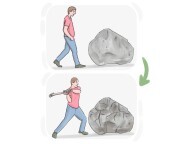
to deal with a given situation, especially an unpleasant one
zmierzyć się, stawić czoła
Pracownicy często stają przed wyzwaniami w dostosowaniu się do nowych zasad w miejscu pracy.
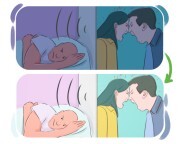
to allow the presence of an unpleasant person, thing, or situation without complaining or giving up
znosić, tolerować
Nie mógł znieść myśli o konieczności zniesienia kolejnego nudnego spotkania.

to want to know about something particular
zastanawiać się, rozmyślać

to spend time to learn about certain subjects by reading books, going to school, etc.
uczyć się
Spędza godziny każdego dnia na nauce do nadchodzących egzaminów.
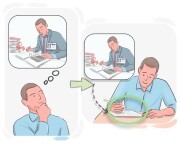
to formally request something, such as a place at a university, a job, etc.
składać podanie, aplikować
Studenci często aplikują do wielu uniwersytetów, aby zwiększyć swoje szanse na przyjęcie.
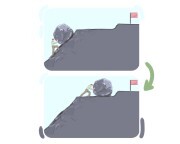
to do something difficult successfully
zarządzać, dawać sobie radę
Czy udało mu się w końcu znaleźć rozwiązanie problemu?
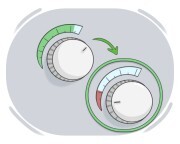
to make something smaller in amount, degree, price, etc.
zmniejszać, redukować
Firma postanowiła obniżyć ceny swoich produktów, aby przyciągnąć więcej klientów.

to adjust oneself to fit into a new environment or situation
dostosować się, przystosować się
Po przeprowadzce za granicę musiał szybko dostosować się do lokalnej kultury.
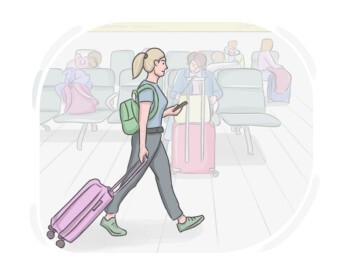
to go from one location to another, particularly to a far location
podróżować, przemieszczać się
Jesteśmy podekscytowani podróżą na ślub naszego przyjaciela w innym stanie.

to give a name to something or someone
nazwać, imienować
Rodzice często starannie nazywają swoje dzieci po rozważeniu różnych czynników.

to mention an idea, proposition, plan, etc. for further consideration or possible action
sugerować, proponować
Komitet zaproponował zmiany w celu poprawy efektywności procesu.
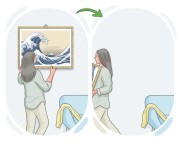
to take something away from a position
usunąć, wyjąć
Usunął stare meble z salonu, aby zrobić miejsce dla nowej sofy.
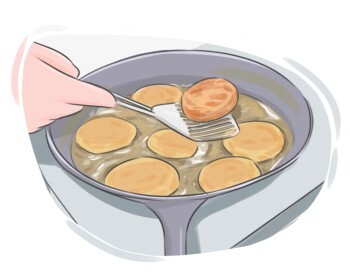
to make food with heat
gotować, przygotowywać jedzenie
Oni gotują naleśniki na kuchence.
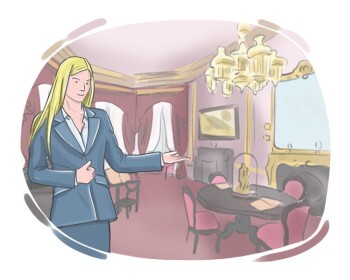
to meet and greet someone who has just arrived
witać, przyjmować
Przewodnik powitał turystów w holu hotelu.

to make a person or thing better
poprawiać, udoskonalać
Nowa aktualizacja oprogramowania ma na celu poprawę wydajności i doświadczenia użytkownika.

to have power over a person, company, country, etc. and to decide how things should be done
kontrolować, rządzić
Prezes starał się kontrolować strategiczny kierunek firmy.
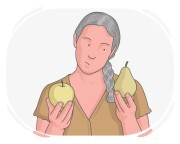
to examine or look for the differences between of two or more objects
porównywać, zestawiać
Dosłownie spędziła godzinę na porównywaniu cen przed dokonaniem zakupu.
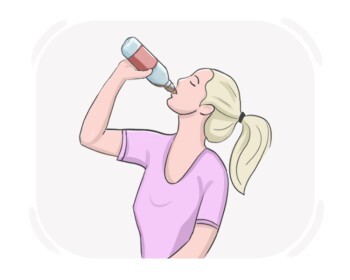
to put water, coffee, or other type of liquid inside of our body through our mouth
pić
Woli pić gorącą czekoladę zimą, a nie latem.
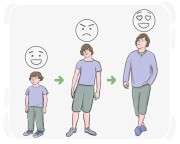
to personally be involved in and understand a particular situation, event, etc.
doświadczać, przeżywać
Podróżowanie do nowego kraju pozwala doświadczyć różnych kultur.
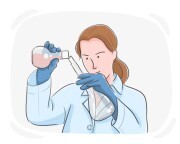
to take actions to check the quality, reliability, or performance of something
testować, sprawdzać
Szef kuchni będzie testować różne przepisy, aby znaleźć idealną kombinację smaków.

to hold someone or something and take them from one place to another
nosić, przenosić
Torba na zakupy była ciężka, ponieważ musiała przenieść zakupy dla całej rodziny.

to go or come back to a person or place
wracać, powrócić
Po długich wakacjach czas wrócić do domu.
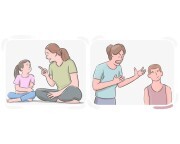
to deal with or behave toward someone or something in a particular way
traktować, zachowywać się wobec
Zawsze traktuje swoich przyjaciół z życzliwością i szacunkiem.
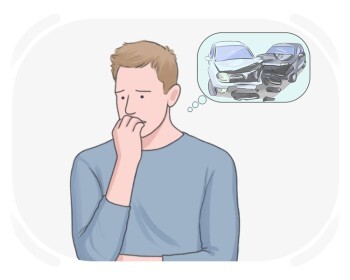
to feel upset and nervous because we think about bad things that might happen to us or our problems
martwić się, niepokoić się
Staraj się nie martwić zbytnio; wszystko się ułoży.
