pattern

책 Total English - 고급 - 유닛 1 - 참조

여기에서는 Total English Advanced 교과서의 Unit 1 - Reference에서 "daunt", "attitude", "positive" 등의 어휘를 찾을 수 있습니다.

리뷰

플래시카드

형태

철자법

퀴즈

학습 시작
Total English - Advanced
achievable
achievable
[형용사]

able to be carried out or obtained without much difficulty

달성 가능한, 실현 가능한

달성 가능한, 실현 가능한

Ex: Regular practice makes fluency in a new language achievable. 

규칙적인 연습은 새로운 언어의 유창함을 달성 가능하게 만듭니다.

닫기
로그인
goal
goal
[명사]

our purpose or desired result

목표, 목적

목표, 목적

Ex: My main goal is to improve my English. 
닫기
로그인
to face
to face
[동사]

to deal with a given situation, especially an unpleasant one

직면하다,  대처하다
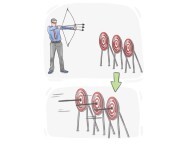
직면하다, 대처하다

Ex: We must face the problem before it gets worse. 
닫기
로그인
to [rise] to the (occasion|challenge)

to demonstrate one's ability in surpassing obstacles and dealing with difficult situations

어려운 상황에서 제 몫을 해내다, 위기에 능력을 발휘하다

어려운 상황에서 제 몫을 해내다, 위기에 능력을 발휘하다

Ex: In a crisis, good leaders rise to the occasion. 

위기 속에서 좋은 리더는 어려운 상황에서 제 몫을 해낸다.

닫기
로그인
to [come] true

to become a reality or be realized, typically in reference to a previously hoped for or desired outcome

Ex: Winning the lottery allowed his financial dreams to come true. 
닫기
로그인
ambition
ambition
[명사]

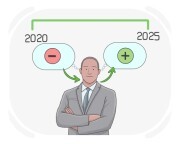
something that a person strongly wants to achieve

야망, 포부
야망, 포부

Ex: Daniel finally achieved his childhood ambition of becoming a pilot. 
닫기
로그인
attitude
attitude
[명사]

the typical way a person thinks or feels about something or someone, often affecting their behavior and decisions

태도,  사고방식

태도, 사고방식

Ex: Her positive attitude toward challenges helped her overcome obstacles. 
닫기
로그인
to daunt
to daunt
[동사]

to cause a person to feel scared or unconfident

위축시키다, 겁주다

위축시키다, 겁주다

Ex: Despite her determination, the complexity of the task daunted the student, causing her to doubt her abilities. 

그녀의 결의에도 불구하고, 과제의 복잡성은 학생을 위축시켰고, 그녀가 자신의 능력을 의심하게 만들었다.

닫기
로그인
to pick up
to pick up
[동사]

to acquire a new skill or language through practice and application rather than formal instruction

습득하다, 실천을 통해 배우다

습득하다, 실천을 통해 배우다

Ex: She never took a painting class but picked up the skill from watching online tutorials. 

그녀는 그림 수업을 받은 적이 없지만 온라인 튜토리얼을 보면서 그 기술을 배웠다.

닫기
로그인
to [let] {sth} slide

to intentionally not take action or not address an issue or problem, especially when one should have, often resulting in a negative consequence
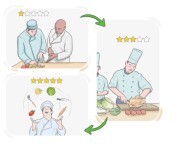
Ex: She used to be strict but now lets things slide at work. 
닫기
로그인
to master
to master
[동사]

to learn to perform or use a skill or ability thoroughly and completely

숙달하다, 통달하다

숙달하다, 통달하다

Ex: The chef took years to master the art of making delicate pastries. 
닫기
로그인
to garble
to garble
[동사]

to mix up, distort, or confuse information, typically in a way that makes it difficult to understand or use

혼동하다, 왜곡하다

혼동하다, 왜곡하다

Ex: The translation software garbled the original text, producing nonsensical results. 

번역 소프트웨어가 원본 텍스트를 혼동하여 무의미한 결과를 생성했습니다.

닫기
로그인
overload
overload
[명사]

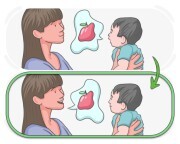
an excessive amount of something that exceeds normal limits or capacity

과부하, 과잉

과부하, 과잉

Ex: There was an overload of applications for the job, making the selection process extremely competitive. 

그 일자리에 대한 지원서가 과부하 상태여서 선발 과정이 매우 경쟁적이 되었습니다.
닫기
로그인
to babble
to babble
[동사]

to make random, meaningless sounds

옹알거리다, 중얼거리다

옹알거리다, 중얼거리다

Ex: The malfunctioning robot started to babble, indicating a technical glitch. 

고장난 로봇이 중얼거리기 시작했는데, 이는 기술적 결함을 나타냅니다.

닫기
로그인
unintelligibly

difficult or impossible to understand or comprehend due to lacking clarity in speech, writing, or communication

이해할 수 없을 정도로, 불분명하게

이해할 수 없을 정도로, 불분명하게

Ex: The speaker rushed through his presentation, speaking unintelligibly. 

발표자는 그의 프레젠테이션을 서두르며, 이해할 수 없는 방식으로 말했다.

닫기
로그인
dialect
dialect
[명사]

the spoken form of a language specific to a certain region or people which is slightly different from the standard form in words and grammar

방언, 사투리

방언, 사투리

Ex: Social dialects, such as sociolects and ethnolects, can be influenced by factors such as social class, ethnicity, or education level. 

사회적 방언, 예를 들어 사회방언과 민족방언은 사회 계층, 민족성 또는 교육 수준과 같은 요인에 의해 영향을 받을 수 있습니다.

닫기
로그인
clue
clue
[명사]

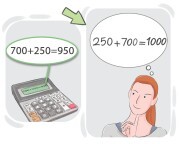
a sign, fact, or piece of information that helps someone discover the answer to a problem, mystery, or question

단서
단서

Ex: Her unusual silence gave me a clue that something was wrong. 
닫기
로그인
off the top of {one's} head

from one's memory, without spending time to carefully consider or think

기억나는 바로는, 확인해 보지 않고는

기억나는 바로는, 확인해 보지 않고는

Ex: Can you name three clients off the top of your head? 

확인하지 않고 고객 세 곳을 말할 수 있어요?

닫기
로그인
to hear of
to hear of
[동사]

to know about somebody or something because one has received information or news about them

들어보다, 알게 되다

들어보다, 알게 되다

Ex: The last I heard of him, he had moved to New York and started a new job. 

그에 대해 마지막으로 들은 것은 그가 뉴욕으로 이사하고 새로운 직장을 시작했다는 것이었습니다.

닫기
로그인
by heart

by relying only on one's memory

Ex: The actor memorized his lines by heart. 
닫기
로그인
to [know] {sth} like the back of {one's} hand

to be well-informed about or completely familiar with something

손바닥 보듯 훤히 알다, 속속들이 알다

손바닥 보듯 훤히 알다, 속속들이 알다

Ex: After working here for fifteen years, I know the routine like the back of my hand. 

여기서 15년 일하다 보니 이 일과는 손바닥 보듯 훤히 안다.

닫기
로그인
to [know] {sb/sth} inside out

to have very good knowledge or understanding about someone or something

속속들이 알다, 훤히 꿰다

속속들이 알다, 훤히 꿰다

Ex: Tom knows the software inside out and can fix almost any bug. 

톰은 그 소프트웨어를 속속들이 알아서 거의 어떤 버그든 고칠 수 있다.

닫기
로그인
offhand
offhand
[부사]

without any preparation or prior thought

즉흥적으로, 준비 없이

즉흥적으로, 준비 없이

Ex: She gave an offhand excuse for being late, not explaining the real reason. 

그녀는 늦은 이유에 대해 즉흥적인 변명을 했고, 진짜 이유는 설명하지 않았다.

닫기
로그인
next to nothing

to a degree that is very little and close to nothing
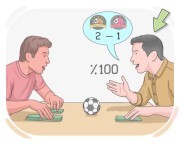
Ex: His knowledge of the subject is next to nothing; he needs to study more. 
닫기
로그인
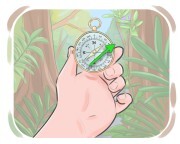
positive
positive
[형용사]

(of a person) having no doubt about something

확신하는, 확실한
확신하는, 확실한

Ex: I'm positive we've met before. 
닫기
로그인
to head
to head
[동사]

to move toward a particular direction

향하다, 가다

향하다, 가다

Ex: We headed home after dinner. 
닫기
로그인
to pursue
to pursue
[동사]

to go after someone or something, particularly to catch them

추적하다, 따라가다

추적하다, 따라가다

Ex: The police pursued the suspect through the city streets. 
닫기
로그인
to deal with
to deal with
[동사]

to take the necessary action regarding someone or something specific

다루다, 처리하다

다루다, 처리하다

Ex: We must deal with these problems as soon as possible. 

우리는 이러한 문제들을 가능한 한 빨리 처리해야 합니다.

닫기
로그인
to believe in

to firmly trust in the goodness or value of something

어떤 것의 가치나 선함을 믿다, 어떤 것이 좋거나 가치 있다고 굳게 믿다

어떤 것의 가치나 선함을 믿다, 어떤 것이 좋거나 가치 있다고 굳게 믿다

Ex: He doesn't believe in the imposition of strict dress codes in schools. 

그는 학교에서 엄격한 복장 규정의 도입을 믿지 않는다.

닫기
로그인
potential
potential
[명사]

the inherent capability or ability to develop, achieve, or succeed in the future

잠재력, 능력

잠재력, 능력

Ex: With hard work and dedication, he realized his full potential and achieved his dreams. 
닫기
로그인
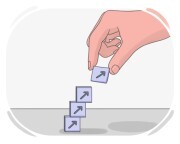
to persevere
to persevere
[동사]

to continue a course of action, especially in the face of difficulty or with little or no prospect of success

견디다, 계속하다

견디다, 계속하다

Ex: After multiple setbacks, the team resolved to persevere in their quest for the championship title. 

여러 번의 좌절 끝에, 팀은 챔피언십 타이틀을 위한 그들의 탐구에서 인내하기로 결심했다.
닫기
로그인
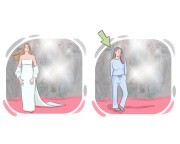
to keep
to keep
[동사]

to do something many times or continue doing something

계속하다, 유지하다
계속하다, 유지하다

Ex: She kept asking the same question. 
닫기
로그인
unfit
unfit
[형용사]

not suitable or capable enough for a specific task or purpose

부적합한, 부적절한

부적합한, 부적절한

Ex: His outdated computer was unfit for running the latest software programs. 

그의 구식 컴퓨터는 최신 소프트웨어 프로그램을 실행하기에 부적합했습니다.

닫기
로그인
multi-
multi-
[접두사]

used to denote a multitude or variety of something

다중, 다양한

다중, 다양한

Ex: His new job requires multitasking, handling several tasks at once. 

그의 새로운 직업은 멀티태스킹, 한 번에 여러 작업을 처리하는 것을 요구합니다.

닫기
로그인
under-
under-
[접두사]

used to indicate a position lower than or beneath something else

아래-, 서브-

아래-, 서브-

Ex: Dust had collected along the undercarriage of the old car. 

먼지가 오래된 차의 아래쪽을 따라 쌓여 있었다.

닫기
로그인
mono-
mono-
[접두사]

used to form words that relate to concepts or entities that are singular or alone

모노-, 단-

모노-, 단-

Ex: Many cultures value monogamy as the standard form of marriage. 

많은 문화에서 모노가미를 결혼의 표준 형태로 여깁니다.

닫기
로그인
over-
over-
[접두사]

used to signify more than what is needed or considered appropriate

과, 하이퍼

과, 하이퍼

Ex: The meat became overcooked after another ten minutes. 
닫기
로그인
out-
out-
[접두사]

used to form verbs meaning to exceed or outperform

뛰어넘는-, 능가하는-

뛰어넘는-, 능가하는-

Ex: That company aims to outsell its competitors this quarter. 

그 회사는 이번 분기에 경쟁사를 능가하는 것을 목표로 합니다.

닫기
로그인
arch-
arch-
[접두사]

indicating the most important, highest-ranking, principal, or an extreme example of the person or thing named

대-

대-

Ex: The prefix appears in the title archduke. 
닫기
로그인
mis-
mis-
[접두사]

used to imply an incorrect or mistaken action, or a negative or unfavorable outcome

잘못된, 나쁜

잘못된, 나쁜

닫기
로그인
ir-
ir-
[접두사]

used to indicate the opposite or absence of something

비, 불

비, 불

Ex: The movie was irrelevant to the topic we were discussing. 

그 영화는 우리가 논의하고 있던 주제와 ir 관련이 없었다.

닫기
로그인
sub-
sub-
[접두사]

used to imply a position or status that is lower or beneath something else

아래, 서브

아래, 서브

Ex: He was demoted to a subordinate role within the company. 

그는 회사 내 하위 역할로 강등되었습니다.

닫기
로그인
super-
super-
[접두사]

situated above, over, or beyond what the base word denotes

초-,  상-

초-, 상-

Ex: The prefix super- in superjacent means situated above. 
닫기
로그인
LanGeek
LanGeek 앱 다운로드