
Книга Total English - Продвинутый - Раздел 1 - Справка
Здесь вы найдете словарь из Раздела 1 - Ссылка в учебнике Total English Advanced, такие как "daunt", "attitude", "positive" и т.д.
Обзор
Флэш-карточки
формы
Правописание
Тест


able to be carried out or obtained without much difficulty

достижимый
Регулярная практика делает беглость в новом языке достижимой.

our purpose or desired result
цель
Ее цель — стать успешным предпринимателем и начать собственный бизнес.
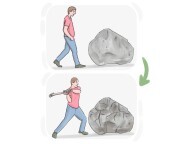
to deal with a given situation, especially an unpleasant one
сталкиваться
![to [rise] to the (occasion|challenge)](https://cdn.langeek.co/photo/43080/thumb/350?type=jpeg "to [rise] to the (occasion|challenge)")
to demonstrate one's ability in surpassing obstacles and dealing with difficult situations
оказаться на высоте, справиться с вызовом
Когда менеджер внезапно уволился, Майя оказалась на высоте и повела команду за собой.
![to [come] true](/assets/img/no-pic-700w.png "to [come] true")
to become a reality or be realized, typically in reference to a previously hoped for or desired outcome
стать реальностью, осуществиться
something that is greatly desired
амбиция
Её амбиция состояла в том, чтобы написать роман и поделиться своей историей с миром.
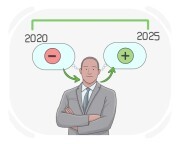
the typical way a person thinks or feels about something or someone, often affecting their behavior and decisions
отношение
Её позитивное отношение к вызовам помогло ей преодолеть препятствия и достичь своих целей.

to cause a person to feel scared or unconfident
пугать
Его первоначальные неудачи не испугали его; он просто рассматривал их как опыт обучения.
to acquire a new skill or language through practice and application rather than formal instruction
подхватить
Он подобрал немного итальянского, путешествуя по Италии.
to intentionally not take action or not address an issue or problem, especially when one should have, often resulting in a negative consequence
Не предпринимать никаких действий для исправления
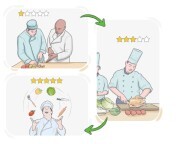
to learn to perform or use a skill or ability thoroughly and completely
овладевать
Шеф-повар потратил время на то, чтобы овладеть искусством создания сложных десертов.
to mix up, distort, or confuse information, typically in a way that makes it difficult to understand or use
искажать факты
Плохое телефонное соединение исказило его сообщение, сделав его невозможным для понимания.
an excessive amount of something that exceeds normal limits or capacity
перегрузка, избыток
Перегрузка информации в интернете может затруднить поиск надежных источников.
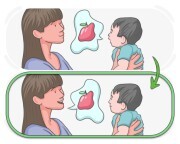
to make random, meaningless sounds
пузыриться
Младенец лепетал счастливо, создавая поток милых, но непонятных звуков.
difficult or impossible to understand or comprehend due to lacking clarity in speech, writing, or communication
неразборчиво
Он говорил настолько непонятно, что никто не мог понять его аргумент.

the spoken form of a language specific to a certain region or people which is slightly different from the standard form in words and grammar
диалект
Диалект — это разновидность языка, на котором говорит определенная группа людей, характеризующаяся уникальным словарным запасом, грамматикой и произношением.
a piece of evidence that leads someone toward the solution of a crime or problem
ключ
Детектив нашел зацепку на месте преступления—отпечаток пальца на окне.
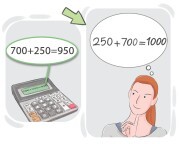
from one's memory, without spending time to carefully consider or think
насколько я помню, не проверяя
Насколько я помню, на встрече было около сорока человек.

to know about somebody or something because one has received information or news about them
услышать
Вы слышали о недавнем слиянии компаний? Это на первых полосах.
![to [know] {sth} like the back of {one's} hand](https://cdn.langeek.co/photo/44754/thumb/350?type=jpeg "to [know] {sth} like the back of {one's} hand")
to be well-informed about or completely familiar with something
знать как свои пять пальцев, знать вдоль и поперёк
Она знает этот район как свои пять пальцев.
to have very good knowledge or understanding about someone or something
знать вдоль и поперёк, знать как свои пять пальцев
Она знает компанию вдоль и поперёк, поэтому быстро заметит любую проблему.
without any preparation or prior thought
на скорую руку
Предложение было сделано наспех, без учета его последствий.
to a degree that is very little and close to nothing
очень мало

(of a person) having no doubt about something
уверенный
Она была уверена, что оставила свои ключи на кухонной столешнице.

to move toward a particular direction
направляться, идти

to go after someone or something, particularly to catch them
преследовать
Полицейский преследовал speeding car, подавая сигнал остановиться.
to take the necessary action regarding someone or something specific
разобраться
Как учитель, она должна иметь дело с различными поведением учеников.

to firmly trust in the goodness or value of something
верить в
Он не верит в введение строгих дресс-кодов в школах.
the inherent capability or ability to develop, achieve, or succeed in the future
потенциал
У нее есть потенциал стать великим лидером при правильном руководстве.

to continue a course of action, especially in the face of difficulty or with little or no prospect of success
упорно продолжать
Он научился упорствовать с трудными математическими задачами, зная, что практика была необходима.
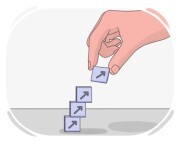
to do something many times or continue doing something
продолжать

not suitable or capable enough for a specific task or purpose
непригодный, неспособный
Его устаревший компьютер был непригоден для запуска последних программных обеспечений.
used to denote a multitude or variety of something
мульти, поли
Компания работает в нескольких странах по всему миру.
used to indicate a position lower than or beneath something else
под-, суб-
Она аккуратно сложила свое нижнее белье в чемодан.
used to form words that relate to concepts or entities that are singular or alone
моно-, уни-
Город построил монорельс, чтобы уменьшить пробки.
used to signify more than what is needed or considered appropriate
сверх, гипер
used to form verbs meaning to exceed or outperform
превосходить-, переигрывать-
Команда аутсайдеров сумела переиграть чемпионов в каждой четверти.
used to intensify or elevate the meaning of the word, making it more prominent or significant
архи-, супер-
У него есть заклятый враг, который годами пытается его победить.
used to imply an incorrect or mistaken action, or a negative or unfavorable outcome
не, ошибочно
used to indicate the opposite or absence of something
ир, ин
Идея возвращения к старой системе казалась команде иррациональной.
