pattern

책 Insight - 초중급 - 단원 6 - 6A - 파트 2

여기에서는 Insight Pre-Intermediate 교과서의 유닛 6 - 6A - 파트 2의 어휘를 찾을 수 있습니다. 예를 들어 "추방하다", "비도덕적인", "구금" 등입니다.

리뷰

플래시카드

형태

철자법

퀴즈
학습 시작
Insight - Pre-Intermediate
unfortunate
unfortunate
[형용사]

experiencing bad luck or having something unpleasant happen

불행한, 불운한
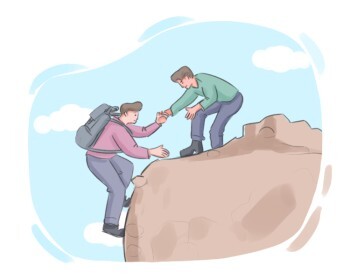
불행한, 불운한

Ex: Several unfortunate families lost their homes in the fire. 
닫기
로그인
helpful
helpful
[형용사]

offering assistance or support, making tasks easier or problems more manageable for others

도움이 되는, 도움을 주는

도움이 되는, 도움을 주는

Ex: His helpful advice made the project much easier to complete. 

그의 도움이 되는 조언으로 프로젝트를 훨씬 쉽게 완료할 수 있었다.

닫기
로그인
unhelpful
unhelpful
[형용사]

not providing any assistance in making a situation better or easier

도움이 되지 않는, 쓸모없는

도움이 되지 않는, 쓸모없는

Ex: The unhelpful attitude of the customer service representative frustrated the customers even more. 

고객 서비스 담당자의 도움이 되지 않는 태도는 고객들을 더욱 좌절시켰다.
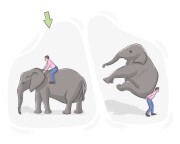
닫기
로그인
logical
logical
[형용사]

based on sound reasoning or consistent with the principles of logic

논리적인,  합리적인

논리적인, 합리적인

Ex: His conclusion seemed logical based on the evidence available. 
닫기
로그인
unlogical
unlogical
[형용사]

lacking sense or reason

비논리적인, 불합리한

비논리적인, 불합리한

Ex: The rule was unlogical and made no sense. 

그 규칙은 비논리적이었고 말이 되지 않았다.

닫기
로그인
moral
moral
[형용사]

concerned with right and wrong behavior

도덕적인, 윤리적인
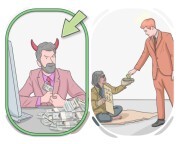
도덕적인, 윤리적인

Ex: Teaching children moral values is important for their development. 
닫기
로그인
immoral
immoral
[형용사]

acting in a way that goes against accepted moral standards or principles

부도덕한, 도덕에 어긋나는

부도덕한, 도덕에 어긋나는

Ex: The politician's immoral behavior scandalized the public and damaged trust in the government. 

정치인의 부도덕한 행동은 대중을 충격에 빠뜨렸고 정부에 대한 신뢰를 훼손했습니다.

닫기
로그인
practical
practical
[형용사]

focused on actions and real-life use, rather than on just ideas or theories

실용적인, 기능적인

실용적인, 기능적인

Ex: Students gain practical experience by working with real clients. 
닫기
로그인
impractical
impractical
[형용사]

impossible to do or achieve

비실용적인, 달성 불가능한

비실용적인, 달성 불가능한

Ex: His plan to swim across the ocean is highly impractical. 

그가 바다를 수영으로 건너려는 계획은 매우 비현실적입니다.

닫기
로그인
regular
regular
[형용사]

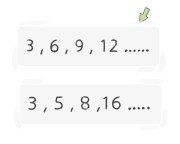
following a pattern, especially one with fixed or uniform intervals

규칙적인, 일반적인
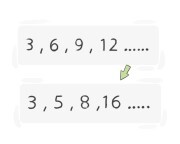
규칙적인, 일반적인

Ex: The buses run at regular intervals throughout the day. 
닫기
로그인
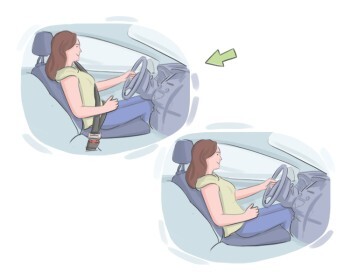
irregular
irregular
[형용사]

not conforming to established rules, patterns, or norms

불규칙한, 비정상적인

불규칙한, 비정상적인

Ex: Her irregular speech pattern puzzled her colleagues, who found it difficult to understand her. 

그녀의 불규칙한 말투는 그녀를 이해하기 어려웠던 동료들을 당황하게 했다.
닫기
로그인
safe
safe
[형용사]

protected from any danger

안전한, 보호받는

안전한, 보호받는

Ex: The children are quite safe here with their parents nearby. 
닫기
로그인
unsafe
unsafe
[형용사]

having a high degree of risk or danger

위험한, 고위험의

위험한, 고위험의

Ex: The old minefield was marked as an unsafe area due to the risk of unexploded devices. 

오래된 지뢰밭은 터지지 않은 장치의 위험으로 인해 안전하지 않은 지역으로 표시되었습니다.

닫기
로그인
surprising
surprising
[형용사]

causing a feeling of shock, disbelief, or wonder

놀라운, 깜짝 놀랄 만한

놀라운, 깜짝 놀랄 만한

Ex: The surprising kindness of strangers made her day. 

낯선 사람들의 놀라운 친절이 그녀의 하루를 만들었다.

닫기
로그인
unsurprising
unsurprising
[형용사]

not causing surprise or unexpectedness, usually because it was already known or predicted

놀랍지 않은, 예상된

놀랍지 않은, 예상된

Ex: The outcome was unsurprising, given how everything had been progressing. 

모든 것이 어떻게 진행되었는지 고려할 때 결과는 놀랍지 않았습니다.

닫기
로그인
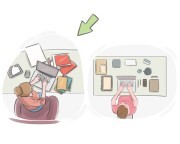
tidy
tidy
[형용사]

neat, clean, and arranged with everything in its proper place

정돈된,  깔끔한
정돈된, 깔끔한

Ex: Daniel left the kitchen tidy after making dinner. 
닫기
로그인
untidy
untidy
[형용사]

not properly organized or cared for

어수선한, 정리되지 않은

어수선한, 정리되지 않은

Ex: His handwriting was so untidy that it was hard to read. 

그의 필체는 너무 지저분해서 읽기 어려웠다.

닫기
로그인
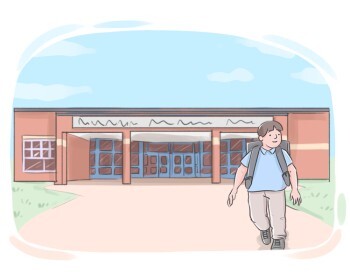
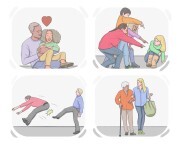
school
school
[명사]

a place where children learn things from teachers

학교, 교육 기관
학교, 교육 기관

Ex: The children walk to school every morning. 
닫기
로그인
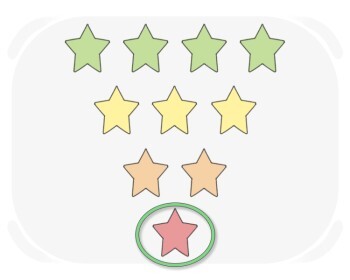
bad
bad
[형용사]

having a quality that is not satisfying

나쁜, 형편없는
나쁜, 형편없는

Ex: The food at the restaurant was really bad. 
닫기
로그인
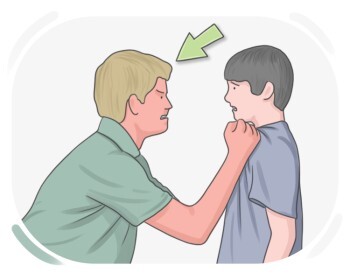
behavior
behavior
[명사]

the way that someone acts, particularly in the presence of others

행동, 행실
행동, 행실

Ex: The teacher praised the students for their good behavior. 
닫기
로그인
bully
bully
[명사]

a person who likes to threaten, scare, or hurt others, particularly people who are weaker

깡패, 불량배

깡패, 불량배

Ex: Teachers must address cases of bullying by identifying the bully. 

교사는 괴롭히는 사람을 식별하여 괴롭힘 사례를 해결해야 합니다.

닫기
로그인
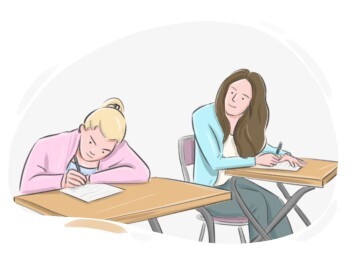
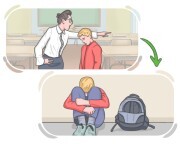
to cheat
to cheat
[동사]

to win or gain an advantage in a game, competition, etc. by breaking rules or acting unfairly

속이다, 부정행위를 하다

속이다, 부정행위를 하다

Ex: The team is cheating in the game by communicating with each other through secret signals. 

팀은 비밀 신호를 통해 서로 의사 소통하면서 게임에서 속임수를 쓰고 있습니다.
닫기
로그인
to expel
to expel
[동사]

to force someone to leave a place, organization, etc.

추방하다, 제명하다

추방하다, 제명하다

Ex: The teacher has the authority to expel disruptive students from the classroom. 

교사는 교실에서 방해가 되는 학생들을 퇴출시킬 권한이 있습니다.

닫기
로그인
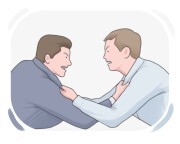
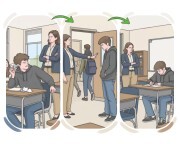
to fight
to fight
[동사]

to take part in a violent physical action against someone

싸우다, 전투하다
싸우다, 전투하다

Ex: The soldiers fought on the front lines during the war. 
닫기
로그인
detention
detention
[명사]

a type of punishment for students who have done something wrong and as a result, they cannot go home at the same time as others

벌, 감금

벌, 감금

Ex: She spent her detention time completing assignments in the classroom. 
닫기
로그인
warning
warning
[명사]

a message or sign given to someone to indicate that something dangerous, harmful, or undesirable may happen

경고,  경보

경고, 경보

Ex: The sign gives a clear warning about the danger ahead. 
닫기
로그인
to [play] truant

to skip school or work without permission or without a valid reason

Ex: She has played truant three times this month. 
닫기
로그인
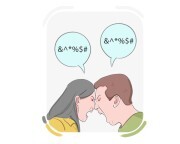
to suspend
to suspend
[동사]

to temporarily prevent someone from attending a school, holding a position, or taking part in an activity as a punishment

정학시키다,  일시적으로 배제하다
정학시키다, 일시적으로 배제하다

Ex: The company suspended the employee while it investigated the complaint. 
닫기
로그인
to swear
to swear
[동사]

to use rude or offensive words, especially when angry or upset

욕하다

욕하다

Ex: She swore loudly after dropping the box on her foot. 
닫기
로그인
to vandalize
to vandalize
[동사]

to intentionally damage something, particularly public property

파괴하다, 고의로 손상시키다

파괴하다, 고의로 손상시키다

Ex: Schools implemented security measures to prevent students from vandalizing facilities. 

학교는 학생들이 시설을 파괴하는 것을 방지하기 위해 보안 조치를 시행했습니다.
닫기
로그인
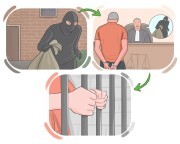
punishment
punishment
[명사]

the act or process of making someone suffer a consequence for wrongdoing

처벌,  징벌
처벌, 징벌

Ex: The law allows punishment for anyone convicted of the offense. 
닫기
로그인
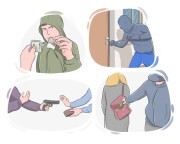
crime
crime
[명사]

an unlawful act that is punishable by the legal system

범죄,  죄
범죄, 죄

Ex: Theft is a crime in every state. 
닫기
로그인
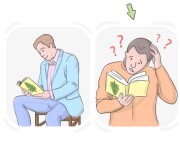
illiterate
illiterate
[형용사]

lacking the ability to read and write in any language

문맹의, 무학의

문맹의, 무학의

Ex: Literacy programs aim to reduce illiteracy by teaching basic reading and writing skills to illiterate populations. 

문해 프로그램은 문맹 인구에게 기본적인 읽기와 쓰기 기술을 가르쳐 문맹을 줄이는 것을 목표로 합니다.

닫기
로그인
fortunate
fortunate
[형용사]

experiencing good luck or favorable circumstances

운이 좋은, 행복한

운이 좋은, 행복한

Ex: Their fortunate discovery of a hidden treasure changed their lives. 

숨겨진 보물에 대한 그들의 운 좋은 발견은 그들의 삶을 바꿨다.

닫기
로그인
LanGeek
LanGeek 앱 다운로드