pattern

ACT 시험 문해력 - 부정적 및 중립적 태도

의심, 무관심, 꺼림, 비판, 의심, 초연함, 열의 부족을 포함한 부정적이고 중립적인 태도에 대한 ACT 어휘를 배우세요.

리뷰

플래시카드

형태

철자법

퀴즈

학습 시작
Essential Vocabulary for ACT
indignation
indignation
[명사]

a feeling of anger or annoyance aroused by something unjust, unworthy, or mean

분개, 분노

분개, 분노

Ex: The community's indignation grew as the scandal unfolded. 

스캔들이 전개되면서 커뮤니티의 분노가 커졌다.

닫기
로그인
skepticism
skepticism
[명사]

a doubting or questioning attitude towards ideas, beliefs, or claims that are generally accepted

회의론

회의론

Ex: Despite the company's assurances, there was widespread skepticism among the employees about the new policy. 

회사의 보장에도 불구하고, 직원들 사이에서 새로운 정책에 대한 광범위한 회의론이 있었습니다.

닫기
로그인
cynicism
cynicism
[명사]

a doubtful view toward others' honesty or intentions

냉소주의, 회의주의

냉소주의, 회의주의

Ex: Cynicism often leads individuals to question the sincerity of others' actions, suspecting that ulterior motives drive even the most seemingly altruistic behaviors. 

냉소주의는 종종 개인들이 다른 사람들의 행동의 진실성을 의심하게 만들며, 가장 이타적으로 보이는 행동조차도 숨겨진 동기에 의해 움직인다고 의심하게 합니다.

닫기
로그인
complacency
complacency
[명사]

a feeling of self-satisfaction or contentment, often accompanied by a lack of awareness of potential dangers

자기 만족, 만족감

자기 만족, 만족감

Ex: She warned against complacency, urging her colleagues to stay vigilant and proactive. 

그녀는 자기만족에 대해 경고하며 동료들에게 경계하고 적극적으로 행동할 것을 촉구했다.

닫기
로그인
contempt
contempt
[명사]

the disregard and lack of respect for someone or something seen as insignificant or unworthy

경멸, 멸시

경멸, 멸시

Ex: The politician’s contempt for his opponents was clear during the debate. 

정치인의 반대자들에 대한 경멸은 토론 중에 분명했다.

닫기
로그인
disdain
disdain
[명사]

the feeling that someone or something is not worthy of respect or consideration

경멸, 멸시

경멸, 멸시

닫기
로그인
resentment
resentment
[명사]

a lasting feeling of anger or bitterness because of unfair treatment

분노, 원한

분노, 원한

Ex: Years of resentment grew between the two brothers. 

두 형제 사이에 수년간의 원한이 쌓였다.

닫기
로그인
mania
mania
[명사]

an intense enthusiasm or obsession for something, often to an excessive or uncontrollable degree

광적인 열정,  집착

광적인 열정, 집착

Ex: The artist's mania for perfection was evident in every detail of his work. 

그 예술가의 완벽함에 대한 광적인 열정은 그의 작품의 모든 세부 사항에서 분명했다.

닫기
로그인
brazen
brazen
[형용사]

behaving without shame or fear and refusing to follow traditional rules or manners

뻔뻔한, 건방진

뻔뻔한, 건방진

Ex: Despite the criticism, the politician remained brazen, continuing to make controversial statements without hesitation. 

비판에도 불구하고, 그 정치인은 뻔뻔하게 남아, 주저하지 않고 논란이 되는 발언을 계속했다.

닫기
로그인
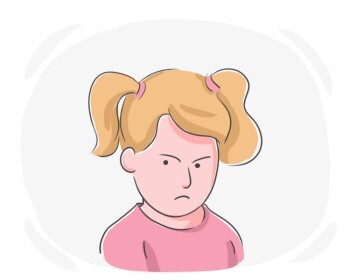
morose
morose
[형용사]

having a sullen, gloomy, or pessimistic disposition

우울한, 비관적인

우울한, 비관적인

Ex: Her morose expression hinted at the challenges she was facing in her personal life. 

그녀의 우울한 표정은 그녀의 개인적인 삶에서 직면한 도전을 암시했다.
닫기
로그인
sullen
sullen
[형용사]

bad-tempered, gloomy, and usually silent

울적한, 침울한

울적한, 침울한

Ex: She greeted his cheerful "good morning" with a sullen nod, still upset about their argument the night before. 

그녀는 전날 밤의 말다툼으로 여전히 화가 나서, 그의 쾌활한 "좋은 아침"에 침울한 고개 끄덕임으로 답했다.

닫기
로그인
mercurial
mercurial
[형용사]

prone to unpredicted and sudden changes

변덕스러운, 변화无常한

변덕스러운, 변화无常한

Ex: The weather in the region is known for being mercurial, shifting rapidly. 

이 지역의 날씨는 변덕스러운 것으로 알려져 있어 빠르게 변합니다.

닫기
로그인
sheepish
sheepish
[형용사]

showing a lack of confidence or courage in an awkward way

수줍은, 당황한

수줍은, 당황한

Ex: She felt sheepish during the interview, stumbling over her words and avoiding eye contact. 

그녀는 면접 중 당황스러움을 느꼈고, 말을 더듬으며 눈 접촉을 피했습니다.

닫기
로그인
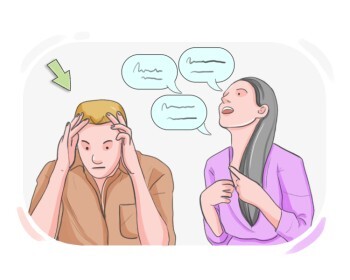
resignedly
resignedly
[부사]

in a manner that shows acceptance of something undesirable or unavoidable without protest

체념하며, 순종적으로

체념하며, 순종적으로

Ex: The team accepted the defeat resignedly, understanding that they had done their best. 

팀은 그들이 최선을 다했다는 것을 이해하며 패배를 체념하며 받아들였습니다.
닫기
로그인
withdrawn
withdrawn
[형용사]

(of a person) unwilling to talk to other people or participate in social events

내성적인,  과묵한

내성적인, 과묵한

Ex: His withdrawn behavior worried his friends, who tried to encourage him to join them more often. 

그의 내성적인 행동은 친구들을 걱정시켰고, 그들은 그를 더 자주 함께하도록 격려하려고 했다.

닫기
로그인
prone
prone
[형용사]

having a tendency or inclination toward something

경향이 있는, 하기 쉬운

경향이 있는, 하기 쉬운

Ex: Athletes are often prone to injuries due to intense training. 

운동선수들은 강도 높은 훈련으로 인해 부상을 받기 쉬운 경향이 있습니다.

닫기
로그인
apt
apt
[형용사]

having a natural tendency toward something

경향이 있는, 쉽게

경향이 있는, 쉽게

Ex: Children are apt to mimic the behaviors they observe in adults. 

어린이들은 어른들에게서 관찰한 행동을 따라 하려는 경향이 있다.

닫기
로그인
apathy
apathy
[명사]

a general lack of interest, concern, or enthusiasm toward things in life

무관심, 냉담

무관심, 냉담

Ex: Her apathy towards the company's goals and objectives was reflected in her lackluster performance at work. 

회사의 목표와 목적에 대한 그녀의 무관심은 직장에서의 평범한 성과에 반영되었다.

닫기
로그인
reserve
reserve
[명사]

a tendency to keep one's thoughts, feelings, and personal affairs to oneself

억제

억제

Ex: His reserve in social situations made him appear thoughtful but a little distant. 

사회적 상황에서 그의 조심성은 그를 생각이 깊지만 약간 거리감 있게 보이게 했다.

닫기
로그인
disposition
disposition
[명사]

the usual attitude of a person in any given circumstance

배치, 기질

배치, 기질

닫기
로그인
impassively
impassively
[부사]

in a manner that shows no emotion, feeling, or reaction

무감정하게, 감정을 드러내지 않고

무감정하게, 감정을 드러내지 않고

Ex: The judge impassively delivered the verdict, maintaining a neutral expression throughout. 

판사는 무감정하게 판결을 선고하며, 전 과정 동안 중립적인 표정을 유지했다.

닫기
로그인
rampant
rampant
[형용사]

characterized by unchecked, aggressive, or uncontrollable behavior

억제되지 않는, 만연한

억제되지 않는, 만연한

Ex: Rumors ran rampant, fueling public panic. 

소문이 통제 불가능하게 퍼져 공중의 공황을 부채질했다.

닫기
로그인
sarcastic
sarcastic
[형용사]

stating the opposite of what one means to criticize, insult, mock, or make a joke

비꼬는, 빈정대는

비꼬는, 빈정대는

Ex: The sarcastic tone of his voice made it clear he was not impressed with the proposal. 

그의 목소리의 비꼬는 어조는 그가 제안에 감명받지 않았다는 것을 분명히 했다.

닫기
로그인
snobbish
snobbish
[형용사]

displaying an attitude of superiority toward those perceived as inferior, often due to social status, wealth, or education

속물적인, 오만한

속물적인, 오만한

Ex: The restaurant's snobbish staff made the diners feel unwelcome and undervalued. 

레스토랑의 거만한 직원들은 식사하는 사람들을 환영받지 못하고 평가절하되는 느낌을 주었다.

닫기
로그인
pejorative
pejorative
[형용사]

having a negative or belittling connotation

경멸적인, 비하하는

경멸적인, 비하하는

Ex: His pejorative remarks alienated the audience. 

그의 경멸적인 발언은 청중을 소외시켰다.

닫기
로그인
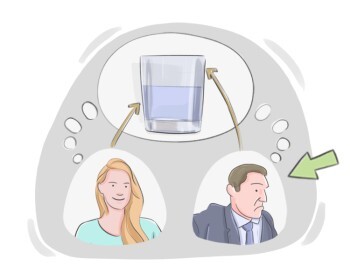
disgruntled
disgruntled
[형용사]

feeling dissatisfied, often due to a sense of unfair treatment or disappointment

불만족스러운, 실망한

불만족스러운, 실망한

Ex: The disgruntled residents protested against the new housing development in their neighborhood. 

불만을 품은 주민들은 그들의 동네에 새로운 주택 개발에 대해 시위를 벌였다.
닫기
로그인
pessimistic
pessimistic
[형용사]

having or showing a negative view of the future and always waiting for something bad to happen

비관적인, 부정적인

비관적인, 부정적인

Ex: He had a pessimistic view of the economy, believing that a recession was imminent. 

그는 경제에 대해 비관적인 견해를 가지고 있었고, 경기 침체가 임박했다고 믿었다.

닫기
로그인
to mistrust
to mistrust
[동사]

to have doubts, reservations, or uncertainties about relying on someone or something

불신하다, 의심하다

불신하다, 의심하다

Ex: He is mistrusting his instincts lately and second-guessing all of his decisions. 

그는 최근 자신의 본능을 불신하고 모든 결정을 재고하고 있습니다.

닫기
로그인
to belittle
to belittle
[동사]

to speak or express derogatory remarks about someone

깔보다, 경시하다

깔보다, 경시하다

Ex: The teacher belittled students who struggled with the material last semester. 

선생님은 지난 학기 자료로 고생한 학생들을 깔봤다.

닫기
로그인
to patronize
to patronize
[동사]

to speak or behave in a way that implies that one is more knowledgeable, experienced, or intelligent than the other person

깔보며 대하다, 후원하다

깔보며 대하다, 후원하다

Ex: The salesperson was patronizing the customer, making them feel inferior and inadequate. 

판매원이 고객을 깔보는 태도로 대했고, 그들로 하여금 열등감과 부족함을 느끼게 했다.

닫기
로그인
to snicker
to snicker
[동사]

to laugh quietly in a sneaky or mocking way

킬킬 웃다, 숨김없이 웃다

킬킬 웃다, 숨김없이 웃다

Ex: The group of friends snickered at the inside joke they shared. 

친구 그룹은 그들이 공유한 내부 농담에 낄낄거렸다.

닫기
로그인
to mock
to mock
[동사]

to ridicule someone or something in a disrespectful manner

조롱하다, 비웃다

조롱하다, 비웃다

Ex: His friends would mock him for being overly cautious, not realizing it was due to past experiences. 

그의 친구들은 그가 지나치게 조심스러운 것을 조롱했지만, 그것이 과거의 경험 때문이라는 것을 깨닫지 못했다.

닫기
로그인
to scoff
to scoff
[동사]

to mock with contempt

비웃다, 조롱하다

비웃다, 조롱하다

Ex: They scoffed at his attempt to sing. 

그들은 그의 노래하려는 시도를비웃었다.

닫기
로그인
to scowl
to scowl
[동사]

to frown in a sullen or angry way

눈살을 찌푸리다, 성난 표정으로 보다

눈살을 찌푸리다, 성난 표정으로 보다

Ex: The teacher scowled in disapproval. 

선생님이 불만스럽게 인상을 썼다.

닫기
로그인
haughtily
haughtily
[부사]

in a manner that shows arrogant superiority toward others

오만하게, 거만하게

오만하게, 거만하게

Ex: He spoke haughtily to his coworkers, as if he were the only one capable of understanding the project. 

그는 동료들에게 거만하게 말했는데, 마치 그가 프로젝트를 이해할 수 있는 유일한 사람인 것처럼.

닫기
로그인
blatantly
blatantly
[부사]

in an open and unashamed way, especially when violating rules or norms

뻔뻔스럽게, 노골적으로

뻔뻔스럽게, 노골적으로

Ex: She blatantly cut in line without acknowledging anyone. 

그녀는 아무에게도 인사하지 않고 노골적으로 줄을 잘랐다.

닫기
로그인
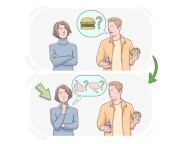
pretentiously

in a manner that tries to impress by pretending to have more importance, talent, or culture than is actually possessed

거만하게, 과시적으로

거만하게, 과시적으로

Ex: The critic wrote pretentiously, using obscure vocabulary to seem more knowledgeable. 

비평가는 더 많이 아는 것처럼 보이기 위해 모호한 어휘를 사용하며 잘난 체하며 글을 썼다.
닫기
로그인
hesitant
hesitant
[형용사]

uncertain or reluctant to act or speak, often due to doubt or indecision

주저하는, 망설이는

주저하는, 망설이는

Ex: The hesitant driver cautiously approached the intersection, unsure of the right of way. 

주저하는 운전자는 누가 먼저 가야 할지 확신하지 못하고 교차로에 조심스럽게 접근했다.

닫기
로그인
offhand
offhand
[부사]

In a dismissive or indifferent manner

무심코, 무관심하게

무심코, 무관심하게

Ex: He brushed off the suggestion offhand, without giving it any serious thought. 

그는 제안을 생각 없이 무시했고, 진지하게 고려하지 않았다.

닫기
로그인
outspoken
outspoken
[형용사]

freely expressing one's opinions or ideas without holding back

솔직한, 거리낌 없는

솔직한, 거리낌 없는

Ex: His outspoken criticism of the government policies sparked debates among policymakers and citizens alike. 

정부 정책에 대한 그의 솔직한 비판은 정책 입안자와 시민들 사이에서 논쟁을 일으켰다.

닫기
로그인
forthright
forthright
[형용사]

(of a person) straightforward in expressing thoughts or opinions

솔직한, 직접적인

솔직한, 직접적인

Ex: She appreciated his forthright approach to the situation. 

그녀는 그 상황에 대한 그의 솔직한 접근 방식을 높이 평가했다.

닫기
로그인
blunt
blunt
[형용사]

having a plain and sometimes harsh way of expressing thoughts or opinions

직설적인, 직접적인

직설적인, 직접적인

Ex: The politician's blunt response to the reporter's question revealed a lack of diplomacy. 

기자의 질문에 대한 정치인의 직설적인 답변은 외교의 부족을 드러냈다.

닫기
로그인
candid
candid
[형용사]

open and direct about one's true feelings or intentions

솔직한, 진실된

솔직한, 진실된

Ex: Being candid about his intentions from the start helped build trust in their relationship. 

처음부터 그의 의도에 대해 솔직한 것이 그들의 관계에서 신뢰를 쌓는 데 도움이 되었습니다.

닫기
로그인
willful
willful
[형용사]

stubbornly disregarding rules, advice, or the wishes of others

고집 센, 완고한

고집 센, 완고한

Ex: He remained willful, insisting on his own methods despite his team's objections. 

그는 팀의 반대에도 불구하고 자신의 방법을 고집하며 고집스러운 상태로 남아 있었다.
닫기
로그인
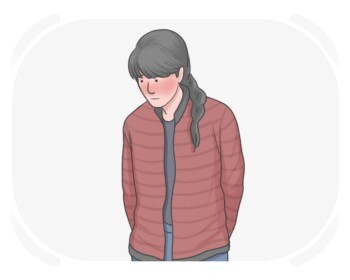
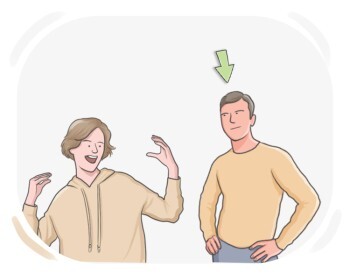
bashful
bashful
[형용사]

shy or timid, especially in social situations, often accompanied by a reluctance to draw attention to oneself

수줍은, 부끄러운

수줍은, 부끄러운

Ex: He became bashful whenever someone complimented his artwork, blushing and looking away. 

누군가 그의 예술 작품을 칭찬할 때마다 그는 수줍음을 타며, 얼굴을 붉히고 다른 쪽을 바라보았다.
닫기
로그인
solemn
solemn
[형용사]

reflecting deep sincerity or a lack of humor

엄숙한, 진지한

엄숙한, 진지한

Ex: The mood in the room turned solemn as they remembered their late friend. 

그들이 죽은 친구를 기억하면서 방의 분위기가 엄숙해졌다.

닫기
로그인
objective
objective
[형용사]

based only on facts and not influenced by personal feelings or judgments

객관적인, 공정한

객관적인, 공정한

Ex: A good judge must remain objective in every case. 

좋은 판사는 모든 사건에서 객관적이어야 합니다.

닫기
로그인
matter-of-fact
matter-of-fact
[형용사]

presenting information in a straightforward, unemotional, and practical manner

실제적인, 직접적인

실제적인, 직접적인

Ex: Her matter-of-fact response to the surprising news made it seem less dramatic than it was. 

놀라운 소식에 대한 그녀의 사실적인 반응은 그것이 실제보다 덜 극적으로 보이게 했다.

닫기
로그인
timid
timid
[형용사]

lacking confidence or courage

소심한, 겁 많은

소심한, 겁 많은

Ex: His timid demeanor made it difficult for him to ask for help when he needed it. 

그의 소심한 태도는 필요할 때 도움을 요청하기 어렵게 만들었다.

닫기
로그인
detached
detached
[형용사]

lacking interest or emotional involvement

초연한, 무관심한

초연한, 무관심한

Ex: His detached reaction to the news of his promotion suggested he was not particularly thrilled. 

그의 승진 소식에 대한 냉담한 반응은 그가 특별히 기뻐하지 않는다는 것을 암시했다.

닫기
로그인
stern
stern
[형용사]

serious and strict in manner or attitude, often showing disapproval or authority

엄격한, 심각한

엄격한, 심각한

Ex: The stern judge delivered a harsh sentence to the defendant, emphasizing the severity of the crime. 

엄격한 판사는 범죄의 심각성을 강조하며 피고인에게 가혹한 판결을 내렸다.

닫기
로그인
LanGeek
LanGeek 앱 다운로드