
Letramento para o Exame ACT - Atitudes Negativas e Neutras
Aprenda vocabulário ACT para atitudes negativas e neutras, incluindo dúvida, indiferença, relutância, crítica, suspeita, distanciamento e falta de entusiasmo.
Revisar
Flashcards
formas
Ortografia
Quiz

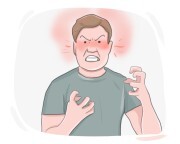
a feeling of anger or annoyance aroused by something unjust, unworthy, or mean
indignação, raiva
Ela sentiu uma onda de indignação quando ouviu a crítica injusta.

a doubting or questioning attitude towards ideas, beliefs, or claims that are generally accepted
ceticismo
A proposta foi recebida com ceticismo pelo conselho, que questionou sua viabilidade.
a doubtful view toward others' honesty or intentions
cinismo, ceticismo
Enquanto alguns veem o cinismo como um mecanismo de proteção contra decepção e decepção, outros argumentam que ele pode fomentar a negatividade e inibir a conexão e cooperação genuínas.
a feeling of self-satisfaction or contentment, often accompanied by a lack of awareness of potential dangers
complacência, satisfação consigo mesmo
A complacência surgiu após anos de crescimento estável, e o negócio não conseguiu inovar.
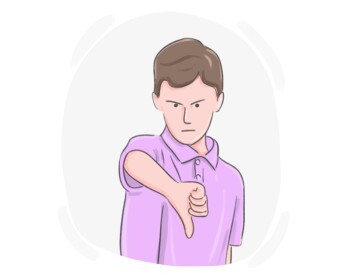
a strong feeling or attitude of dislike and lack of respect for someone or something considered unworthy
desprezo, desdém
the feeling that someone or something is not worthy of respect or consideration
desdém, desprezo
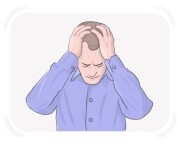
a lasting feeling of anger or bitterness because of unfair treatment
ressentimento, rancor
O ressentimento profundo pela decisão continuou a moldar a resposta da comunidade.
an intense enthusiasm or obsession for something, often to an excessive or uncontrollable degree
mania, paixão
A mania do autor por escrever o levou a publicar vários livros em um curto espaço de tempo.

behaving without shame or fear and refusing to follow traditional rules or manners
descarado, insolente
A campanha publicitária descarada da empresa ultrapassou limites ao abordar temas tabus para chamar a atenção.
having a sullen, gloomy, or pessimistic disposition
mal-humorado, sombrio
A música sombria tocando ao fundo aumentou o tom sombrio do filme.
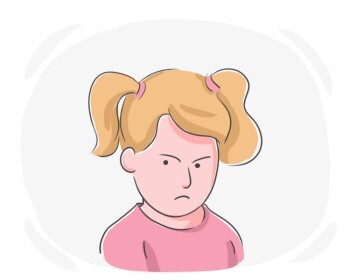
bad-tempered, gloomy, and usually silent
rabugento, sombrio
Seu comportamento sombrio deixou claro que ele não estava feliz com a decisão, mas ele não disse nada.
prone to unpredicted and sudden changes
volúvel, instável
O relacionamento deles foi tensionado por sua atitude volúvel e explosões frequentes.
showing a lack of confidence or courage in an awkward way
tímido, envergonhado
O estudante tímido deu um aceno vergonhoso quando o professor perguntou se ele precisava de ajuda.
in a manner that shows acceptance of something undesirable or unavoidable without protest
resignadamente, com resignação
Ela assistiu resignada enquanto a chuva arruinava seu evento ao ar livre, aceitando que não havia nada que ela pudesse fazer sobre isso.
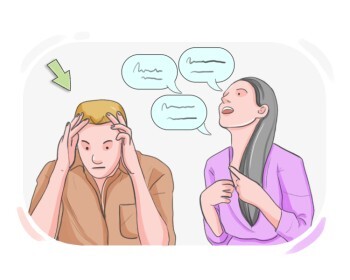
(of a person) unwilling to talk to other people or participate in social events
retraído, reservado
Após o término, ela ficou retraída e evitou encontros sociais por um tempo.
having a tendency or inclination toward something
propenso, inclinado
Sem manutenção regular, os carros velhos são propensos a falhas mecânicas.
having a natural tendency toward something
propenso, inclinado
Ele é propenso a assumir papéis de liderança, dada a sua personalidade confiante e assertiva.
a general lack of interest, concern, or enthusiasm toward things in life
apatia, indiferença
Abordar o problema da apatia dos eleitores tornou-se uma prioridade para a campanha, visando aumentar o engajamento cívico e a participação.
a tendency to keep one's thoughts, feelings, and personal affairs to oneself
reserva
the usual attitude of a person in any given circumstance
disposição, temperamento
in a manner that shows no emotion, feeling, or reaction
impassivelmente, sem emoção
O soldado permaneceu impassivelmente em atenção, imperturbável pelo barulho e atividade ao seu redor.
characterized by unchecked, aggressive, or uncontrollable behavior
desenfreado, incontrolável
A internet permitiu que a desinformação permanecesse desenfreada.
stating the opposite of what one means to criticize, insult, mock, or make a joke
sarcástico, irônico
Ele não conseguiu resistir a fazer um comentário sarcástico sobre sua roupa, apesar de saber que isso magoaria seus sentimentos.
displaying an attitude of superiority toward those perceived as inferior, often due to social status, wealth, or education
esnobe, altivo
Seu comportamento esnobe o afastou de seus colegas, que achavam seu complexo de superioridade irritante.
having a negative or belittling connotation
pejorativo, depreciativo
Ela revirou os olhos para o apelido pejorativo que lhe deram.

feeling dissatisfied, often due to a sense of unfair treatment or disappointment
descontente, frustrado
Os passageiros descontentes reclamaram do voo atrasado e da falta de comunicação da equipe da companhia aérea.
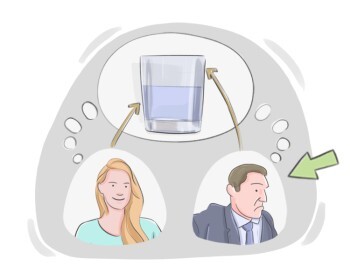
having or showing a negative view of the future and always waiting for something bad to happen
pessimista, negativista
O tom pessimista de sua escrita refletia a perspectiva sombria do autor sobre a vida.
to have doubts, reservations, or uncertainties about relying on someone or something
desconfiar, não confiar
Ele está desconfiando de seus instintos ultimamente e questionando todas as suas decisões.
to speak or express derogatory remarks about someone
menosprezar, desdenhar
Se o erro acontecer novamente, o gerente provavelmente menosprezará o funcionário.
to speak or behave in a way that implies that one is more knowledgeable, experienced, or intelligent than the other person
tratar com condescendência, patrocinar
O vendedor estava tratando com condescendência o cliente, fazendo-o se sentir inferior e inadequado.
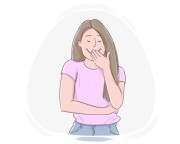
to laugh quietly in a sneaky or mocking way
rir disfarçadamente, dar uma risadinha
Enquanto assistiam à dança desajeitada, alguns membros da plateia começaram a rir disfarçadamente.
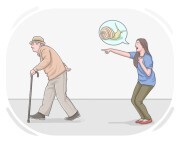
to ridicule someone or something in a disrespectful manner
zombar, ridicularizar
A multidão zombou do seu discurso nervoso.
to mock with contempt
zombar, escarnecer
Os críticos zombaram da nova invenção.
to frown in a sullen or angry way
franzir a testa, olhar com cara feia
Ela franziu a testa, deixando seus sentimentos claros sem uma palavra.
in a manner that shows arrogant superiority toward others
altivamente, com arrogância
O aristocrata olhou altivamente para os plebeus, convencido de sua própria importância.
in an open and unashamed way, especially when violating rules or norms
descaradamente, flagrantemente
Ele descaradamente plagiou grandes partes do artigo.
in a manner that tries to impress by pretending to have more importance, talent, or culture than is actually possessed
pretensiosamente, de maneira pretensiosa
Sua explicação pretensiosamente longa e complexa só confundiu ainda mais o público.
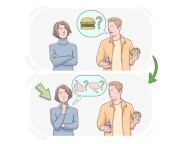
uncertain or reluctant to act or speak, often due to doubt or indecision
hesitante, indeciso
O ator estava hesitante em assumir o papel emocionalmente exigente na peça.
In a dismissive or indifferent manner
desdenhosamente, com indiferença
Ele mencionou o erro de improviso, sem reconhecer o impacto que teve no projeto.
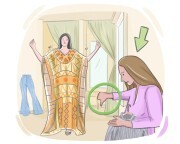
freely expressing one's opinions or ideas without holding back
franco, direto
O jornalista franco expôs sem medo a corrupção e os erros, independentemente dos riscos.
(of a person) straightforward in expressing thoughts or opinions
franco, direto
A sua maneira franca pode às vezes ser brusca, mas é sempre honesta.
having a plain and sometimes harsh way of expressing thoughts or opinions
direto, sincero
A crítica direta do professor sobre o desempenho do aluno foi desmoralizante.
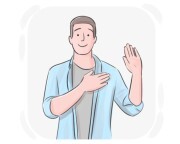
open and direct about one's true feelings or intentions
franco, sincero
Apesar do desconforto, ela decidiu ser sincera sobre suas preocupações durante a reunião.
stubbornly disregarding rules, advice, or the wishes of others
teimoso, obstinado
A adolescente teimosa recusou-se a seguir o código de vestuário da escola, vestindo o que quisesse.
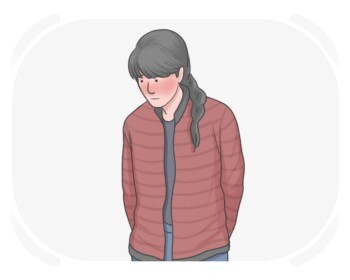
shy or timid, especially in social situations, often accompanied by a reluctance to draw attention to oneself
tímido, reservado
Embora ele gostasse dela, sua natureza tímida o impedia de convidá-la para sair.
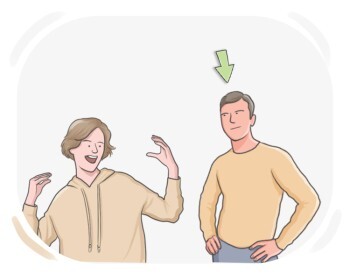
reflecting deep sincerity or a lack of humor
solene, grave
Os votos solenes trocados no casamento refletiam o profundo compromisso um com o outro.
based only on facts and not influenced by personal feelings or judgments
objetivo, imparcial
presenting information in a straightforward, unemotional, and practical manner
prático, direto
O tom objetivo do policial tranquilizou as testemunhas durante a investigação.
lacking confidence or courage
tímido, medroso
A criança tímida agarrou-se à perna dos pais, sentindo-se sobrecarregada na sala lotada.
lacking interest or emotional involvement
desapegado, indiferente
A atitude desapegada do protagonista em relação aos seus relacionamentos destacou sua luta com a conexão emocional.
serious and strict in manner or attitude, often showing disapproval or authority
severo, rígido
Ela manteve uma expressão severa ao se dirigir à equipe sobre suas responsabilidades.
