
Książka Insight - Średnio zaawansowany - Wgląd w Słownictwo 8
Tutaj znajdziesz słowa z Vocabulary Insight 8 w podręczniku Insight Intermediate, takie jak "rush off", "at a loose end", "glamour" itp.
Przegląd
Fiszki
formy
Pisownia
Test

![to [stand] on {one's} own (two|) feet](https://cdn.langeek.co/photo/41700/thumb/350?type=jpeg "to [stand] on {one's} own (two|) feet")
to be able to take care of oneself without needing any assistance from others

stanąć na własnych nogach, być samodzielnym
Przestań rozwiązywać za niego każdy problem; musi stanąć na własnych nogach.
![to [put] {one's} foot up](/assets/img/no-pic-700w.png "to [put] {one's} foot up")
to elevate one's foot in order to rest or relax
![to [put] {one's} foot down](https://cdn.langeek.co/photo/42188/thumb/350?type=jpeg "to [put] {one's} foot down")
to firmly take control and enforce a specific action
postawić sprawę jasno, stanowczo zareagować
Szkoła stanowczo zareagowała na nękanie i zawiesiła zaangażowanych uczniów.
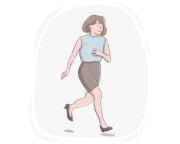
to leave quickly or abruptly, often because of an urgent or unexpected situation
szybko wyjść, nagle wyjść z powodu pilnej sytuacji
Zdał sobie sprawę, że musi szybko wyjść, gdy zobaczył nadchodzącą burzę.
![to [land] on {one's} feet](https://cdn.langeek.co/photo/40445/thumb/350?type=jpeg "to [land] on {one's} feet")
to experience success or good fortune, particularly after a period of facing challenges or setbacks
wyjść z tego obronną ręką, dobrze wyjść z kłopotów
Mimo rozstania wyszła z tego obronną ręką i zaczęła nowe życie.
![to [get|start] off on the wrong foot](https://cdn.langeek.co/photo/40189/thumb/350?type=jpeg "to [get|start] off on the wrong foot")
to have an unsuccessful or unpleasant beginning in a relationship or activity
zacząć od złej strony, źle zacząć
Tym razem nie zaczynajmy źle.
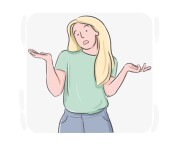
used to describe someone who has no plans or obligations, often feeling uncertain about how to spend their time
![to [make] (both|) ends meet](https://cdn.langeek.co/photo/41760/thumb/350?type=jpeg "to [make] (both|) ends meet")
to make enough money to pay for one's basic needs
wiązać koniec z końcem, starczać na podstawy
Jego emerytura jest mała, ale jakoś wiąże koniec z końcem.
to reach the conclusion or final stage of something, often after a period of time
used to refer to the conclusion or outcome of a situation or event
ostatecznie, w końcu
Konkurencja była trudna, ale ostatecznie wyszła zwycięsko.
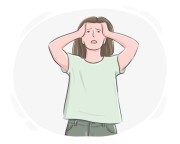
unable to cope with anything due to a lack of energy or patience
to engage in activities or behavior aimed at resolving or improving a situation involving someone or something
radzić sobie, zajmować się
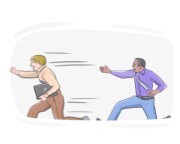
to leave somewhere with something that one does not own
uciec z cudzą rzeczą, zabrać cudzą rzecz i uciec
Złośliwe dzieci uciekły ze sklepu z cukierkami bez zapłaty.
![to [fall] on {one's} feet](https://cdn.langeek.co/photo/40391/thumb/350?type=jpeg "to [fall] on {one's} feet")
to find oneself in good condition after surviving a difficult experience
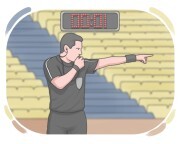
to begin to act, happen, etc. in a particular manner
zacząć się w określony sposób, rozpocząć coś w określony sposób
Spotkanie rozpocznie się krótkim wprowadzeniem przewodniczącego.
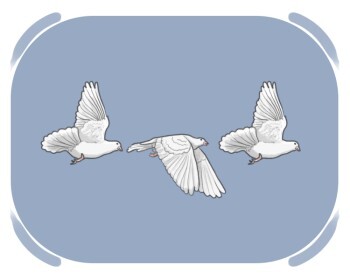

the exciting and attractive quality of a person, place, etc. that makes them desirable
glamour, urok
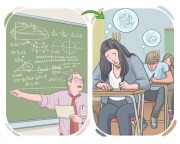
to invite someone to compete or strongly suggest they should do something, often to test their abilities or encourage action
wyzywać, zapraszać do rywalizacji

a feeling of anxiety and worry caused by different life problems
stres, napięcie
the act of doing or performing something again
powtórzenie
to make changes to or modify something, making it slightly different
zmieniać, modyfikować
![to [have] (a lot|too much) on {one's} plate](https://cdn.langeek.co/photo/19622/thumb/multitask/350?type=jpeg "to [have] (a lot|too much) on {one's} plate")
to have a certain amount of tasks or problems that need to be dealt with
mieć dużo na głowie, mieć za dużo spraw do ogarnięcia
Nie zawracaj mu teraz głowy; ma dużo na głowie.
![to [rise] to the (occasion|challenge)](https://cdn.langeek.co/photo/43080/thumb/350?type=jpeg "to [rise] to the (occasion|challenge)")
to demonstrate one's ability in surpassing obstacles and dealing with difficult situations
stanąć na wysokości zadania, sprostać wyzwaniu
Na początku była zdenerwowana, ale podczas rozmowy stanęła na wysokości zadania.
![[show|teach] {sb} the ropes](https://cdn.langeek.co/photo/42510/thumb/350?type=jpeg "[show|teach] {sb} the ropes")
to show or teach someone how a particular job or task is done
wprowadzić kogoś w obowiązki, pokazać, jak to działa
Tom pokaże ci, jak to działa, gdy menedżera nie będzie.
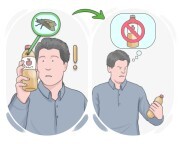
to refuse to buy, use, or participate in something as a way to show disapproval or to try to bring about a change
bojkotować, uczestniczyć w bojkocie
Studenci planowali bojkotować zajęcia, aby zwrócić uwagę na potrzebę reform edukacyjnych.
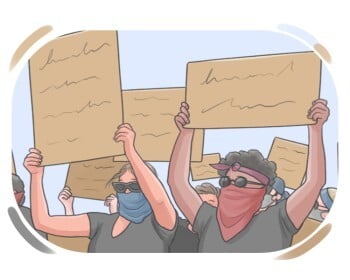
a display of support for or protest against something or someone by a march or public meeting
demonstracja
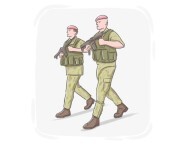
to walk firmly with regular steps
maszerować, kroczyć

to put a great deal of effort to overcome difficulties or achieve a goal
walczyć, starać się
having a significant purpose or importance
znaczący, pełen znaczenia
Jego znaczące przeprosiny wykazały szczerą skruchę za swoje czyny.

something that poses danger or the possibility of harm
zagrożenie, niebezpieczeństwo
