
Kniha Insight - Středně pokročilý - Pohled na Slovní Zásobu 8
Zde najdete slova z Vocabulary Insight 8 v učebnici Insight Intermediate, jako "rush off", "at a loose end", "glamour" atd.
Revize
Kartičky
tvary
Pravopis
Kvíz

![to [stand] on {one's} own (two|) feet](https://cdn.langeek.co/photo/41700/thumb/350?type=jpeg "to [stand] on {one's} own (two|) feet")
to be able to take care of oneself without needing any assistance from others

postavit se na vlastní nohy, být soběstačný
Jakmile získáš stálou práci, budeš stát na vlastních nohou.
![to [put] {one's} foot up](/assets/img/no-pic-700w.png "to [put] {one's} foot up")
to elevate one's foot in order to rest or relax
![to [put] {one's} foot down](https://cdn.langeek.co/photo/42188/thumb/350?type=jpeg "to [put] {one's} foot down")
to firmly take control and enforce a specific action
rázně zakročit, dupnout si
Musel jsem rázně zakročit a říct týmu, že termín už znovu měnit nebudeme.

to leave quickly or abruptly, often because of an urgent or unexpected situation
narychlo odejít, náhle odejít kvůli naléhavé situaci
Možná budu muset pospíchat pryč z práce, pokud mi zavolá škola mého dítěte s problémem.
![to [land] on {one's} feet](https://cdn.langeek.co/photo/40445/thumb/350?type=jpeg "to [land] on {one's} feet")
to experience success or good fortune, particularly after a period of facing challenges or setbacks
dobře z toho vyjít, dopadnout dobře
Myslel si, že ho neúspěch zničí, ale dobře z toho vyšel.
![to [get|start] off on the wrong foot](https://cdn.langeek.co/photo/40189/thumb/350?type=jpeg "to [get|start] off on the wrong foot")
to have an unsuccessful or unpleasant beginning in a relationship or activity
začít špatně, nevykročit dobře
Jejich první setkání nezačalo dobře.

used to describe someone who has no plans or obligations, often feeling uncertain about how to spend their time
![to [make] (both|) ends meet](https://cdn.langeek.co/photo/41760/thumb/350?type=jpeg "to [make] (both|) ends meet")
to make enough money to pay for one's basic needs
vyjít s penězi, utáhnout základní výdaje
Přestěhovali se do levnějšího bytu, aby vyšli s penězi.
to reach the conclusion or final stage of something, often after a period of time
used to refer to the conclusion or outcome of a situation or event
nakonec, koneckonců
Zpočátku měl pochybnosti, ale nakonec důvěřoval svým instinktům.

unable to cope with anything due to a lack of energy or patience
to engage in activities or behavior aimed at resolving or improving a situation involving someone or something
vypořádat se, zabývat se
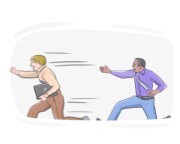
to leave somewhere with something that one does not own
utéct s něčím co mu nepatří, sebrat cizí věc a utéct
Neposedné děti utekly s bonbóny z obchodu, aniž by zaplatily.
![to [fall] on {one's} feet](https://cdn.langeek.co/photo/40391/thumb/350?type=jpeg "to [fall] on {one's} feet")
to find oneself in good condition after surviving a difficult experience
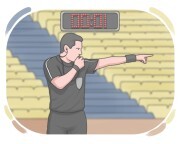
to begin to act, happen, etc. in a particular manner
začít určitým způsobem, zahájit něco určitým způsobem
Kniha začíná tajemným prologem, který nastavuje tón příběhu.

the exciting and attractive quality of a person, place, etc. that makes them desirable
glamour, půvab

to invite someone to compete or strongly suggest they should do something, often to test their abilities or encourage action
vyzvat, pobízet k akci

a feeling of anxiety and worry caused by different life problems
stres, napětí
the act of doing or performing something again
opakování
to make changes to or modify something, making it slightly different
měnit, upravovat
![to [have] (a lot|too much) on {one's} plate](https://cdn.langeek.co/photo/19622/thumb/multitask/350?type=jpeg "to [have] (a lot|too much) on {one's} plate")
to have a certain amount of tasks or problems that need to be dealt with
mít toho hodně, mít hodně na talíři
S blížícím se stěhováním toho mají až příliš.
![to [rise] to the (occasion|challenge)](https://cdn.langeek.co/photo/43080/thumb/350?type=jpeg "to [rise] to the (occasion|challenge)")
to demonstrate one's ability in surpassing obstacles and dealing with difficult situations
obstát v těžké chvíli, zvládnout výzvu
Celý tým výzvu zvládl a projekt dokončil včas.
![[show|teach] {sb} the ropes](https://cdn.langeek.co/photo/42510/thumb/350?type=jpeg "[show|teach] {sb} the ropes")
to show or teach someone how a particular job or task is done
zasvětit někoho do práce, ukázat někomu, jak to chodí
Teď už nepotřebuje moc dohled; minulý týden jsme ji zasvětili do práce.
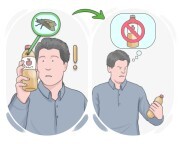
to refuse to buy, use, or participate in something as a way to show disapproval or to try to bring about a change
bojkotovat, zúčastnit se bojkotu
Škola bojkotovala zkoušku kvůli nespravedlivým klasifikačním politikám.
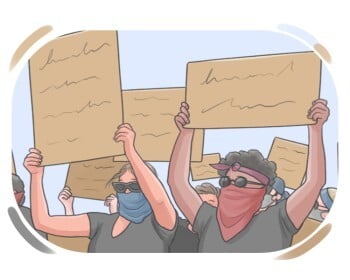
a display of support for or protest against something or someone by a march or public meeting
demonstrace
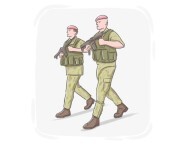
to walk firmly with regular steps
pochodovat, kráčet

to put a great deal of effort to overcome difficulties or achieve a goal
bojovat, usilovat
having a significant purpose or importance
významný, naplněný významem
Workshop poskytl účastníkům významné poznatky o efektivní komunikaci.

something that poses danger or the possibility of harm
hrozba, nebezpečí
